
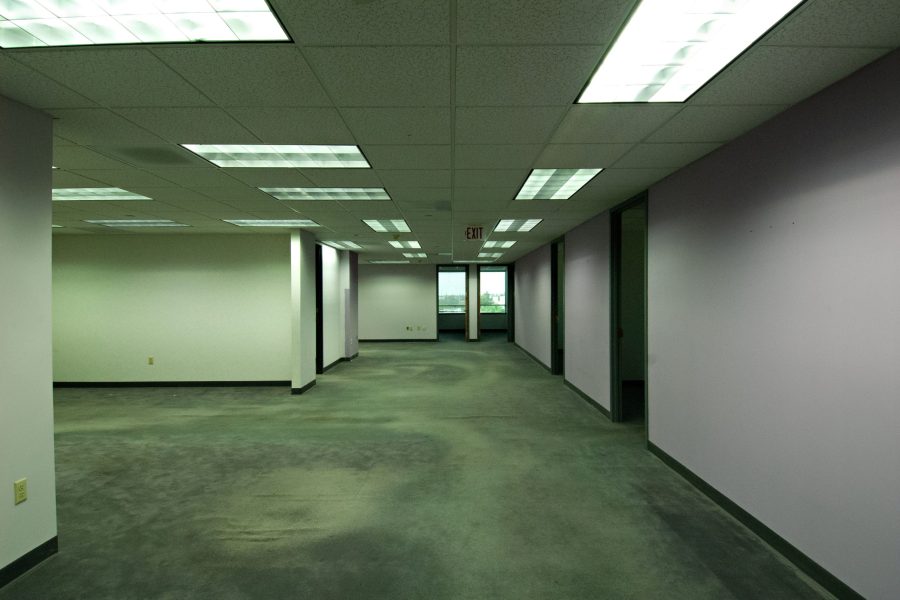
Commercial carpets do more than cushion footsteps. In Metro Vancouver offices, strata lobbies, clinics, and retail spaces, they silently collect dust, allergens, bacteria, and volatile organic compounds-then release them back into the air your staff and tenants breathe. This article explains how a well-planned cleaning carpet service can turn your facility's carpets from an indoor air quality liability into an asset.
Key Takeaways
- Commercial carpet cleaning in Vancouver can significantly reduce airborne particles, allergens, and VOCs in offices and facilities.
- Carpets act as both filters and sources of indoor pollutants, so a planned carpet cleaning process is essential for cleaner air and occupant health.
- Evidence-based cleaning methods like hot water extraction can remove 50% or more of debris, dirt, bacteria, and allergens when done correctly.
- Facility and property managers should align carpet cleaning appointments with HVAC and ventilation strategies to maximize indoor air quality benefits.
- This article focuses on commercial environments in Metro Vancouver-offices, strata common areas, retail, medical, and educational facilities-not residential homes.
Why Indoor Air Quality Should Matter to Vancouver Businesses in 2026
Vancouver's damp coastal climate, long heating seasons, and dense office environments create elevated air quality risks indoors. Moisture promotes mould, and fine particulate matter from busy corridors like Georgia Street and Broadway enters buildings constantly. Since 2020, post-COVID expectations from staff and tenants have raised the bar: people want visibly clean, healthy workplaces in downtown Vancouver, Burnaby, Richmond, and Surrey.
Poor indoor air quality is directly tied to increased absenteeism, reduced cognitive performance, and lower tenant retention, concerns that hit office managers and property managers where it counts. Carpets trap dust and airborne irritants over time, and without intervention, those pollutants cycle back into the breathing zone. This is not just true of carpets but of elements like the type of cleaning products used throughout a given space, all of which can contribute to sick building syndrome. A proactive approach to cleaning carpets supports productivity, risk management, and brand image.
How Commercial Carpets Interact with Indoor Air
Carpets cover roughly 50% of flooring in many North American buildings, according to Harvard research, and similar patterns hold across Canadian offices. They function as three-dimensional filters: the pile, backing, adhesive layers, and underlay capture soil, skin flakes, pollen, soot, and debris tracked in on shoes.
Without regular carpet cleaning services, these layers become long-term pollutant reservoirs. Grime and dirt build up not just on the surface but deep into the carpet fibres and backing. Most carpets in commercial settings-whether low-pile modular tiles or older broadloom-accumulate contaminants that degrade air quality over months.
The age and type of carpet matters. Worn or damaged carpet releases more dust and harbours mould after moisture events, making it less responsive to routine cleaning.
Carpets, VOCs, and Chemical Emissions
Volatile organic compounds enter commercial spaces from cleaning products, printers, furniture off-gassing, and vehicle exhaust along major Vancouver routes. Carpets act as powerful absorption sites, temporarily reducing peak indoor VOC concentrations but re-emitting them over prolonged periods. Pile fibres, backing, and adhesives all contribute to this cycle, and fluctuations in temperature and humidity during Vancouver's shoulder seasons intensify the effect.
Reactions with ozone can cause carpets to generate new VOCs such as aldehydes, meaning poorly maintained carpet becomes a continuing source of indoor pollutants. Carpet cleaning professionals using low-residue, eco-friendly products and proper rinsing can reduce VOC loads. Conversely, harsh or heavily fragranced chemicals make air quality worse-cleaning should effectively remove residues that attract additional soil, not add new chemical burdens.
Dust, Allergens, and Microbes in Commercial Carpets
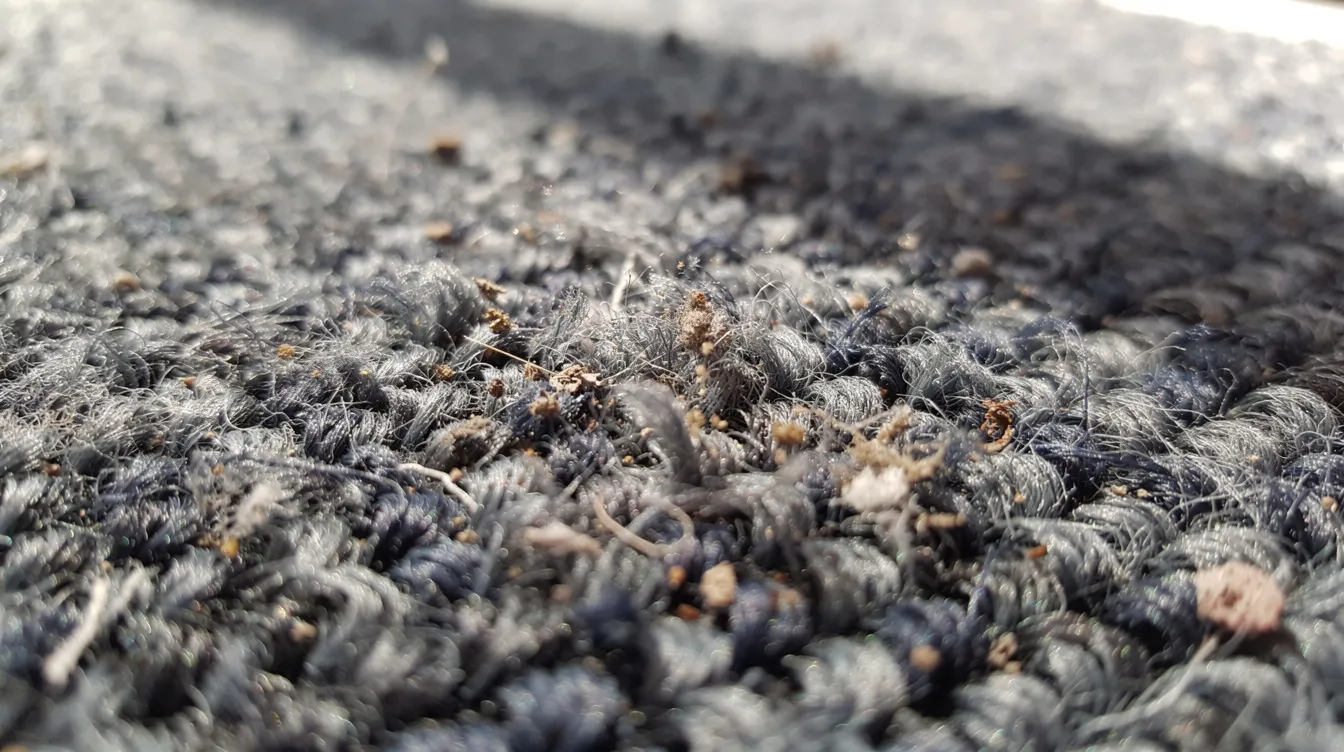
Office and facility carpets collect fine outdoor dust, toner particles, food crumbs, pollen, mould spores, and bacteria. Common workplace allergens include dust mites, pet dander carried on clothing from household environments with pets, and mould fragments, all of which contribute to respiratory symptoms. Steam cleaning effectively removes dust mites, allergens, and bacteria from carpets, and professional cleaning can remove allergens trapped in carpet fibres.
Deeper carpet layers, especially in high-traffic areas like commercial corridors and lobby zones, can harbour microbial growth if spills or moisture events are not properly addressed. Carpet cleaning can eliminate pet odours and urine stains effectively, even in workplaces where service animals or visiting pets are present. In medical clinics, schools, and daycare centres across Vancouver, carpet hygiene is directly tied to infection control policies and cleaning frequency.
The Science of Particle Resuspension When People Walk
When people walk, roll office chairs, or push carts, energy at the carpet surface sends settled particles back into the air. Research shows that an adult walking across carpet can resuspend 10–100 million particles per minute-a staggering number in a busy downtown Vancouver office tower during the morning rush, a shift change at a Delta industrial facility, or student traffic at UBC.
Clean carpets release fewer particles because there is simply less loose dust and dirt available to be stirred up. Well-planned carpet cleaning services combined with entry mat systems and regular HEPA vacuuming can significantly reduce resuspension peaks throughout the day, delivering noticeably cleaner air for occupants.
Evidence That Professional Carpet Cleaning Improves Indoor Air Quality
A study published in the Journal of Allergy and Clinical Immunology evaluated hot water extraction and found it reduced surface allergens (dust mite, pet dander) by 83–97%, airborne mould by 55%, and surface bacteria by 90%. Professional cleaning removes allergens from carpets, and deep cleaning improves indoor air quality, not just in homes but across commercial spaces with similar or higher contaminant loads.
Key results from the research:
- Surface allergen removal: 83–97%
- Airborne particle reduction (test chambers): 37–78%
- Surface bacteria reduction: ~90%
- Greater removal from upper carpet layers (74–100%) than from the carpet base (15–91%)
Consistent, scheduled commercial carpet cleaning is more effective than occasional reactive cleaning triggered only by visible carpet stains or complaints. Professional carpet cleaning can rid spaces of embedded allergens that routine vacuuming alone cannot reach.
Key Steps in a Commercial Carpet Cleaning Process that Support Cleaner Air
Not every method delivers the same IAQ benefits. The cleaning process and equipment matter. A Vancouver office or facility should expect these phases from a quality service:
- Inspection – Assess carpet type, soil level, stains, and moisture history by zone.
- Dry soil removal – Industrial turbo vacuuming with HEPA-filtered machines removes loosened soil and moisture before wet work begins (this should be performed regularly by your daily or weekly janitorial service).
- Pre-treatment and pre-spray – Targeted spot and stain treatment for tough stains and high-traffic lanes.
- Deep clean – Truck-mounted hot-water extraction or portable hot-water extraction units are common cleaning method that uses high-temperature hot water and steam extraction to extract dirt, allergens, and bacteria from deep within the pile.
- Drying and grooming – Air movers and ventilation ensure carpets are completely dry within 12–24 hours, preventing mould.
Eco-friendly products and thorough rinsing are essential. Stain removal and stain protector or carpet protector applications can be added to extend the time between cleans.
Choosing the Right Carpet Cleaning Methods for IAQ in Commercial Buildings
The best carpet cleaning service for your facility depends on your goals:
| Method | Best For | Drying Time | IAQ Benefit |
|---|---|---|---|
| Hot water extraction / steam cleaning | Deep embedded soil, allergens, bacteria | 4–12 hours | Highest |
| Low-moisture encapsulation | Interim maintenance, routine upkeep | 1–2 hours | Moderate |
| Dry foam cleaning | Fast-turnaround zones | Under 1 hour | Moderate |
| Off-site area rug cleaning | Entry rugs, executive spaces | 1–3 days | High |
Low-moisture cleaning methods are excellent for routine maintenance but are not replacements for deep cleaning. Advanced methods can lead to quicker drying times compared to DIY methods. The dry foam cleaning method uses low moisture for fast drying in spaces that cannot tolerate extended downtime. Facility managers should consult with experienced carpet cleaners to match the method to carpet construction, traffic level, and IAQ goals-whether that means boardrooms, stairwells, or retail floors. Aggressive scrubbing can damage delicate carpet fibres, so the right approach matters. Furniture should be moved prior to any deep clean for best results.
Aligning Carpet Cleaning Schedules with Vancouver's Climate and Building Use
Vancouver's rainy winters, slushy shoulder seasons, and dry, smoky summers each deposit different contaminants. Entry and corridor carpets may need quarterly deep cleaning in high-traffic downtown buildings, while interior offices can follow a 6–12 month cycle. High-traffic areas may need cleaning every 6 months, and carpets should be professionally cleaned every 12 to 18 months at a minimum to prevent damage. Carpets should be cleaned at least once a year regardless of visible soiling.
Strategic timing matters: schedule deep cleaning after the heaviest soiling seasons, late winter and post-summer wildfire periods. Document your carpet cleaning plan as part of the facility's overall IAQ and preventive maintenance program.
Integrating Carpet Cleaning with HVAC and Ventilation Strategies
Carpets, HVAC filtration, and ventilation work as a system. Schedule deep carpet cleaning just before HVAC filter changes so new filters capture any temporarily elevated airborne particles. Increase outdoor air ventilation and run systems at higher fan speeds for several hours after major cleaning appointments to flush residual moisture and vapours.
Coordinate with both carpet cleaners and mechanical contractors to avoid shutting down ventilation during drying time phases. When carpets are professionally cleaned and combined with high-MERV filters and regular duct cleaning, you get a robust IAQ program, not isolated efforts.
Risk Management: Moisture, Mould, and "Sick Carpet" Scenarios
Poor carpet cleaning practices-over-wetting, inadequate extraction, slow drying-can worsen IAQ by encouraging mould and bacterial growth. Improper cleaning can lead to damage, such as fibre degradation or sticky residues that attract more soil.
Warning signs of "sick carpet":
- Persistent musty odours
- Recurring dark patches near walls or furniture
- Staff complaints about headaches or congestion
- Visible wicking stains after cleaning
Vancouver's high ambient humidity makes professional moisture management especially important. Use controlled-moisture methods, powerful extraction equipment, and air movers. Investigate any water intrusion incidents and use restorative cleaning or replacement when IAQ could be compromised.
Developing a Carpet Maintenance Plan Focused on Clean Air
A written plan should include:
- Zone mapping: Identify carpeted areas, traffic levels, and risk zones
- Daily standards: HEPA vacuuming to remove surface dust
- Interim and deep cleaning frequencies: Match to soil level and occupancy
- Roles: In-house janitorial vs. external cleaning services
Routine extraction preserves carpet texture and colour by removing embedded grit. Use measurable indicators-appearance, dust on horizontal surfaces, staff feedback-to adjust over time. Regular cleaning extends the life of carpets significantly, and aligning the plan with WELL or LEED certification goals adds value.
What Vancouver Facility Managers Should Ask Prospective Carpet Cleaners
When sourcing a company for commercial work in Vancouver, Burnaby, Richmond, or the North Shore, ask about:
- Training and certifications (IICRC-certified technicians use non-toxic cleaning methods)
- Commercial project references from similar buildings and customers
- Use of low-VOC eco-friendly products and HEPA-filtered vacuums
- Their carpet cleaning process: pre-inspection, spot treatment, wash method, and drying time protocols
- How they handle heavily soiled traffic lanes and persistent stains
- Scheduling flexibility: after-hours or weekend cleaning appointments to minimize disruption
- Transparent pricing and willingness to provide an accurate quote before the job begins
Cost, Budgeting, and Return on Investment for IAQ-Focused Carpet Cleaning
Carpet cleaning costs vary by room size and condition. In commercial settings, carpet cleaning prices are often based on square footage, with Metro Vancouver rates typically ranging from CAD $0.15–$0.35 per square foot for standard extraction. Professional carpet cleaning typically costs $25 to $70 per room in smaller spaces. For reference, residential benchmarks like three bedrooms, hall, and stairs cleaning starts from $229, while area rug cleaning starts at $110 in Brampton-commercial rates scale with scope and access complexity.
Budget through a lifecycle lens: extending carpet replacement intervals, reducing tenant complaints, and supporting lower absenteeism. Service contracts with fixed frequencies or multi-year agreements lock in pricing while ensuring consistent IAQ benefits. Document outcomes-reduced visible dust, fewer odour complaints, positive employee feedback-to justify investment.
Special Considerations for Area Rug Cleaning in Commercial Spaces
Many Vancouver offices, lobbies, and meeting spaces use area rugs and runners over hardwood floors. These rugs capture outdoor pollutants, moisture, and de-icing residues and require more frequent attention than interior carpet. Area rugs should be cleaned 3–4 times a year in high-traffic entries. Oriental rugs benefit from cleaning every 18–24 months with specialized rug cleaning services to preserve wool fibres and dyes.
High-value rugs in reception areas may benefit from off-site area rug cleaning, where submersion and controlled drying can address deeply embedded soil and odours. Rug cleaning for commercial spaces should be integrated into the overall IAQ plan, not treated as a household afterthought. Ensure rugs are completely dry with non-slip pads before reinstallation.
Communicating Carpet Cleaning and IAQ Improvements to Occupants
Show staff and tenants you are investing in their health. Simple communications-lobby notices, email updates, or intranet posts before and after cleaning-go a long way. Address concerns about chemical odours and access restrictions by explaining how low-VOC products and after-hours scheduling reduce disruptions.
Share results: improved appearance, reduced odours, upholstery cleaning added to the scope, and positive feedback from cleaning audits. Transparent communication supports broader ESG, wellness, and sustainability reporting for organizations across Vancouver and Canada.
Summary: Turning Carpets from IAQ Risk into IAQ Asset
Carpets in commercial buildings can either trap and slowly release pollutants or, when maintained properly, function as part of an effective air quality management system. Evidence-based carpet cleaning processes, combined with smart scheduling, Vancouver-specific planning, and HVAC integration, meaningfully improve what occupants breathe.
Review your current practices. Treat carpet cleaning services not as a cosmetic expense but as a critical component of workplace health, risk management, and tenant satisfaction. As research on carpets, VOCs, and particles evolves, partnering with professional carpet cleaning providers who stay current with best practices gives your facility a measurable edge.
Give us a Ring
As a quality-first commercial cleaning company, Metropolitan doesn’t just want you to be happy with your experience and the cleaning itself; we want to build a long-term relationship that is easy–check out our cleaning services, or reach out!
📞 Call us at 778-565-5435
Frequently Asked Questions About Commercial Carpet Cleaning and Indoor Air Quality
How often should commercial carpets be cleaned to support good indoor air quality?
- High-traffic areas like lobbies and corridors may need quarterly deep cleaning plus frequent interim maintenance.
- General office areas with moderate traffic can be deep cleaned every 6–12 months with daily HEPA vacuuming.
- Facilities with sensitive populations (medical, schools, elder care) may require more frequent cleaning based on IAQ policies.
- Homes with pets should clean carpets every 3–4 months; the same logic applies to commercial spaces welcoming service animals.
Do carpets have to be replaced to improve indoor air quality, or is cleaning enough?
- Thorough professional carpet cleaning can significantly improve IAQ without replacing carpet in most cases.
- Replacement may be necessary when carpets are severely worn, water-damaged, or contaminated with mould that no longer responds to treatment.
- A qualified carpet cleaner or building hygienist can assess whether restoration or removal is more cost-effective from both IAQ and lifecycle perspectives.
Will staff or tenants notice strong chemical smells after commercial carpet cleaning?
- Modern carpet cleaning professionals use low-VOC, low-odour solutions that minimize chemical smells compared to older products.
- Scheduling major work for evenings or weekends allows residual odours and moisture to dissipate before staff return.
- Good ventilation and HVAC operation after cleaning further reduces any remaining scent and supports better drying time outcomes.
How can I tell if a carpet cleaning company really supports better indoor air quality?
- Check for IICRC certification, clear written processes, and use of HEPA-filtered vacuums and controlled-moisture methods.
- Ask for references from other Vancouver commercial clients who can speak to both appearance and perceived air quality improvements after the job.
- Companies willing to discuss IAQ goals, provide transparent pricing, and integrate their work with your HVAC schedule are more likely to deliver real results.
Do we need to close offices or retail spaces during carpet cleaning?
- Many commercial cleaning appointments in Vancouver are done after hours or overnight to avoid disruption to customers and staff.
- Limited spot cleaning or low-moisture methods can sometimes be performed during business hours in small zones if walkways are managed with signage.
- Plan and communicate with occupants to balance business continuity with safe, effective maintenance while surfaces become completely dry.