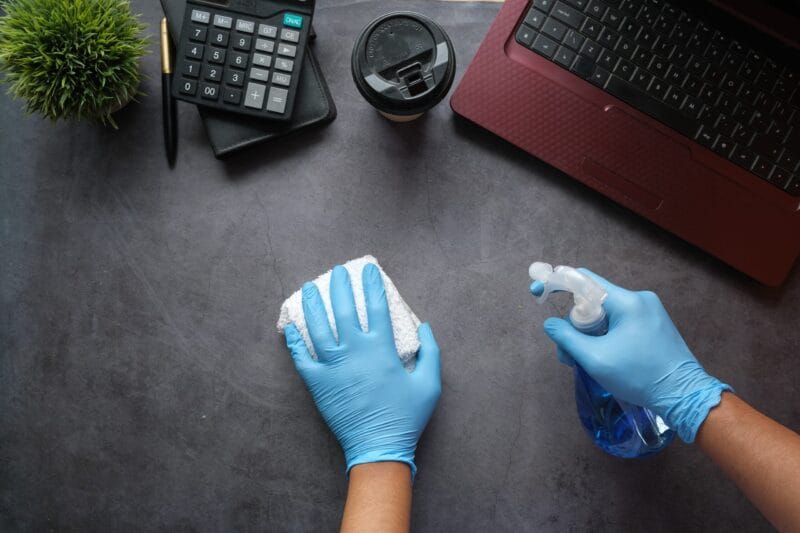
These days, we spend up to 90% of our time indoors, a significant portion of which is in commercial buildings, be it offices, schools, or healthcare facilities.
Without sufficient cleaning, commercial buildings can become breeding grounds for a phenomenon known as Sick Building Syndrome (SBS).
In this blog post, we will delve into what SBS is, its signs, and how commercial cleaning and sanitizing can play a pivotal role in ensuring a safer and healthier indoor environment.
What is Sick Building Syndrome and How Can Green Commercial Cleaning and Sanitizing Help?
Sick Building Syndrome (SBS) refers to a situation in which people experience acute symptoms linked to the conditions of the building in which they spend much of their time.
These symptoms cannot be traced to any specific illness, and they often subside when individuals leave the building.
Although SBS isn't classified as a specific illness, it can cause significant, usually temporary, health problems.
SBS is caused by numerous structural and environmental factors in a building, including:
Inadequate ventilation
Chemical contaminants (often from cleaning or other products containing VOCs)
Biological contaminants (bacteria, moulds, pollen and viruses)
Proper green commercial cleaning and sanitizing are key players in mitigating the effects of Sick Building Syndrome.
Regular cleaning and sanitizing of commercial spaces help in removing and preventing the buildup of chemical and biological contaminants like pollutants, allergens, and pathogens.
As well, opting for or switching to a green cleaning program can eliminate a significant source of chemical contamination.
This, in turn, contributes to better indoor air quality and reduces the risk of health issues associated with SBS.
What are the Signs of Sick Building Syndrome?
Identifying the signs of Sick Building Syndrome is essential for prompt intervention.
These symptoms can vary from person to person, but some common indicators include:
Respiratory Issues: Occupants may experience irritation of the eyes, nose, and throat, as well as coughing, wheezing, and shortness of breath.
Headaches: Frequent headaches or migraines while inside the building can be a sign of SBS.
Fatigue: Unexplained fatigue, even after a full night's sleep, can be attributed to the indoor environment.
Skin Problems: Skin rashes, dryness, or itching may develop as a result of exposure to pollutants.
Nausea and Dizziness: Some individuals may experience nausea, dizziness, or general discomfort while inside the building.
Difficulty Concentrating: Decreased cognitive function and difficulty concentrating are often reported by those affected by SBS.
These symptoms can be mild or severe and may vary in intensity depending on the extent of indoor pollution.
It's crucial to note that while these symptoms can mimic other health conditions, they often improve or disappear when individuals leave the affected building.
How Can You Make Your Commercial Environment Safer for Everyone?
Creating a safer commercial environment requires a multifaceted approach.
Here are some strategies that can help mitigate Sick Building Syndrome:
Proper Ventilation: Adequate ventilation is critical for maintaining good indoor air quality. Ensure that your HVAC systems are well-maintained and provide sufficient fresh air circulation.
Regular Cleaning and Sanitizing: Implement a consistent green cleaning and sanitizing schedule for your commercial space. This helps remove dust, allergens, and pathogens that can contribute to SBS.
Plants: Indoor plants can act as natural air purifiers by absorbing pollutants and increasing oxygen levels. Consider incorporating them into your workspace.
Natural Light: Maximizing natural light in your building can improve mood and well-being among occupants.
Reduce Chemical Use: Minimize the use of harsh cleaning chemicals and opt for eco-friendly alternatives to reduce indoor air pollution.
Educate Occupants: Raise awareness among building occupants about the importance of maintaining a clean and healthy indoor environment.
What is the Difference Between Cleaning, Sanitizing, and Disinfecting?
Understanding the distinction between cleaning, sanitizing, and disinfecting is important when it comes to maintaining a healthy indoor environment.
We may sometimes feel the need to go full tilt to eliminate dirt and bacteria, but this isn’t typically necessary.
Cleaning: Cleaning involves the removal of all foreign material from a surface, including dirt, dust, and debris. It does not necessarily kill germs, but is an essential first step in the process since sanitizing and disinfecting do not actually clean surfaces.
Sanitizing:Sanitizing reduces 99.9% of microorganisms on surfaces, bringing the environment to a safe level, as determined by public health standards. Sanitizing is often used in food preparation areas and on high-touch surfaces.
The hand soap landscape in restrooms and break rooms may be on the verge of change, and it's essential to understand why.
In December 2013, the U.S. Food and Drug Administration (FDA) introduced a proposed rule that could reshape how we perceive and use antibacterial soap.
But what led to this proposal and what are the key concerns surrounding the use of antibacterial soap?
The FDA's Scrutiny of Antibacterial Soap
The FDA's proposed rule seeks to address several key issues regarding antibacterial soap:
Chemical Concerns: Many antibacterial soaps contain triclosan (in liquid forms) or triclocarban (in bar soaps), chemicals associated with potential risks. These risks include bacterial resistance to antibiotics, which can hinder various medical treatments. Additionally, some studies suggest that triclosan might affect hormone activity in the human body.
According to Janet Woodcock, former director of the FDA’s Centre for Drug Evaluation and Research, there should be a clear and demonstrated benefit from using antibacterial soap to outweigh any potential risks, especially considering the extensive exposure consumers have to these ingredients in everyday settings.
Regulation of Triclosan
To address concerns surrounding triclosan and triclocarban, both the U.S. Food and Drug Administration (FDA) and the Environmental Protection Agency (EPA) are collaborating to evaluate these substances rigorously.
The EPA is primarily concerned with triclosan as a pesticide, while the FDA focuses on its use in soaps.
This joint effort aims to comprehensively assess triclosan's impact on health.
If, in the future, triclosan and triclocarban are removed from the market, there's no need for undue concern.
The Centers for Disease Control and Prevention (CDC) has always emphasized the effectiveness of traditional hand washing with plain soap and water in various situations, including:
Before, during, and after preparing food
Before eating
Before and after caring for someone who is sick
Before and after treating a cut or wound
After using the restroom
After changing diapers or cleaning up a child who has used the toilet
After blowing your nose, coughing, or sneezing
After touching an animal, animal feed, or animal waste
While regulatory bodies assess these concerns, traditional hand washing with regular soap and water remains a highly effective means of preventing the spread of germs and illnesses in various everyday scenarios.
Spring is in the air, and that means it's time for your janitorial service to freshen up your commercial space or business.
A thorough cleaning can breathe new life into your workspace, making it more inviting and productive for both employees and customers.
To ensure you don't miss a beat, here's a comprehensive spring cleaning checklist for office and building managers.
1. Assess the Space to Tailor Your Spring Cleaning Checklist
Before diving into the cleaning process, take a moment to assess your commercial space. Walk through every room and make note of areas that require attention. This initial evaluation will help you create a tailored spring cleaning checklist.
2. Gather Essential Supplies
To efficiently tackle your spring cleaning checklist, gather all the necessary cleaning supplies. Stock up on cleaning agents, disinfectants, microfiber cloths, mops, brooms, vacuum cleaners, and garbage bags. Having everything ready will save you time during the cleaning process.
3. Declutter and Organize
Begin your spring cleaning by decluttering the workspace. Remove any unnecessary items, outdated paperwork, or broken equipment. Organize desks, shelves, and storage areas to create a more functional and tidy environment.
You can also take this time to declutter and properly file papers that seem to gather everywhere, ensuring your filing systems are well organized. This will give you a chance to revisit old checklists, reports and notes to make sure nothing has fallen through the cracks over the year.
4. Dust and Clean Surfaces
Dust accumulates quickly in commercial spaces. Use microfiber cloths or dusting wands to clean all surfaces, including desks, shelves, windowsills, and electronic equipment. Pay extra attention to air vents and light fixtures.
Clean windows and blinds to allow more natural light into your space. Use a streak-free glass cleaner for windows and wipe down blinds with a damp cloth.
7. Sanitize High-Touch Areas
In the wake of recent health concerns, sanitizing high-touch areas is crucial. Disinfect doorknobs, light switches, elevator buttons, and communal spaces such as break rooms and restrooms.
8. Furniture and Upholstery
Dust and clean all office furniture, including chairs, desks, and cabinets. For upholstered furniture, consider professional upholstery cleaning to remove deep-seated dirt and stains.
9. Electronics
Clean and disinfect keyboards, computer screens, and phones. Use compressed air to remove dust from hard-to-reach areas of electronics.
10. Restrooms and Kitchen
In commercial and office spaces, restrooms and kitchens are frequently used and require special attention. Thoroughly clean and disinfect sinks, countertops, toilets, and kitchen appliances. Restock essential supplies like hand soap and paper towels.
11. Exterior Maintenance
Don't forget about the exterior of your building. Clean the windows, pressure wash the building's facade if necessary, and tidy up the surrounding landscape. A well-maintained exterior gives a positive first impression to visitors.
12. Evaluate the HVAC System
Consider scheduling an HVAC system check to ensure it's working efficiently. Clean or replace air filters, inspect ductwork, and address any ventilation issues.
13. Final Inspection and Create a Spring Cleaning Checklist for Next Year
Once you've completed all the tasks on your spring cleaning checklist, do a final walkthrough of the space. Check for any missed spots or areas that require additional attention. You might also take this time to note everything you will need to clean and declutter for next year, based on what you’ve learned – always plan ahead!
Spring cleaning is an opportunity to refresh and revitalize your commercial space.
By following this comprehensive Janitorial spring cleaning checklist, office and building managers can ensure that every nook and cranny is attended to. A clean and organized workspace not only boosts productivity but also creates a healthier and more pleasant environment for all who enter.
A Breath of Fresh Air
A well-executed Janitorial spring cleaning checklist can set the tone for the rest of the year, promoting a positive atmosphere and leaving a lasting impression on employees and clients alike.
So roll up your sleeves and get ready to make your commercial space shine this spring!
In the realm of commercial cleaning, the term “chemical-free” has gained substantial traction in recent years.
As businesses and individuals become more conscious of the environment and their health, the harmful nature of chemicals in cleaning products has come under scrutiny.
In this blog, we will explain the significance of Metropolitan’s chemical-free philosophy in commercial cleaning, shedding light on the potential environmental and health hazards associated with conventional cleaning chemicals.
The Harms of Chemical Cleaning Products
Commercial cleaning has traditionally relied on a plethora of chemical-based products to disinfect and sanitize. While these products are effective at eliminating germs and stains, they often come with a hidden cost. Here are some of the key concerns:
Phosphates:Phosphates are chemical compounds commonly found in detergents and cleaning agents. While they enhance cleaning performance, their runoff into water bodies can have devastating consequences. Phosphates are known to promote the growth of algae in waterways, leading to harmful algal blooms. These blooms can deplete oxygen levels in the water, causing massive fish and aquatic life die-offs.
Volatile Organic Compounds (VOCs): VOCs encompass a range of organic compounds found in various cleaning products. When released into the atmosphere, VOCs can react with other chemicals and sunlight, forming ground-level ozone and smog. These pollutants are known to contribute to environmental diseases, respiratory problems, and even climate change.
Aromatic and Halogenated Solvents: Cleaning products that contain aromatic and halogenated solvents pose a significant risk to human health and the environment. Exposure to these solvents can lead to toxicity of the nervous system, reproductive damage, liver and kidney damage, respiratory impairment, and even an increased risk of cancer. Additionally, they can cause skin irritations and dermatitis upon contact.
The Ecologo Certification Program
In response to these concerns, organizations and consumers have sought safer and more eco-friendly alternatives to traditional cleaning products. The Ecologo Certification Program, managed by UL (Underwriters Laboratories), plays a vital role in identifying and promoting environmentally responsible products.
Ecologo certification is a trusted symbol of environmental leadership, ensuring that products meet rigorous criteria for reduced environmental impact. To receive this certification, products must undergo comprehensive testing and evaluation in areas such as energy efficiency, toxicity, and biodegradability. By choosing Ecologo-certified cleaning products, commercial cleaning services can significantly reduce their environmental footprint while maintaining effective cleaning results.
Benefits of a Chemical-Free Cleaning Approach
Reduced Environmental Impact: By adopting a chemical-free approach, commercial cleaning services can minimize the release of harmful substances into the environment, helping to protect ecosystems and aquatic life.
Improved Indoor Air Quality: Chemical-free cleaning products typically contain fewer VOCs, which can lead to better indoor air quality. This is particularly crucial in commercial spaces where occupants spend a significant portion of their day.
Enhanced Health and Safety: Employees and clients benefit from reduced exposure to toxic chemicals, resulting in a safer and healthier working environment.
Sustainability: Chemical-free cleaning aligns with sustainability goals, demonstrating a commitment to responsible business practices and environmental stewardship.
Alternatives to Chemical Cleaning
Embracing a chemical-free cleaning philosophy doesn’t mean sacrificing cleaning effectiveness. There are eco-friendly alternatives available that can deliver outstanding results while minimizing harm to the environment and human health. Some alternatives include:
Microfiber Cleaning: Microfiber cloths and mops are highly effective at trapping dirt and germs without the need for chemical cleaners.
Steam Cleaning: Steam cleaning uses hot water vapour to sanitize surfaces, eliminating the need for chemicals.
Green Cleaning Products: Many manufacturers now offer green cleaning products that are biodegradable, non-toxic, and free from harmful chemicals.
Ionized Water: Some cleaning systems use ionized water to clean and disinfect surfaces effectively without chemicals.
In the world of commercial cleaning, adopting a chemical-free philosophy is not only a responsible choice but also a forward-thinking one.
At Metropolitan, we opt for cleaners that are Ecologo Certified. Ecologo serves as a beacon of environmental responsibility, guiding commercial cleaning services toward products that are both effective and environmentally sustainable.
By prioritizing a chemical-free approach, our commercial cleaning services contribute to a healthier planet, safer workspaces for our clients, and a more sustainable future.
The shift toward cleaner, greener cleaning practices not only benefits the environment but also the well-being of those who occupy the spaces we clean.
If you’re interested in adopting a chemical-free approach to cleaning in your office, contact Metropolitan today!