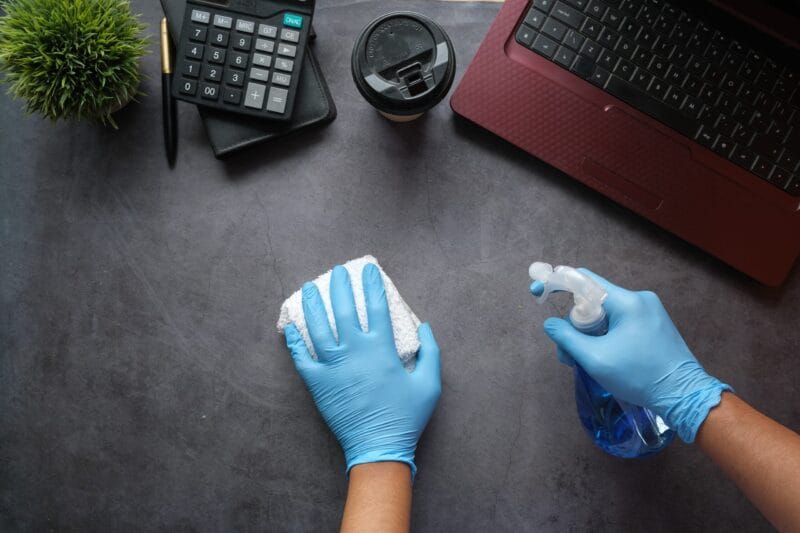
Keeping our surroundings clean and safe is crucial. When it comes to the best way to disinfect an office, understanding the ins and outs of this common practice is important.
For more information on the difference between cleaning, sanitizing and disinfecting, check out our blog on Sick Building Syndrome.
In this blog, we'll explore seven important things you need to know about disinfecting, examining both the benefits and potential drawbacks of this critical practice.
1. Knowing When Disinfecting is Necessary
One of the first things to understand is when disinfecting is necessary. The purpose of disinfecting an office is to eliminate harmful microorganisms like bacteria and viruses, reducing the risk of infections.
Disinfection also helps prevent the spread of contagious diseases in crowded spaces. However, it is important to note that disinfecting is not cleaning; it is important to clean the surface first, before applying a disinfectant.
2. Different Types of Disinfectants
There is no one-size-fits-all approach to disinfecting. Various disinfectants are available, each with its pros and cons. Common options include alcohol-based disinfectants, hydrogen peroxide, and bleach.
While they effectively kill germs, they each have advantages and disadvantages, such as their potentially harmful fumes or the need for proper ventilation during use.
3. Contact Time Matters
One critical factor to consider is the contact time needed for disinfectants to work. The best way to disinfect an office is to ensure that the disinfectant stays in contact with surfaces for the recommended duration.
Not all disinfectants are suitable for every surface. Using the wrong disinfectant on a particular material can damage it. It's essential to read product labels and understand the compatibility of disinfectants with various surfaces.
5. Overuse and Resistance
While disinfecting is sometimes necessary, overusing or misusing disinfectants can have adverse effects. Excessive use can lead to the development of resistant strains of microorganisms.
This can cause antibiotic-resistant germs and make them harder to eliminate in the long run. It's a delicate balance between maintaining a clean environment and avoiding the overuse of disinfectants.
6. Environmental Concerns
Disinfectants can have an impact on the environment. Some chemicals in disinfectants can be harmful to aquatic life and ecosystems if not disposed of properly.
Lastly, it's crucial to remember that the best way to disinfect an office, or any space, is with the involvement of everyone in the area.
Educating employees or family members about proper hygiene practices and the importance of disinfection can contribute significantly to maintaining a clean and safe environment.
While disinfection effectively eliminates harmful microorganisms, it's essential to be aware of the potential drawbacks, including the risk of overuse and environmental concerns.
By understanding these aspects of disinfection, we can strike a balance that ensures our surroundings remain clean, safe, and sustainable.
Setting up a Plan
Using a Trusted Partner in Cleaning
If you’re interested in contracting commercial cleaners who are knowledgeable about when disinfecting is needed, or when cleaning or sanitizing will suffice, look no further than Metropolitan. With over 40 years in the business and an average customer retention of 14 years, we’re a safe bet!
These days, we spend up to 90% of our time indoors, a significant portion of which is in commercial buildings, be it offices, schools, or healthcare facilities.
Without sufficient cleaning, commercial buildings can become breeding grounds for a phenomenon known as Sick Building Syndrome (SBS).
In this blog post, we will delve into what SBS is, its signs, and how commercial cleaning and sanitizing can play a pivotal role in ensuring a safer and healthier indoor environment.
What is Sick Building Syndrome and How Can Green Commercial Cleaning and Sanitizing Help?
Sick Building Syndrome (SBS) refers to a situation in which people experience acute symptoms linked to the conditions of the building in which they spend much of their time.
These symptoms cannot be traced to any specific illness, and they often subside when individuals leave the building.
Although SBS isn't classified as a specific illness, it can cause significant, usually temporary, health problems.
SBS is caused by numerous structural and environmental factors in a building, including:
Inadequate ventilation
Chemical contaminants (often from cleaning or other products containing VOCs)
Biological contaminants (bacteria, moulds, pollen and viruses)
Proper green commercial cleaning and sanitizing are key players in mitigating the effects of Sick Building Syndrome.
Regular cleaning and sanitizing of commercial spaces help in removing and preventing the buildup of chemical and biological contaminants like pollutants, allergens, and pathogens.
As well, opting for or switching to a green cleaning program can eliminate a significant source of chemical contamination.
This, in turn, contributes to better indoor air quality and reduces the risk of health issues associated with SBS.
What are the Signs of Sick Building Syndrome?
Identifying the signs of Sick Building Syndrome is essential for prompt intervention.
These symptoms can vary from person to person, but some common indicators include:
Respiratory Issues: Occupants may experience irritation of the eyes, nose, and throat, as well as coughing, wheezing, and shortness of breath.
Headaches: Frequent headaches or migraines while inside the building can be a sign of SBS.
Fatigue: Unexplained fatigue, even after a full night's sleep, can be attributed to the indoor environment.
Skin Problems: Skin rashes, dryness, or itching may develop as a result of exposure to pollutants.
Nausea and Dizziness: Some individuals may experience nausea, dizziness, or general discomfort while inside the building.
Difficulty Concentrating: Decreased cognitive function and difficulty concentrating are often reported by those affected by SBS.
These symptoms can be mild or severe and may vary in intensity depending on the extent of indoor pollution.
It's crucial to note that while these symptoms can mimic other health conditions, they often improve or disappear when individuals leave the affected building.
How Can You Make Your Commercial Environment Safer for Everyone?
Creating a safer commercial environment requires a multifaceted approach.
Here are some strategies that can help mitigate Sick Building Syndrome:
Proper Ventilation: Adequate ventilation is critical for maintaining good indoor air quality. Ensure that your HVAC systems are well-maintained and provide sufficient fresh air circulation.
Regular Cleaning and Sanitizing: Implement a consistent green cleaning and sanitizing schedule for your commercial space. This helps remove dust, allergens, and pathogens that can contribute to SBS.
Plants: Indoor plants can act as natural air purifiers by absorbing pollutants and increasing oxygen levels. Consider incorporating them into your workspace.
Natural Light: Maximizing natural light in your building can improve mood and well-being among occupants.
Reduce Chemical Use: Minimize the use of harsh cleaning chemicals and opt for eco-friendly alternatives to reduce indoor air pollution.
Educate Occupants: Raise awareness among building occupants about the importance of maintaining a clean and healthy indoor environment.
What is the Difference Between Cleaning, Sanitizing, and Disinfecting?
Understanding the distinction between cleaning, sanitizing, and disinfecting is important when it comes to maintaining a healthy indoor environment.
We may sometimes feel the need to go full tilt to eliminate dirt and bacteria, but this isn’t typically necessary.
Cleaning: Cleaning involves the removal of all foreign material from a surface, including dirt, dust, and debris. It does not necessarily kill germs, but is an essential first step in the process since sanitizing and disinfecting do not actually clean surfaces.
Sanitizing:Sanitizing reduces 99.9% of microorganisms on surfaces, bringing the environment to a safe level, as determined by public health standards. Sanitizing is often used in food preparation areas and on high-touch surfaces.