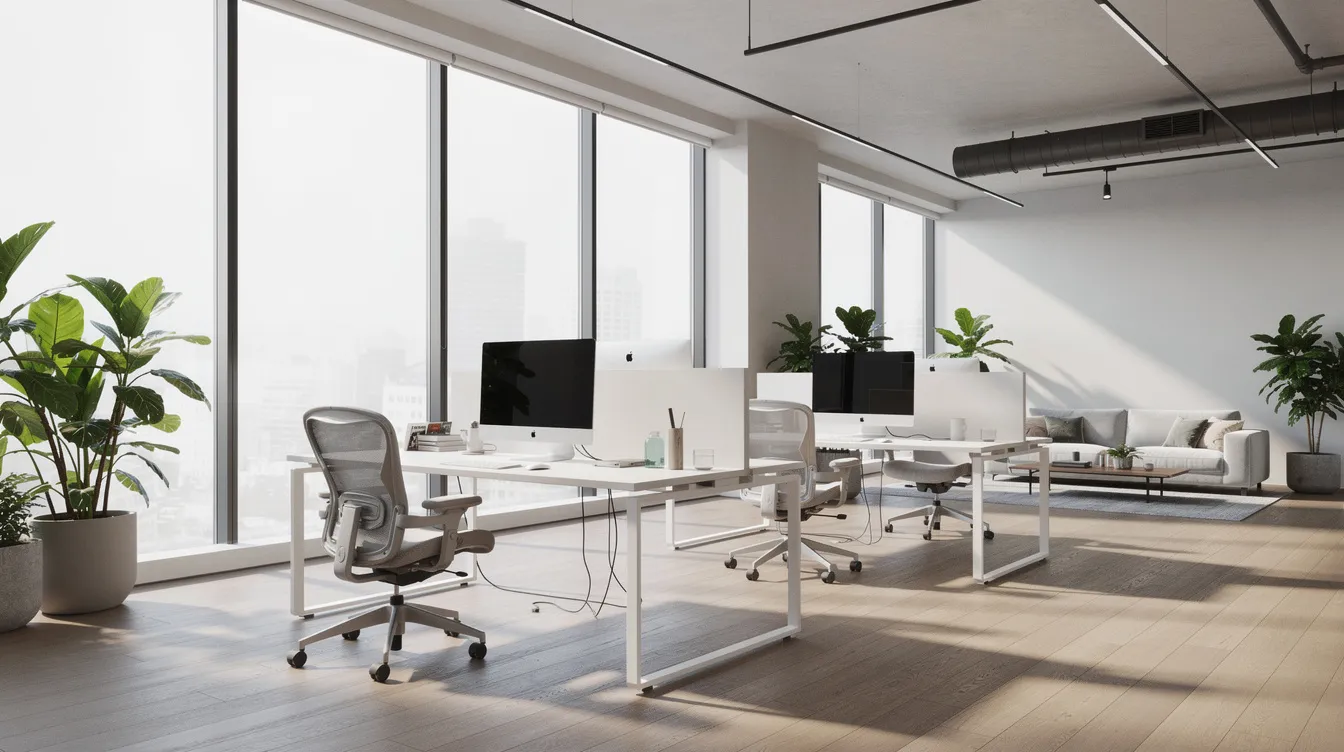
A green commercial cleaning company offers a smarter, healthier upgrade—not a niche compromise—delivering spotless results without harsh chemical residues.
Modern green cleaners are just as effective as, or more effective than, traditional chemicals for carpets, floors, windows, and general office cleaning.
Eco-friendly cleaning agents reduce toxins, support sustainability goals, and help prevent Sick Building Syndrome by improving indoor air quality.
Partnering with a green commercial cleaning company can improve employee health, reduce absenteeism by 15-25%, and enhance workplace productivity and morale.
Metropolitan’s chemical-free philosophy represents the logical next step for any business ready to move beyond bleach, ammonia, and harsh solvents.
Are You Really Happy With Your Current Cleaners?
Here’s a question worth sitting with: Is your current cleaning service actually helping your workplace—or quietly undermining it? Streaky windows, lingering chemical smells, recurring dust on high-touch surfaces—these aren’t minor inconveniences. They’re signals.
Many offices in 2026 still rely on harsh, fragranced chemicals that can trigger headaches, asthma flare-ups, and fatigue. This contributes directly to Sick Building Syndrome, a condition where employees experience chronic symptoms tied to time spent indoors. The culprits include high-VOC cleaners, synthetic fragrances, and residues that off-gas for days after the cleaning crew leaves.
Old-school cleaning looks like: bleach odour hitting you at 7 a.m., disposable plastics piling up, and ingredient lists you can’t verify. A green commercial cleaning company operates differently—transparent products, data-driven quality checks, and a commitment to indoor air quality rather than just surface-level appearance.
What are Green Commercial Cleaning Services, Exactly?
Green commercial cleaning services combine eco-friendly cleaning agents, energy-efficient equipment, and waste-reduction practices across every task—general office cleaning, floor maintenance, carpet care, and window cleaning services.
So what are green cleaners? They’re formulated with plant-based surfactants, low-VOC formulas, and biodegradable ingredients. They’re fragrance-free or naturally scented, and third-party certified through programs like Green Seal or EcoLogo. Natural green cleaners aren’t just “milder”—they’re engineered to meet the highest standards while protecting people from unnecessary chemical exposure.
Are green cleaners safe? Yes—they’re specifically formulated to be safer for people with asthma, allergies, and chemical sensitivities, while maintaining hospital-grade sanitation where needed. Green-friendly cleaning isn’t “just using vinegar.” It’s a structured, standards-based approach applicable to offices, medical spaces, schools, warehouses, and industrial environments.
How Green Cleaning Compares to Traditional Cleaning
Let’s be direct: green cleaning is at least as effective as traditional methods when the right products and processes are used. In many cases, it’s more effective—particularly for long-term cleanliness and hygiene.
Common myths debunked:
“Green cleaners are weaker.” Modern eco-friendly cleaning agents use advanced surfactant technology and enzyme-based formulas that break down oils, proteins, and organic soils more persistently than many legacy chemicals. Studies show low-VOC formulations reduce airborne particulates by 40-60% post-cleaning.
“It’s only for boutique offices.” Green commercial cleaning services now rival traditional janitorial standards in high-traffic environments like lobbies, elevators, restrooms, and shared kitchens.
Green cleaning products help prevent Sick Building Syndrome by reducing VOCs, synthetic fragrances, and residue that can off-gas into your space for days. Your employees breathe easier—literally.
Green Cleaning Across Your Facility: Carpets, Floors, Windows, and More
Here’s how specialized cleaning works in practice across key areas of your facility:
Carpet Care: Low-moisture encapsulation methods use polymer crystals that absorb dirt and vacuum away, slashing drying times from hours to under 30 minutes. Plant-based spot removers handle stains without harsh solvents, reducing mould risk and extending carpet life.
Floor Care: Neutral pH green cleaners paired with high-efficiency scrubbers and microfiber mops deliver glossy finishes. Low-toxin strippers extend surface lifespan by reducing corrosive wear—precision cleaning that maintains appearance without compromising safety.
Window Washing Services: A professional window washing service using green methods employs purified water systems, biodegradable glass cleaners, and lint-free cloths for streak-free results. Local window cleaning services that are truly green avoid ammonia-heavy agents and aerosols, protecting both staff and pedestrians from fumes.
General Office and Restroom: Eco-friendly janitorial services use colour-coded microfiber systems to prevent cross-contamination, HEPA-filter vacuums capturing 99.97% of particles down to 0.3 microns, and refillable dispensers cutting single-use plastic waste by up to 50%.
Health, Productivity, and the Hidden Cost of “Cheap” Cleaning
Reframe cleaning as part of your employee health strategy—not just a line-item expense.
Green cleaning benefits employee health in measurable ways: fewer respiratory irritants, less skin irritation for staff who touch surfaces frequently, and reduced migraine triggers from strong fragrances. Research links improved indoor air quality to 10-15% higher productivity, better concentration, and reduced fatigue.
Cleaning services that clean with green help prevent Sick Building Syndrome by controlling dust, mould spores, and chemical residues that accumulate in carpets, vents, and upholstery. These aren’t visible problems—but employees feel them.
Real-world example: After switching to environmentally friendly cleaning services, a mid-sized office reported 20% fewer sick days over a 12-month period and improved staff satisfaction in internal surveys. Employees specifically noted the absence of chemical odours and a sense of “cleaner air.” Happier employees, fewer absences, better operations.
Sustainability, Compliance, and Your Brand Reputation
Green commercial cleaning companies align with the ESG, CSR, and sustainability goals that many organizations formalized in 2024-2026. This isn’t just ethics—it’s operations.
An eco-friendly cleaning partner supports tenant and stakeholder expectations in modern buildings, pursuing WELL Building Standard, Fitwel, or LEED certification. These frameworks emphasize air quality and material health—areas where green cleaning directly contributes.
Reputational benefits: Being able to credibly say your facility uses earth-friendly cleaning products strengthens hiring, retention, and client trust. Customers and employees notice commitment to their health and security.
Choosing a Green Commercial Cleaning Company
Many providers now claim to be “green.” Buyers need clear criteria to verify claims and implement meaningful change.
What to look for:
Criteria
Questions to Ask
Documented program
“Can you share your green cleaning services protocols?”
Ingredient transparency
“What are eco-friendly cleaning products you use on carpets versus windows?”
Third-party certification
“Are your products Green Seal or EcoLogo certified?”
Staff training
“How is your team trained on safe use of green cleaners?”
Quality controls
“What metrics do you track for cleanliness and reliability?”
Compare proposals not only on price but on health outcomes, sustainability reporting, and consistency of service. How do they handle missed areas? Communication? Special requests?
This approach delivers spotless carpets, resilient floors, clear windows, and hygienic offices without the residual chemical burden typical of traditional services. The results are reliable, the schedule consistent, and the health benefits real.
Your next step: Audit your current cleaning. Note odours, complaints, sick day patterns, window clarity, and dust levels. Then connect with us to develop a tailored green commercial cleaning plan for your facility.
Building healthier, more sustainable workplaces starts with questioning the status quo. We’re ready to serve as your long-term partner—not a transactional vendor.
Frequently Asked Questions
Is green commercial cleaning really as effective as traditional cleaning?
Modern eco-friendly cleaning agents are formulated and tested to meet or exceed traditional performance, including disinfection where required by regulations. Advances in surfactant and enzyme technology allow green cleaners to break down grease, dirt, and organic matter as effectively as conventional products. When combined with proper techniques—dwell time, agitation, microfiber, and HEPA filtration—green commercial cleaning delivers equal or better visible and hygienic results across offices, restrooms, and high-traffic areas.
Will switching to green cleaners increase our cleaning costs?
While some premium green products may cost slightly more per unit, they’re often concentrated and used in smaller quantities, balancing overall spend. Indirect savings matter too: fewer employee sick days, lower turnover among cleaning staff due to safer working conditions, and reduced wear-and-tear on surfaces from gentler formulas. Many clients find their total cost of cleanliness either stays flat or decreases when health, absenteeism, and maintenance are considered.
Can green cleaning products be used safely in medical or high-risk environments?
Green-friendly cleaning doesn’t mean compromising infection control standards in clinics, dental offices, or care facilities. Certain eco-friendly disinfectants meet hospital-grade efficacy benchmarks while still minimizing VOCs and harsh residues. Work with a green commercial cleaning company experienced in sector-specific protocols to match the right products and procedures to regulatory requirements.
How quickly will we notice health benefits after switching to green commercial cleaning?
Some changes—like reduced chemical odours and less eye or throat irritation—are often noticed within days or weeks of transitioning. Reductions in Sick Building Syndrome complaints and sick days tend to emerge over several months of consistent cleaning with green products. Track simple metrics like odour complaints, reported headaches, and absenteeism to quantify improvements over time.
Do green window washing services really make a difference to indoor air quality?
Conventional window cleaning agents can contain ammonia and strong solvents that off-gas into indoor spaces, especially when used on large glass areas. Using green, low-VOC window cleaning services reduces these fumes while still delivering streak-free results. For offices with extensive glass, upgrading to a professional window washing service that prioritizes eco-friendly products is a simple but meaningful step toward healthier air.
Maintaining a clean and well-kept office is essential for both employee satisfaction and building longevity. High-quality commercial office cleaning programs not only ensure a professional appearance but also support a healthy work environment and protect expensive flooring, carpets, and furniture.
This guide will walk you through the essential standards for office cleaning, including floors, carpets, windows, and green cleaning options, while highlighting what makes a top-tier cleaning company.
Understanding Core Office Cleaning Standards
High-quality office cleaning is not just about completing a checklist; it’s about consistency, accountability, and adherence to best practices.
Daily, weekly, and monthly standards help provide a clear framework for what should be done and how it should be measured. When paired with trained staff and a proactive approach, these standards translate to fewer complaints, healthier offices, and longer-lasting building materials.
A. Daily Standards
Garbage removal — prevents odour buildup and reduces pest risks by emptying waste receptacles in all high-traffic areas.
Dusting of horizontal surfaces — removes accumulated allergens and dust on desks, ledges, and shared equipment to maintain air quality.
Restroom touch-ups — ensures handwashing stations, toilets, and sinks remain sanitary and user-friendly throughout the day.
Spot mopping — addresses spills immediately to prevent slip hazards and protect flooring surfaces from stains.
B. Weekly Standards
Detailed restroom cleaning — deep scrubbing and disinfecting of all fixtures to maintain hygiene standards and prevent odour development.
Full vacuuming of carpeted areas — lifts embedded dirt and prolongs carpet lifespan while improving indoor air quality.
Wiping of doors and high-touch points — reduces the spread of germs on frequently handled surfaces like doorknobs, handles, and elevator buttons.
C. Monthly Standards
High dusting — removes dust from vents, ceiling corners, and other hard-to-reach areas that are missed in daily routines.
Deep cleaning of kitchenettes or break areas — prevents grease and food buildup, ensuring staff areas remain sanitary and visually appealing.
Glass cleaning for interior partitions — keeps transparent office dividers and conference room glass clear and professional in appearance.
By understanding these standards, facility managers can set expectations for staff and providers alike.
Next, it’s important to focus on one of the most visible and high-traffic areas in any office: flooring, which requires both daily care and planned deep maintenance.
Floor Maintenance in an Office: What to Know, Plan For, and Expect
Floors are one of the most heavily used surfaces in any office. Proper maintenance preserves appearance, prevents costly repairs, and ensures safe conditions for staff and visitors.
Understanding the types of flooring and appropriate maintenance procedures is essential for facility managers.
A. Understanding Office Flooring Types
VCT flooring — requires periodic strip and wax cycles to maintain a durable protective layer and a polished finish.
Linoleum flooring — benefits from gentler cleaning agents and eco-friendly products to avoid damaging the natural material.
Tile flooring — often requires grout care to prevent staining and reduce odour absorption.
Laminate flooring — sensitive to moisture; requires controlled wet cleaning methods to prevent warping or swelling.
B. Key Tasks & Standards
Routine sweeping and mopping — removes dirt, dust, and grit before they scratch or dull surfaces over time.
Floor stripping and waxing — removes old finish and applies a new coat to protect and restore VCT or tile surfaces.
Buffing with a floor maintenance machine — revives the shine and smoothness between major maintenance cycles.
Scheduled scrub-and-recoat cycles — maintain a consistent floor appearance without the disruption or cost of full strip-and-wax services.
C. Planning & Expectations for Facility Managers
Annual maintenance planning — incorporates budget and schedule considerations for deep cleaning, avoiding last-minute emergency services.
Traffic-pattern mapping — identifies high-use areas that require more frequent attention and informs cleaning cycles.
Clear reporting from your contractor — regular emails, phone calls, or quarterly check-ins provide accountability and transparency.
Proactive inspections — detect early wear or damage, allowing preventive action before costly repairs are needed.
High-traffic lanes — accumulate soil quickly and need targeted cleaning to prevent premature fiber wear.
Transition areas — such as entries and hallways where hard flooring meets carpet, tend to trap grit and require specialized care.
Commercial carpet cleaner systems — use powerful extraction methods that remove dirt without damaging fibers.
Industrial carpet cleaner equipment — delivers deep cleaning for large areas or stubborn stains, maintaining a professional appearance.
B. Standards & Best Practices
Daily vacuuming — removes surface dirt before it embeds into carpet fibres, reducing long-term maintenance costs.
Spot cleaning — addresses spills promptly to prevent staining and lingering odours.
Interim encapsulation cleaning — refreshes carpets between deep cleanings for ongoing maintenance and appearance.
Hot water extraction services — restore carpet fibres and remove deep-set dirt, extending life and improving indoor air quality.
Scheduled cleaning frequency — high-traffic areas may require cleaning every 1–3 months, while less-used offices may need 6–12 months between services.
C. Planning & Expectations
Annual carpet maintenance program — includes extraction, interim cleanings, and spot treatments for optimal lifespan.
Review of carpet cleaning solutions — ensures chemicals are compatible with the fibre type and prevent residue buildup.
Tracking high-soil zones — allows cleaning teams to focus on areas like reception, elevators, and corridors that experience heavy use.
Once carpets are maintained, attention should turn to windows. Clean interior and exterior glass contributes not only to aesthetics but also to light quality and tenant satisfaction.
Interior windows — benefit from frequent cleaning to remove fingerprints, dust, and office residue.
Exterior glazing — exposed to weather and pollution, requiring scheduled maintenance to prevent permanent staining.
Height and access considerations — may require lift equipment or trained technicians for safe exterior cleaning.
B. Professional Service Expectations
Streak-free glass cleaning — ensures clarity and avoids distractions from smudges or residue.
Frame and sill wiping — prevents dirt buildup that can transfer back onto windows and impact appearance.
Trained window washers — use proper safety equipment and techniques to deliver consistent results.
Beyond floors, carpets, and windows, modern facilities increasingly prioritize sustainable cleaning practices. Green cleaning is an essential consideration for facility managers looking to reduce environmental impact while maintaining high standards.
Green Cleaning Options & Sustainability Considerations
Modern offices increasingly focus on sustainability, tenant health, and indoor air quality. Green commercial cleaning programs help reduce chemical exposure, improve environmental impact, and align with broader building sustainability goals.
Environmentally friendly products — reduce VOC emissions and indoor air pollution, promoting healthier office spaces.
Chemical-free cleaning methods — prevent residue buildup on floors, carpets, and furniture while protecting sensitive materials.
HEPA-filtered vacuums — remove fine dust and allergens, improving overall air quality for occupants.
Proper waste management — includes recycling and safe disposal, minimizing environmental footprint.
B. Standards & Practices
Certified green cleaners — products approved by EcoLogo or Green Seal ensure safety and sustainability.
Microfiber cloths and pads — use less water and chemicals while effectively capturing dirt and microbes.
Dilution control systems — measure and mix chemicals precisely, reducing waste and improving consistency.
Staff training in green techniques — ensures products are used correctly for maximum effectiveness without overuse.
C. Planning for Green Cleaning
Documentation of products and methods — helps verify compliance with sustainability standards and informs tenant communication.
Audits and performance tracking — monitor results and adjust cleaning schedules or product selection as needed.
Integration with maintenance schedules — ensures green cleaning supports, rather than disrupts, other building maintenance activities.
With floors, carpets, windows, and sustainable practices addressed, the next step is understanding what makes a high-quality office cleaning company. The same principles that define effective cleaning routines also reflect the professionalism and reliability of the service provider.
What Makes a High-Quality Office Cleaning Company
While previous sections focused on standards and procedures, choosing the right provider is equally critical. A high-quality commercial cleaning company embodies the same principles you expect from their work: consistency, accountability, and continuous improvement.
Commitment to quality first — guarantees services and addresses any issues promptly to ensure client satisfaction.
History of excellence — demonstrates long-term experience with commercial office cleaning and a proven track record.
Trained and certified staff — ensures technicians can handle all equipment safely and use appropriate cleaning methods.
Proactive communication — provides updates, reports, and responds quickly to concerns, keeping facility managers informed.
Continuous improvement mindset — regularly updates procedures, invests in staff training, and adopts new techniques or eco-friendly practices.
Selecting a provider with these qualities ensures that the high standards outlined in this guide are consistently met. Beyond evaluating company credentials, facility managers should also consider scheduling, local service availability, and ongoing support for building-specific needs.
Planning, Local Services, and Facility Manager Considerations
A comprehensive cleaning plan coordinates all elements of a commercial office program—floor, carpet, windows, and green cleaning—while respecting building operations and tenant schedules.
A. Scheduling & Maintenance
Tailored cleaning schedules — account for office hours, peak traffic zones, and seasonal demands to minimize disruption.
Coordination with building operations — integrates cleaning with maintenance, events, or construction cleanup without interfering with workflows.
Documented inspections and follow-ups — ensures that every area meets agreed-upon standards consistently.
B. Local Service Considerations
Proximity to the building — local providers reduce travel time, respond quickly to emergencies, and understand regional weather impacts on floors and windows.
Familiarity with local codes — ensures compliance with provincial health, safety, and environmental regulations.
Community reputation — reviews and testimonials provide insight into reliability and quality.
C. Supply Management
On-site cleaning supplies — organized and readily available materials reduce downtime and ensure staff can follow correct procedures.
Use of appropriate janitorial supplies — chemicals, microfiber products, and floor pads are matched to building surfaces and green cleaning goals.
Inventory audits — track usage to prevent shortages or overstock, supporting both efficiency and sustainability.
Integrating high standards, sustainable practices, and professional management sets the foundation for a building that is clean, safe, and welcoming—every day.
Bring It All Together
Effective commercial office cleaning requires more than routine effort. It demands an understanding of standards, careful planning, and a partnership with a professional, high-quality service provider.
By combining structured cleaning schedules, well-trained staff, proper equipment, and sustainable practices, facility managers can maintain a clean, safe, and attractive office environment that protects assets, supports employee health, and impresses tenants and visitors alike.
Metropolitan Building Maintenance offers exactly that: complete facility cleaning, supply management, and long-term reliability across the Lower Mainland.
Managing onsite cleaning supplies across multiple properties can be one of the toughest challenges for facility and property managers. Between balancing quality, storage, and sustainability, it’s easy for supply chains to get tangled — especially when several buildings or teams are involved.
Whether you manage offices, retail spaces, or business parks, having the right cleaning supplies in the right place at the right time is essential for consistency and efficiency.
Here are ten smart strategies to help you take control of your supply management, reduce waste, and keep every site running smoothly.
All-purpose cleaners for desks, glass, and surfaces
Disinfectants for high-touch points
Floor care products for linoleum, vinyl, and carpet
Restroom supplies (paper, soap, air fresheners)
Janitorial items such as mops, buckets, dusters, and microfiber cloths
Waste liners and dispensers
Having these essentials available at every site eliminates guesswork and helps teams stay consistent. The key is balance — enough inventory to meet demand, but not so much that products expire or clutter storage.
2. Match the Right Supplies to the Right Areas
Not all spaces are created equal, and neither are their cleaning needs. A modern office, a warehouse, and a retail front each require different products and procedures.
Here’s a breakdown of what works best:
Office areas: Light-duty surface cleaners, low-VOC disinfectants, and glass sprays.
Washrooms: High-strength sanitizers and odour-control products.
Lobbies and entryways: Industrial cleaning supplies such as neutral floor cleaners and polishers.
Breakrooms and kitchens: Degreasers and food-safe surface cleaners.
Storage and backrooms: Heavy-duty commercial cleaning supplies to remove soil and buildup.
Adapting supply types to each space prevents product misuse and maintains a professional standard throughout your facilities.
Use colour-coded bins for different areas (e.g., blue = office, red = restroom).
Store chemicals safely away from paper products and food-related supplies.
Rotate older stock to the front to prevent expiration.
For larger properties, digital inventory tracking tools help track use and alert you when supplies run low. A good cleaning supplies supplier can even integrate with your system for automatic replenishment.
4. Centralize Ordering Across All Locations
Ordering supplies independently for each site might seem convenient — but it’s rarely efficient. Centralizing purchasing helps you control product consistency, track spending, and negotiate better pricing.
When one person or department oversees supply ordering, you gain:
Bulk purchase discounts
Simplified vendor communication
Unified standards across every building
Less administrative time spent on individual orders
By consolidating your orders through a single cleaning supplies supplier, you’ll streamline costs and ensure that every facility uses the same trusted brands.
5. Quality Over Quantity
Cheap cleaning products often cost more in the long run. Lower-quality sprays, cloths, and mop heads require more frequent replacement and can reduce cleaning efficiency.
Invest in high-quality janitorial cleaning supplies that:
Use concentrated formulas (less waste per use)
Have ergonomic packaging for easier dilution
Are designed for commercial or industrial use
Last longer and perform consistently
While premium products may seem costlier upfront, they reduce labour hours, improve cleaning results, and extend surface life — saving money and effort over time.
Longer-lasting equipment due to gentler formulations
Examples of effective green products:
Enzyme-based carpet cleaners that digest organic stains naturally
Hydrogen peroxide disinfectants that break down safely into water and oxygen
Microfiber mop systems that reduce chemical use
Concentrated all-purpose cleaners with plant-based surfactants
When every site adopts these products, you demonstrate corporate responsibility while maintaining a healthier workplace.
7. Empower Your Onsite Staff
Even the best system fails if the people using it aren’t trained. Each facility should have one designated “supply lead” responsible for overseeing inventory, ensuring safe storage, and communicating reorder needs.
Provide training on:
Proper chemical handling and dilution
Storage safety (especially for concentrated products)
Recognizing product expiry and shelf-life indicators
Tracking and reporting usage
Empowered, well-trained teams ensure supplies are used efficiently, safely, and consistently — preventing misuse and unnecessary waste.
8. Partner with a Reliable Cleaning Supplies Supplier
A dependable cleaning supplies supplier is more than a product source — they’re your operational partner. They understand your cleaning programs, can anticipate your needs, and ensure consistent product quality.
Look for suppliers that offer:
Multi-location support for consolidated orders
Flexible delivery schedules for on-demand restocking
When your cleaning services provider also manages your on-site cleaning supplies, you benefit from:
Consistent product use across every site
Improved communication between cleaning crews and supply management
Reduced administrative time coordinating multiple vendors
One clear point of accountability for both service and product quality
One Partner. Total Peace of Mind.
Managing onsite cleaning supplies across multiple locations doesn’t have to be complicated. With the right systems, sustainable products, and a reliable partner, you can streamline purchasing, improve consistency, and support your environmental goals — all while reducing costs and downtime.
Metropolitan Building Maintenance offers exactly that: complete facility cleaning, supply management, and long-term reliability across the Lower Mainland.
Maintaining a clean and safe commercial property requires more than just diligent janitorial staff — it starts with having the right products, consistently available and ready for use.
A reliable cleaning supplies supplier is the backbone of any effective facility management plan, ensuring your team has everything they need to maintain a professional environment.
In this guide, we’ll explore how to evaluate suppliers, select quality products, support sustainability, and ultimately simplify your office cleaning operations.
What Makes a Great Cleaning Supplies Supplier?
Not all suppliers are created equal. The right cleaning supplies supplier goes beyond providing products — they act as a partner in maintaining the facility’s standards. Here’s what to look for:
Comprehensive Inventory: From janitorial cleaning supplies like mops and microfiber cloths to industrial cleaning supplies for mechanical areas, your supplier should have everything on hand.
Product Knowledge & Training: Suppliers should guide your team on how to organize cleaning supplies, safe handling, and proper usage.
Reliable Logistics: Timely delivery of on-site cleaning supplies is essential, especially for multi-location facilities.
Transparency & Safety: Proper labelling, safety data sheets, and eco-certifications are signs of a professional supplier.
A strong supplier becomes a trusted partner, helping your property run efficiently and predictably.
Matching Supplies to Every Area of Your Facility
Different areas require different products. A top-tier cleaning supplies supplier will help you identify what works best for each zone:
Investing in higher-quality commercial cleaning supplies, like microfiber cloths, concentrated cleaners, and durable equipment, delivers better results and longevity. A knowledgeable cleaning supplies supplier can help you balance cost and quality, ensuring you get the best value for your budget.
Supporting Sustainability with Green Cleaning Supplies
Refillable spray systems and concentrated solutions
Top cleaning supplies suppliers offer these eco-friendly alternatives across their product lines, making it easy to integrate green cleaning into daily operations.
Proper storage is key: most janitorial supplies are kept in janitorial closets, with additional storage in unused rooms or cabinets. When space is limited, janitors should ensure vehicles are equipped to transport janitorial equipment safely.
A dependable supplier can track inventory levels, forecast needs, and restock before shortages occur — keeping your team prepared at all times.
The Local Advantage: Cleaning Supplies Near You
Working with a local cleaning supplies supplier near me offers several advantages:
Faster Delivery: Quick restocks of on-site cleaning supplies reduce downtime.
Personalized Support: Local suppliers often provide guidance, training, and product demonstrations.
Regional Expertise: They understand local building codes, sustainability standards, and facility requirements.
The ideal cleaning supplies supplier doesn’t stop at products — they provide a comprehensive service that supports your facility’s overall maintenance strategy.
Metropolitan Building Maintenance offers a full suite of services alongside high-quality janitorial supplies, including:
Choosing the right cleaning supplies supplier is about more than just purchasing products — it’s about building a partnership that supports quality, sustainability, and efficiency. From eco-friendly cleaners to on-site cleaning supplies and expert guidance on how to organize cleaning supplies, a reliable supplier ensures your facility always operates at its best.
With Metropolitan Building Maintenance, you get more than supplies — you gain a trusted partner who handles every aspect of commercial cleaning and maintenance.
In large buildings, keeping janitorial operations running smoothly depends on more than just good staff and schedules — it also depends on organization.
Knowing how to organize cleaning supplies properly can save hours of wasted time, reduce supply loss, and even prevent safety risks.
For property managers and facility teams, effective organization transforms cleaning from a reactive task into a proactive system.
Whether your facility uses in-house janitors or a contracted service, a well-thought-out supply management plan — backed by the right cleaning supplies supplier — makes all the difference.
Understanding the Full Range of Cleaning Supplies Your Facility Needs
Every large facility relies on a wide variety of janitorial supplies, ranging from basic tools to specialized products. Common categories include:
Janitorial cleaning supplies: Mops, buckets, microfiber cloths, and carts.
Industrial cleaning supplies: Degreasers, solvents, and heavy-duty floor cleaners used in mechanical or maintenance areas.
General janitorial items: Paper towels, liners, soaps, and dispensers for restrooms and breakrooms.
Cleaner cleaning supplies—those made with quality materials and reliable formulations—perform better, last longer, and reduce waste compared to cheaper alternatives.
Top Strategies for How to Organize Cleaning Supplies
When it comes to how to organize cleaning supplies, the goal is to make products accessible, clearly labeled, and safely stored. Here’s how to do it right:
Label and Categorize: Group janitorial items by function — for example, keep restroom cleaners separate from general-purpose sprays to avoid confusion or chemical mixing.
Centralized Storage with On-Site Access: Position on site cleaning supplies closets or cabinets near work zones to minimize travel time.
Use Appropriate Storage Areas: In most facilities, janitorial supplies are stored in dedicated janitorial closets, and to a lesser degree in storage rooms or unused closets. Where space is limited, janitors should ensure their vehicles are properly equipped and organized to transport janitorial equipment safely and efficiently.
Inventory Rotation: Keep track of usage rates, expiry dates, and reorder points to avoid stockouts or overordering.
Smart Storage Systems:
Locked cabinets for chemicals and sensitive materials.
Clearly labelled bins and shelving for easy access.
Rolling janitorial carts to transport cleaning supplies between floors.
Train Staff: Make sure janitorial staff are WHIMIS certified, know where supplies are stored, and what their needs are from zone to zone.
Proper organization ensures every cleaning shift starts prepared — not searching for missing tools or half-empty bottles.
Balancing Quality and Cost
Not all janitorial cleaning supplies are created equal. Low-cost products may seem attractive upfront, but they often lead to higher consumption rates and faster equipment wear.
Higher-quality options — such as concentrated cleaners, microfiber tools, and ergonomic carts — deliver better performance and durability.
Partnering with a trusted cleaning supplies supplier helps strike the right balance. An experienced supplier can recommend the best options for your specific facility, from commercial cleaning supplies to specialized products for sensitive areas.
Supporting Sustainability with Green Cleaning Products
Sustainability is no longer optional — it’s an essential part of responsible facility management.
Choosing green cleaning products not only supports environmental goals but also creates healthier spaces for staff and visitors.
Environmentally friendly cleaners are typically biodegradable, low in VOCs, and packaged in recyclable or refillable containers. These green cleaner cleaning supplies reduce chemical exposure while still providing professional-grade performance.
Many cleaning supplies suppliers now offer full lines of eco-certified options, making it easier to integrate sustainability into your operations without sacrificing results.
Why “Cleaning Supplies Near Me” Matters
Working with a local cleaning supplies supplier near you has several practical benefits:
Faster Delivery: Keep on site cleaning supplies replenished without long shipping delays.
Personalized Service: Local partners often provide customized product recommendations or training for janitorial teams.
Regional Expertise: They understand local facility needs, building codes, and sustainability standards.
At Metropolitan Building Maintenance, we go beyond supplies. We offer a full range of dependable services, including janitorial and carpet cleaning, floor care, and window cleaning — all supported by sustainable, eco-friendly practices.
When your cleaning supplies, services, and expertise come from one trusted source, your facility runs cleaner, greener, and more efficiently.