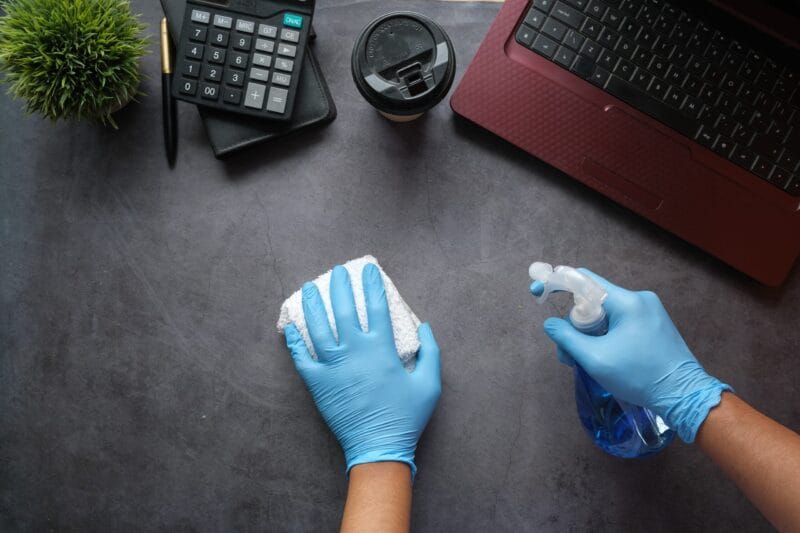
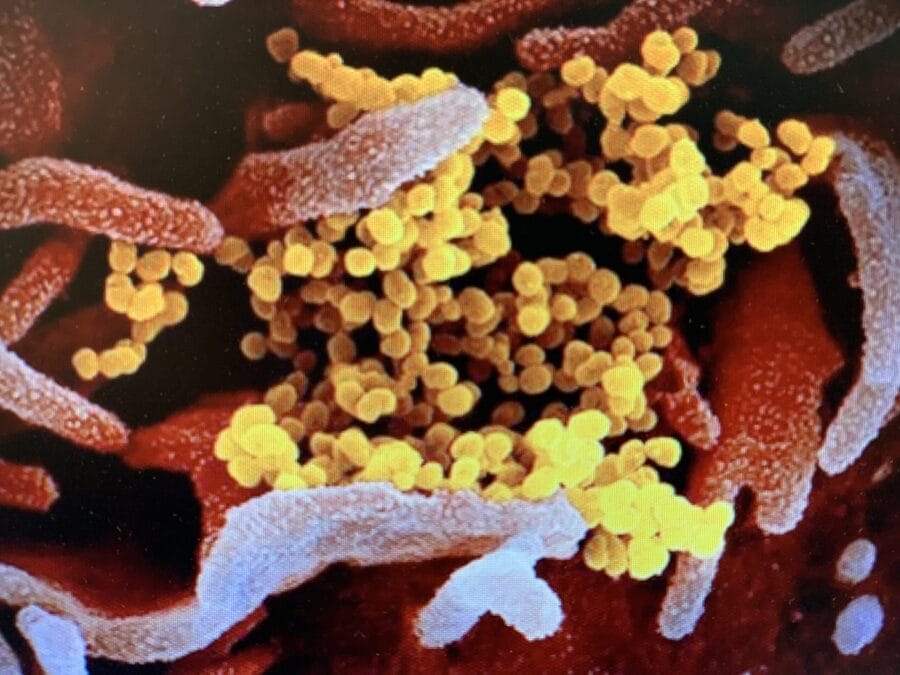
These days, we spend up to 90% of our time indoors, a significant portion of which is in commercial buildings, be it offices, schools, or healthcare facilities.
Without sufficient cleaning, commercial buildings can become breeding grounds for a phenomenon known as Sick Building Syndrome (SBS).
In this blog post, we will delve into what SBS is, its signs, and how commercial cleaning and sanitizing can play a pivotal role in ensuring a safer and healthier indoor environment.
What is Sick Building Syndrome and How Can Green Commercial Cleaning and Sanitizing Help?
Sick Building Syndrome (SBS) refers to a situation in which people experience acute symptoms linked to the conditions of the building in which they spend much of their time.
These symptoms cannot be traced to any specific illness, and they often subside when individuals leave the building.
Although SBS isn't classified as a specific illness, it can cause significant, usually temporary, health problems.
SBS is caused by numerous structural and environmental factors in a building, including:
Inadequate ventilation
Chemical contaminants (often from cleaning or other products containing VOCs)
Biological contaminants (bacteria, moulds, pollen and viruses)
Proper green commercial cleaning and sanitizing are key players in mitigating the effects of Sick Building Syndrome.
Regular cleaning and sanitizing of commercial spaces help in removing and preventing the buildup of chemical and biological contaminants like pollutants, allergens, and pathogens.
As well, opting for or switching to a green cleaning program can eliminate a significant source of chemical contamination.
This, in turn, contributes to better indoor air quality and reduces the risk of health issues associated with SBS.
What are the Signs of Sick Building Syndrome?
Identifying the signs of Sick Building Syndrome is essential for prompt intervention.
These symptoms can vary from person to person, but some common indicators include:
Respiratory Issues: Occupants may experience irritation of the eyes, nose, and throat, as well as coughing, wheezing, and shortness of breath.
Headaches: Frequent headaches or migraines while inside the building can be a sign of SBS.
Fatigue: Unexplained fatigue, even after a full night's sleep, can be attributed to the indoor environment.
Skin Problems: Skin rashes, dryness, or itching may develop as a result of exposure to pollutants.
Nausea and Dizziness: Some individuals may experience nausea, dizziness, or general discomfort while inside the building.
Difficulty Concentrating: Decreased cognitive function and difficulty concentrating are often reported by those affected by SBS.
These symptoms can be mild or severe and may vary in intensity depending on the extent of indoor pollution.
It's crucial to note that while these symptoms can mimic other health conditions, they often improve or disappear when individuals leave the affected building.
How Can You Make Your Commercial Environment Safer for Everyone?
Creating a safer commercial environment requires a multifaceted approach.
Here are some strategies that can help mitigate Sick Building Syndrome:
Proper Ventilation: Adequate ventilation is critical for maintaining good indoor air quality. Ensure that your HVAC systems are well-maintained and provide sufficient fresh air circulation.
Regular Cleaning and Sanitizing: Implement a consistent green cleaning and sanitizing schedule for your commercial space. This helps remove dust, allergens, and pathogens that can contribute to SBS.
Plants: Indoor plants can act as natural air purifiers by absorbing pollutants and increasing oxygen levels. Consider incorporating them into your workspace.
Natural Light: Maximizing natural light in your building can improve mood and well-being among occupants.
Reduce Chemical Use: Minimize the use of harsh cleaning chemicals and opt for eco-friendly alternatives to reduce indoor air pollution.
Educate Occupants: Raise awareness among building occupants about the importance of maintaining a clean and healthy indoor environment.
What is the Difference Between Cleaning, Sanitizing, and Disinfecting?
Understanding the distinction between cleaning, sanitizing, and disinfecting is important when it comes to maintaining a healthy indoor environment.
We may sometimes feel the need to go full tilt to eliminate dirt and bacteria, but this isn’t typically necessary.
Cleaning: Cleaning involves the removal of all foreign material from a surface, including dirt, dust, and debris. It does not necessarily kill germs, but is an essential first step in the process since sanitizing and disinfecting do not actually clean surfaces.
Sanitizing:Sanitizing reduces 99.9% of microorganisms on surfaces, bringing the environment to a safe level, as determined by public health standards. Sanitizing is often used in food preparation areas and on high-touch surfaces.
Commercial cleaning is an essential aspect of maintaining a beautiful, healthy, and productive workspace.
Whether you oversee a bustling office, a retail store, or a healthcare facility, the cleanliness of your commercial space directly affects the well-being of employees and the impression you make on clients.
In this comprehensive guide, we'll explore the essential aspects of keeping your workspace pristine.
Understanding the Importance of Commercial Cleaning
Commercial cleaning is more than a routine chore; it's a strategic investment in the success and well-being of your business and employees.
First Impressions: A clean and well-maintained commercial space leaves a lasting positive impression on clients, customers, and business partners. Research tells us that it takes less than a second for someone to develop a first impression. We also know that any signs of disorganization or uncleanliness can turn potential customers away just as quickly, even if you have done everything else just right. Whether it’s an office or retail space, cleanliness and order instill confidence and trust in visitors, so don’t miss out on the opportunity to shine.
Regulatory Compliance: Many industries are subject to strict cleanliness and hygiene regulations, making compliance a fundamental requirement. These are high-traffic, public locations like hospitals, libraries, schools, and recreation centres. However, any business is beholden to the standard of maintenance bylaws and regulations defined by their municipality. As well, for a commercial space where people are employed, there may also be WorkSafeBC standards to consider as well.
Creating a Comprehensive Cleaning Plan
The foundation of effective commercial cleaning lies in a well-structured cleaning plan. This plan should encompass key components such as:
Understand the Scope of Work: Break down the different areas in your office or retail space to understand the full scope of work that cleaners will have to tackle. It can help to separate different areas into zones based on the level of traffic and the cleaning needs. High-traffic areas like entryways, kitchens and bathrooms could be defined as Zone 1 for high cleaning needs. Low-traffic areas may only require a light weekly cleaning and annual maintenance for flooring and upholstery. If you are going to hire a professional cleaning company, they will do this work with you.
Develop a Cleaning Schedule: Establish a cleaning schedule that aligns with your business's operating hours and workflow. Define the specific cleaning tasks required for your space, differentiating between daily, weekly, and monthly routines (more on cleaning schedules below).
Delegate the Work: You may wish to employ in-house cleaning staff or engage a professional commercial cleaning service. However, with even moderate guest foot traffic, consider consulting a professional cleaning company, or hiring a dedicated in-house janitor, so as not to over-tax your regular staff.
Invest in the Right Cleaning Supplies:Ensure you have the necessary cleaning products and equipment for each cleaning task. There are lots of sustainable green products that work great as multi-surface cleaners. Your cleaning company will bring in their own products, and they might even be able to stock your supplies as well.
Plan for Quality Assurance: Implement a system for quality control and routine inspections to maintain high cleaning standards. Look for a professional cleaning service that will work with you to correct errors and ensure the work is done to your specifications.
Types of Commercial Cleaning Services
Different commercial spaces demand distinct cleaning needs. Here's a brief overview of various types of commercial cleaning services:
Office Cleaning: Offices require regular cleaning to maintain a healthy work environment, involving tasks like dusting, vacuuming, surface sanitization, and trash removal.
Retail Cleaning: Retail stores demand meticulous cleaning to create an inviting shopping experience. This includes floor maintenance, window cleaning, and merchandise display upkeep.
Healthcare Cleaning: Healthcare facilities must adhere to stringent cleanliness standards to prevent the spread of infections. Cleaning involves disinfection of high-touch surfaces, sterilization, and safe disposal of biohazards.
Industrial Cleaning: Factories and industrial spaces need specialized cleaning to address unique challenges like machinery maintenance, oil spill cleanup, and hazardous waste disposal. Not all professional cleaners will be capable of responding to these types of jobs.
Green Cleaning Practices for a Sustainable Future
The adoption of green cleaning practices has emerged as a significant trend in recent years. Beyond reducing environmental impact, green cleaning promotes healthier indoor air quality. Key components of green cleaning include:
Opt for Eco-Friendly Products: Utilize cleaning products that are biodegradable, non-toxic, and certified as environmentally friendly.
Prioritize Resource Efficiency: Optimize water and energy usage during cleaning processes to reduce waste and conserve resources.
Practice Recycling and Waste Reduction: Implement recycling programs and minimize waste generation wherever possible.
There are many reasons why green cleaning has become so popular.
People spend 90% of their time indoors, and the quality of indoor air can have dramatic effects on our health and well-being. We also know that chemical cleaners can adversely affect indoor air quality. Here are a few unnecessary additives to look out for:
Phosphates:Phosphates are chemical compounds commonly found in detergents and cleaning agents. While they enhance cleaning performance, their runoff into water bodies can have devastating consequences. Phosphates are best known for causing harmful algal blooms in waterways. These blooms can deplete oxygen levels in the water, causing massive fish and aquatic life die-offs.
Volatile Organic Compounds (VOCs): VOCs encompass a range of organic compounds found in various cleaning products. When released into the atmosphere, VOCs can react with other chemicals and sunlight, forming ground-level ozone and smog. VOCs contribute to environmental diseases, respiratory problems, and even climate change.
Aromatic and Halogenated Solvents: Cleaning products that contain aromatic and halogenated solvents pose a significant risk to human health and the environment. Exposure to these solvents can lead to toxicity of the nervous system, reproductive damage, liver and kidney damage, respiratory impairment, and even an increased risk of cancer. Additionally, they can cause skin irritations and dermatitis upon contact.
For these reasons, it is beneficial not only to your staff, clients, and customers but for the surrounding environment to keep an open mind to eco-safe cleaning products.
Addressing Specialized Cleaning Challenges
Every commercial space presents its unique cleaning challenges. Here are some common scenarios and strategies to tackle them effectively:
High-Traffic Areas: Spaces with heavy foot traffic require more frequent cleaning and maintenance to prevent dirt buildup. It's also wise to lay mats down in these areas so that carpets are not damaged from foot traffic, debris, and salt during winter periods.
Restroom Cleaning: Restrooms demand meticulous cleaning to prevent the spread of germs, requiring regular disinfection and the replenishment of supplies.
Carpet Care: Carpets in commercial spaces require periodic deep cleaning to remove dirt, stains, mould and bacteria. Steam cleaning is the best way to kill off mould and bacteria and suck out any dirt and debris. Vacuuming is not enough to remove most stains, bacteria and mould. But regular (daily) vacuuming combined with steam cleaning once or twice a year is a surefire way to keep your carpets looking fresh and lasting longer.
Floor Care: Hard floors break down quickly without the protective seal of a wax coating laid over top. But over time, even the wax will break down and begin to stain, which is why the best practice is to regularly strip and re-coat your floors. This sustains the appearance of your floors and saves money by protecting the structural integrity of flooring so that it does not need to be replaced as often.
Window Cleaning: Most commercial cleaning companies are equipped to tackle indoor windows, which include glass walls and surfaces. However, not all cleaning companies have the tools and expertise to help out with exterior windows, and some can only clean windows to a certain height.
Hiring a Professional Commercial Cleaning Service
Many businesses opt to outsource their commercial cleaning needs to professional services. When selecting a cleaning service, consider the following factors:
Experience: Choose a service with a proven track record in commercial cleaning.
Green Product Certifications: Seek out cleaning companies that use products certified by third-party agencies like Green Seal or the Ecologo Certification Program, indicating a commitment to eco-friendly practices.
References: Request references and contact previous clients to gauge the service's reliability and performance.
Customization: Ensure the cleaning service can tailor their offerings to meet your specific needs by doing a walk-through together and periodically evaluating the work to ensure your standards are being met.
Maintaining a Consistent Cleaning Schedule
Regular and dependable cleaning services help sustain a clean and organized environment.
Collaborate with your chosen cleaning service to establish a cleaning schedule that aligns seamlessly with your business operations.
Some cleaning should be done daily, and some weekly, while others can be done annually. Here is an example of what a basic cleaning schedule could look like:
Kitchen: Surfaces, Floors, Garbage, Recycling and Compost
Public Spaces: Vacuuming
Front Entrance: Vacuuming, Spot Cleaning
Weekly Cleaning and Maintenance:
Kitchens: Fridge, Microwave, Fans
Public Spaces: Walls, Windows, Dusting,
Outdoor: Walkway sweeping, Parking area
Infrequent and Annual Cleaning and Maintenance:
Hard Floors: Waxing and stripping
Carpets: Steam cleaning
Rooftop: Clearing debris
Windows: Exterior window cleaning
Businesses and public spaces that are frequented by more people, or more vulnerable populations, like hospitals, elderly care homes, clinics, schools, libraries, recreation centres and other such establishments will need a more vigorous cleaning schedule.
Emergency Cleaning and Pandemic Preparedness
For emergencies like floods and times of crisis, such as the COVID-19 pandemic, having an emergency cleaning plan is essential.
This plan should encompass protocols for deep cleaning, disinfection, and ensuring the safety of employees and visitors. Consult guidelines and recommendations from your health authority to understand what you should have in place for pandemic preparedness.
It is also worthwhile speaking to your regular cleaning company about emergency preparedness to find out their protocols and if they can help in the case of an emergency or outbreak.
Deciding on Your Provider
Commercial cleaning is a multifaceted endeavour that demands meticulous planning and execution, knowledge and experience.
By understanding the significance of cleanliness, crafting a well-structured cleaning plan, embracing green cleaning practices, addressing specialized cleaning challenges, and making informed decisions about selecting a cleaning service, you can uphold a clean and safe commercial space conducive to productivity and make positive impressions.
In this blog we’ll focus on the seven biggest values derived from the white paper.
Workplace Cleanliness: A Story Worth Telling
Stories have a unique power to reshape our perspective.
When you have a story to share about value, it can transform how you do business.
This is a story about how workplace cleanliness should no be longer seen as a cost but as a provider of savings.
In the world of cleaning, there are approximately 300,000 service workers employed in building facilities.
Unfortunately, these workers are often perceived as a cost, resulting in lower wages and, consequently, a decrease in the quality of services they provide.
1. Redefining Operating Costs
While clients often demand reduced operating costs, the question remains: Does lower operating costs truly save them money?
Poor-quality cleaning leads to complaints, which incur costs related to rescheduling, auditing complaints, adjusting billing, and more.
Quality issues can cost building service workers approximately $60.00 per incident.
2. The Cost of Illness
Workplace cleanliness isn’t just about appearances; it impacts health.
In the realm of professional cleaning products, one company stands out as a pioneer in biotechnology-driven solutions.
InnuScience, founded in Canada in 1992, has been on a continuous mission to revolutionize the cleaning industry.
Comprising a team of dedicated professionals, InnuScience has earned global recognition for its high-performance, eco-friendly, and biotechnological cleaning products.
The InnuScience Difference
InnuScience is not your typical cleaning product manufacturer.
Their approach blends innovation, technology, and efficiency to set new standards in the industry.
By harnessing the power of biotechnology, they have crafted a line of professional hygiene cleaning products that excel in safety, economy, and environmental sustainability.
Biotechnology: The Smart Solution
InnuScience’s influence extends far and wide, with a robust presence in numerous countries across the globe.
From North America to South America, Europe to Asia, and Africa to the Middle East, InnuScience has become a hallmark of excellence in the professional cleaning arena.
At the core of InnuScience’s ethos is the belief that biotechnology holds the key to solving everyday problems and fostering a sustainable planet.
Their commitment to this vision is evident in their product offerings, which are engineered to harness the potential of biotechnology for the greater good.
The Biotechnology Advantage
InnuScience offers a comprehensive range of easily biodegradable cleaning products that prioritize the environment and the well-being of users.
These innovative concepts not only optimize logistics and simplify training but also contribute significantly to cost savings in cleaning product budgets.
InnuScience’s biotechnology-infused products go beyond just cleaning. They replace undesirable chemical ingredients with a host of benefits:
Increased biodegradability
Reduction in aquatic toxicity
Lower systemic toxicity
Diminished health risks
All while delivering top-tier cleaning performance that is unmatched in the industry.
A Safe and Green Choice
Metropolitan, a staunch advocate for environmental safety, aligns with InnuScience’s commitment to non-toxic and eco-friendly cleaning. InnuScience’s products offer several advantages:
No toxic fumes
Non-corrosive and non-flammable
No long-term exposure risks
Non-irritating to skin
Free from carcinogenic, mutagenic, or teratogenic ingredients
Safe for all surfaces and carpets
Eco-Conscious Initiatives
In addition to its cleaning prowess, InnuScience embraces a host of environmentally friendly practices:
Easily biodegradable formulations
Active biotechnology ingredients
Low aquatic toxicity
Ozone-friendly
Zero volatile organic compounds (VOCs)
Reduced reliance on plastic and cardboard, promoting recycling
Cutting-Edge Products from InnuScience
From InnuScience’s remarkable product line, we highlight two game-changers:
Nu-Kleen Smell: This concentrated biotechnological all-surface restroom cleaner not only leaves surfaces spotless but also establishes a long-lasting bacterial flora that continues to eliminate urine odours at their source.
Nu-Karpet Kare: An innovative concentrated biotechnological all-in-one spotter/stain remover, carpet, and fabric cleaner. It leaves an active bacterial flora that relentlessly biodegrades dirt and organic matter, effectively eradicating sources of unpleasant odours.
InnuScience is at the forefront of cleaning industry technology, leading the charge with its biotechnological marvels that redefine cleanliness, safety, and sustainability. To learn more about their groundbreaking products and contributions to a cleaner planet, visit their website at InnuScience.
Special thanks to Kamlesh Chouhan of Neat Kleen for sharing valuable information used in this blog.
Use a Cleaning Company that Prioritizes Green Cleaning
Supply chain disruptions can strike without warning, and for janitorial businesses, these interruptions can lead to significant challenges.
Disposable supplies such as paper towels, toilet paper, hand soaps, and cleaning chemicals are essential for daily operations. Having a great supplier is key to maintaining your stock and predicting need.
But what happens when these critical items become unavailable?
Preparing for a potential cleaning business disruption is vital to maintaining your operations and client satisfaction.
This blog will explore the importance of being prepared for unexpected supply chain issues that will impact your clients.
The Ripple Effects of Global Events
Global events like health crises or natural disasters expose the fragility of supply chains.
For example, during the COVID-19 pandemic, businesses worldwide experienced delays and shortages as supply chains were severely disrupted.
In the janitorial industry, the reliance on imported materials—particularly from countries like China—amplified the problem.
For janitorial businesses, this meant scrambling to secure essential supplies, sometimes at skyrocketing costs.
The Uncertainty of Supply Chains
Uncertainty is a common thread in periods of disruption.
Cleaning businesses, like financial markets, struggle to adapt when the status quo is upended.
Whether caused by shipping delays, raw material shortages, or price increases, a cleaning business disruption can have lasting impacts.
High-profile organizations such as IBM and Facebook cancelled major conferences during the pandemic.
Smaller businesses, including those in the cleaning sector, dealt with their own challenges, ranging from delayed shipments to the inability to secure high-demand items like disinfectants and personal protective equipment (PPE).
Are You Prepared for a Cleaning Business Disruption?
To weather a three-week—or longer—disruption, preparation is key.
The janitorial industry relies on consistency, and your clients depend on you to provide uninterrupted service.
So, how can you ensure your business is ready for the next supply chain challenge?
Ask yourself:
Do you have enough inventory of critical supplies, such as paper products, cleaning chemicals, and hand sanitizers?
Have you established relationships with backup suppliers to avoid reliance on a single source?
Are you proactively communicating with your clients about your preparedness and any potential impacts?
Planning ahead is not just a good business practice; it’s essential to minimizing the effects of a supply chain disruption.
Expert Insights on Preparedness
Dr. Mike Ryan, executive director of the World Health Organization’s health emergencies program, provided a timeless reminder:
“Wake up. Get ready.”
Although his advice was given during a global health crisis, the principle applies to any form of disruption.
Businesses cannot afford to be caught unprepared.
For cleaning businesses, this means having contingency plans in place, from maintaining a stockpile of supplies to developing transparent communication strategies with clients.
Waiting until a disruption occurs to act is not an option.
Proactive Steps to Protect Your Business
Here’s how you can mitigate the risks of a cleaning business disruption:
Stockpile Essential Supplies: Maintain a buffer inventory of items like paper towels, toilet paper, and cleaning agents.
Diversify Suppliers: Avoid reliance on a single vendor by establishing relationships with multiple suppliers.
Monitor Global Events: Stay informed about trends and disruptions that could affect your supply chain.
Communicate Early and Often: Keep clients informed about potential delays and reassure them of your plans to maintain service continuity.
A three-week cleaning business disruption doesn’t have to derail your operations.
By taking proactive measures today, you can ensure your business remains a trusted partner for your clients—no matter what challenges arise.
Preparation is your best defence against uncertainty. In the face of supply chain challenges, the businesses that adapt and plan ahead are the ones that thrive.
A Company with Foresight
Are you ready to handle the next cleaning business disruption?
Metropolitan Building Maintenance has been offering commercial cleaning services in the lower mainland for over 40 years, with an average customer retention of 14 years. We're Canadian-owned and operated, and if you’re interested in our services, call today for a free quote!