
Changing Perceptions About Professional Cleaners and the Industry
In the realm of the cleaning industry, we recognize the vital role professional cleaners play in upholding the well-being of diverse environments such as businesses, schools, medical facilities, places of worship, and more.
Though often, a janitor's world is unseen, and their work is only noticed if there's a fault in its consistency.
Our dedicated efforts span the globe, enhancing spaces with immaculate floors, pristine carpets, gleaming elevators, functional drinking fountains, hygienic restrooms, and reduced litter.
Moreover, our work fosters improved health and safety by enhancing indoor air quality, curbing germs and pathogens, and mitigating hazards like slip-and-fall incidents.
Undoubtedly, the fabric of modern society would be notably frayed without our contributions.
The Underestimated Importance of Janitorial Services
While the cleaning industry contributes substantially to the lives of millions daily, a longstanding predicament persists.
If you're reading this piece, you're likely attuned to the fact that our industry's true value often remains underestimated.
Granted, the importance of a facility's cleaning regimen is widely acknowledged, and the absence of our services would undoubtedly lead to disorder.
Nevertheless, the broader public perception tends to pigeonhole professional cleaners as mere providers of emptying trash cans and maintaining clean toilets, often overlooking our pivotal role in safeguarding human health.
Due to this limited perception of the Janitorial and Sanitation (JanSan) sector's significance, cleaning programs are frequently perceived as necessary expenses that demand management, rather than as crucial investments that profoundly influence a business's bottom line.
This fixation on cost often detracts from the necessary emphasis on quality.
Janitorial wages remain suppressed, training can be inadequate, and equipment replacement is sometimes deferred.
Regrettably, contractors may feel compelled to compromise on excellence and service in a bid to remain competitive on pricing.
With hopes for a future where the cleaning industry attains the esteemed recognition it rightly deserves, in the meantime, we must vociferously proclaim our value.
Our role involves acting as ambassadors for our field. Our mandate, if we choose to accept it, is to vocalize the invaluable contributions we extend to businesses and institutions.
In fact, our impact is so profound that we play an instrumental role in enhancing businesses' financial performance through significant avenues such as diminishing absenteeism, heightening productivity, and augmenting customer satisfaction.
Top 10 Benefits of Professional Cleaners
Outlined below are several key points that elucidate the benefits that the cleaning industry imparts to the general public and customers:
- Reducing Absenteeism: Employee illnesses lead to decreased productivity. A major contributor to absenteeism is unsanitary facilities and poor indoor air quality. By mitigating harmful contaminants in workplaces, the cleaning industry concurrently curbs absenteeism. The outcome? Healthier, more present employees translate to enhanced business performance.
- Heightening Productivity: On the flip side of absenteeism, presenteeism occurs when unwell employees struggle to be productive while at work. The cleaning industry actively addresses conditions that breed illness and presenteeism. Hence, we have ample reason to proudly highlight our role in nurturing higher productivity levels and bolstering the bottom line.
- Elevating Customer Satisfaction: Customers possess numerous options for conducting business, and the cleanliness of a facility ranks prominently in their decision-making process. Subpar or hurried cleaning can lead to significant revenue losses and increased legal vulnerabilities due to slip-and-fall incidents.
- Cost Savings in the Long Run: Regular maintenance by cleaning professionals prevents the need for expensive repairs or replacements of carpets, furniture, and fixtures.
- Compliance with Health and Safety Standards: Professional cleaning services ensure adherence to industry regulations and standards, reducing the risk of fines and liabilities.
- Improved Reputation: A consistently clean and well-maintained environment reflects positively on a business’s brand image, showing professionalism and attention to detail.
- Letting You Focus on Core Business Activities: Outsourcing cleaning tasks allows businesses to concentrate on their core operations rather than managing cleaning staff and schedules.
- Scalability for Business Growth: Professional cleaning services can scale with a business, ensuring that as the company expands to larger spaces or additional locations, cleaning needs are consistently met.
- Boosted Employee Satisfaction: Employees appreciate a clean and well-maintained workplace, contributing to higher job satisfaction and retention rates.
- Eco-Friendly Cleaning Options: Many professional cleaning companies offer green cleaning solutions, helping businesses reduce their environmental impact while maintaining a healthy workplace.
Are You Happy with Your Cleaners?
If you love your cleaners and all that they do for you and your place of work, don't forget to celebrate them on National Janitor Appreciation Day, on October 2nd, every year.
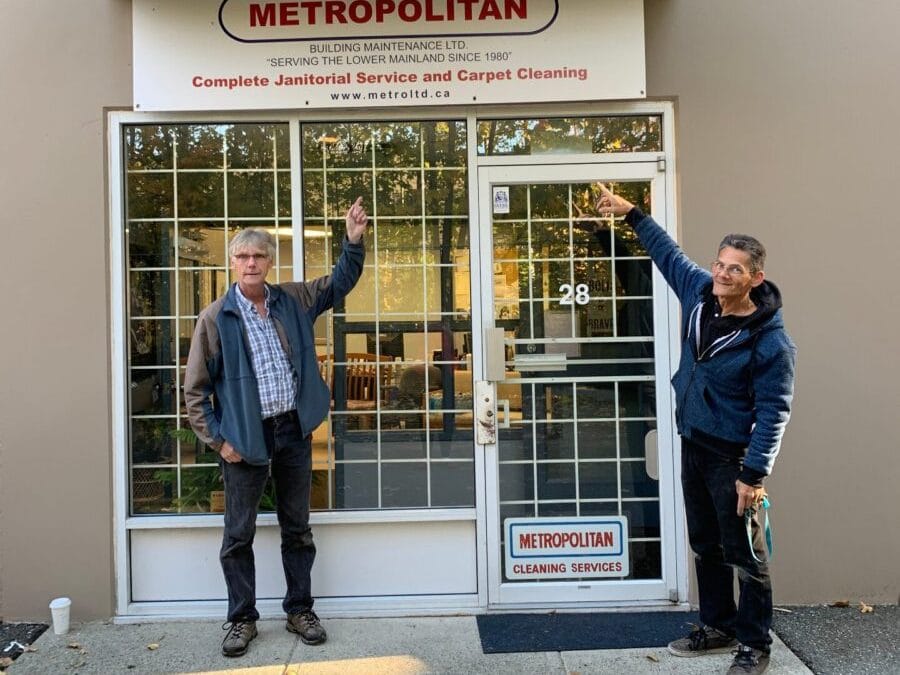
Metropolitan Building Maintenance has been offering commercial cleaning services in the Lower Mainland for over 40 years, with an average customer retention of 14 years. We're Canadian-owned and operated, and if you’re interested in our services, contact us today for a free quote!
Gratitude is extended to Adon Rigg of Insightful Selling for the insights provided in this article. Adon, with a quarter-century of professional sales experience in the cleaning industry, is the author of "Insightful Selling" and the host of the podcast "Cleaning Up In Sales," available on iTunes and YouTube.

