When it comes to keeping your building looking clean, professional, and safe, few tasks are as important—or as overlooked—as regular floor maintenance. One of the most effective ways to protect and enhance commercial flooring is through the stripping and waxing of floors.
This process doesn't just restore shine; it protects your investment, reduces wear and tear, and helps prevent costly repairs down the line.
In this blog, we’ll walk you through what stripping and waxing entails, what to expect during the process, and why hiring a professional is the smart choice for any business.
What Is Stripping and Waxing of Floors?
Stripping and waxing floors is a multi-step floor care procedure designed to remove old layers of finish, clean deep into the surface, and then apply new coats of wax to restore protection and shine.
Here’s how it typically works:
Stripping: Using a commercial-grade stripper and a floor maintenance machine, professionals remove built-up wax, dirt, and grime from the floor’s surface.
Neutralizing & Cleaning: Once stripped, the floor is neutralized to remove any chemical residue.
Waxing: Multiple coats of high-quality wax are applied, drying between each layer to build a smooth, glossy finish.
This process doesn’t just improve the look of your floors—it adds a protective layer that prolongs their life and improves safety.
What Types of Flooring Can Be Stripped and Waxed?
Not all floors are created equal. Here's a quick breakdown of common surfaces suitable for this service:
Vinyl Composite Tile (VCT): Extremely common in offices, schools, and healthcare settings.
Tools of the Trade – Machines, Waxes, and Green Products
Professionals use specialized equipment and products to deliver high-quality results:
Types of Floor Machines
Low-Speed Buffers: Ideal for stripping wax and dirt.
High-Speed Burnishers: Used to polish and shine floors.
Auto Scrubbers: Great for cleaning large areas efficiently.
Types of Floor Wax
Acrylic Wax: Most common and cost-effective.
Urethane-Reinforced Wax: Offers extended durability, ideal for high-traffic zones.
Specialty Waxes: Designed for rubber or wood flooring, ensuring proper adherence and finish.
Green Floor Care Products
Environmentally friendly products are available for both stripping and waxing. These are:
Non-toxic and low-VOC (volatile organic compounds)
Safer for people and pets
Ideal for buildings seeking LEED certification or following green policies
Using eco-friendly commercial floor cleaning supplies shows your commitment to sustainability while protecting your indoor air quality.
How to Prepare Your Office for a Strip and Wax Job
Preparation plays a huge role in how smoothly the service goes, and depending on the agreement, you might pay for the janitorial company to do this for you, but if not–
Here’s what to expect:
Clear the Space: Remove all furniture, mats, and movable items from the floor area.
Plan for Downtime: Allow time for waxing and curing—typically a few hours, or overnight for large areas.
Communicate with Staff: Let your team know which areas will be inaccessible and why.
Ventilation: Professionals may set up fans and/or open windows to help speed up drying and reduce odour.
Preparing properly helps ensure the floor cleaning services are both effective and efficient.
Why You Should Hire a Professional for Floor Waxing
Attempting to strip and wax a floor on your own may seem cost-effective—but it often leads to damage, uneven finishes, and even safety hazards. Professional floor care services come with:
Expert knowledge of flooring types and compatible products
High-performance machines for even application
Faster turnaround and longer-lasting results
Professionals also have access to commercial floor maintenance equipment and know how to deliver results that meet safety and aesthetic standards.
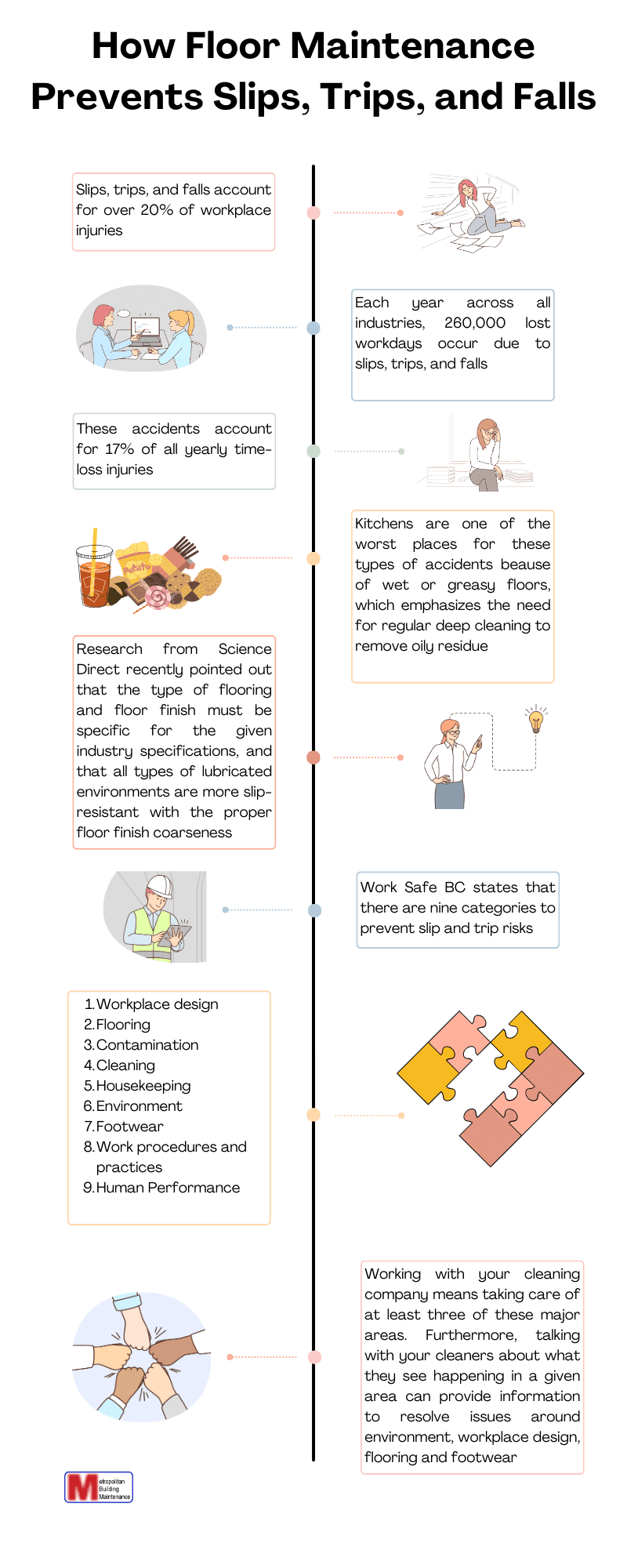
How Floor Cleaning Services Prevent Slips and Falls
One of the major benefits of routine floor maintenance is improved safety. Over time, dirt buildup and worn finishes can reduce traction, making slips and falls more likely.
Proper waxing restores grip and helps prevent injuries—especially in high-traffic or wet areas.
The price of stripping and waxing floors varies depending on:
Square footage
Type and condition of flooring
Number of wax coats required
Furniture removal and prep work
On average, costs range from $0.50 to $2.00 per square foot.
While this may seem like an expense, consistent maintenance helps avoid costly floor replacements and improves your building’s overall appearance—saving money over time.
Long-Term Value of Consistent Floor Maintenance
Routine stripping and waxing of floors is a smart investment.
Not only does it extend the life of your flooring, but it also:
Enhances professional image
Improves employee and customer safety
Reduces long-term maintenance costs
Whether you manage an office, retail space, or healthcare facility, a proactive floor care plan helps protect your assets and your people.
Choosing the Right Floor Care Partner
Not all professional hard floor cleaning services are created equal.
Knowing what to expect during the stripping and waxing of floors helps you plan better, save money, and extend the life of your floors. From the right tools and waxes to green products and industry-specific routines, each detail matters when it comes to maintaining commercial floors.
For reliable, professional, and eco-conscious floor cleaning services, trust a team that understands your flooring inside and out.
Need expert help with your office maintenance or commercial office cleaning? Contact Metropolitan Building Maintenance at 778-565-5435 for dependable service across the Lower Mainland.
When it comes to commercial floor care, one size does not fit all. Different industries place different demands on their flooring—some needing routine cleaning, while others require regular full-service treatments like stripping and waxing.
This blog explores the industries that most frequently invest in floor stripping and waxing, why it matters, and how smart maintenance decisions can protect your floors—and your bottom line.
Why Stripping and Waxing Floors Matters More Than You Think
Stripping and waxing floors involves removing old layers of finish and dirt, thoroughly cleaning the surface, and applying a new protective wax coating.
This process revives a dull or damaged floor, enhances its appearance, and creates a protective barrier that guards against moisture, scuffs, and daily wear.
More importantly, regular floor maintenance is a matter of safety. Slippery, worn-down floors are a leading cause of workplace accidents.
Slips and falls account for over 8 million hospital emergency room visits annually, making them the leading cause of such incidents (source). Stripping and waxing floors regularly can significantly reduce these risks by maintaining traction and cleanliness.
It also saves money. Preventive maintenance can help businesses avoid early floor replacement and expensive structural damage. In fact, the ISSA reports that for every dollar spent on preventative maintenance like floor care, companies save up to $10 in future repairs or replacements.
Different Industries, Different Floor Care Requirements
Every industry has unique requirements when it comes to flooring.
A hospital floor doesn’t experience the same type of traffic—or demand the same cleanliness standards—as a retail store or restaurant. Understanding your specific needs is key to building a sustainable floor maintenance schedule.
Let’s explore which industries strip and wax floors most often and why.
1. Healthcare Facilities
Hospitals, dental offices, and clinics demand rigorous cleaning protocols.
Floors in healthcare environments must be both hygienic and durable, often made of linoleum or vinyl composite tile (VCT). These floors are exposed to heavy foot traffic, frequent disinfecting, and the movement of equipment—all of which degrade wax coatings faster than in other industries.
Stripping and waxing every 2–4 months is common in medical settings.
It helps prevent the spread of pathogens and ensures that floors remain slip-resistant and easy to sanitize. Investing in professional hard floor cleaning services ensures compliance with health regulations and minimizes disruption to patients and staff.
2. Educational Institutions
Schools and universities experience near-constant foot traffic from students and staff.
Gymnasiums, cafeterias, and hallways are particularly hard on floors, often requiring quarterly or semi-annual waxing. Scheduled academic breaks—summer or winter holidays—are the perfect time to complete full stripping and waxing jobs.
Flooring in schools is typically made from VCT or linoleum, both of which respond well to proper waxing.
With the help of commercial floor cleaning supplies and floor maintenance machines, janitorial teams or external floor care services can restore these high-use areas efficiently.
3. Retail and Shopping Centers
In retail, appearances matter. Shiny, clean floors create a positive first impression and encourage customer confidence.
Whether it's a boutique or a large shopping mall, floors take a beating from constant foot traffic, shopping carts, and weather-related debris.
Retail locations often strip and wax floors every 3–4 months to maintain their polished look.
Beyond aesthetics, regular floor waxing also prevents slips and falls, especially in wet weather, contributing to customer and staff safety.
4. Restaurants and Food Service
The combination of food spills, grease, and moisture makes restaurant floors especially vulnerable to wear and tear.
Front-of-house flooring must look presentable, while kitchen floors need to meet health and safety regulations. Stripping and waxing floors in these settings may occur every 2–3 months, depending on usage.
Waxing creates a durable surface that resists stains and helps prevent accidents in these high-risk areas.
To get the best results, restaurants should rely on professional floor cleaning services that use high-grade commercial floor cleaning supplies tailored to greasy environments.
5. Offices and Business Parks
In professional settings, clean floors contribute to brand perception, employee satisfaction, and a healthy workspace.
While offices don’t experience the same level of wear as healthcare or retail spaces, common areas like lobbies, break rooms, and restrooms require attention.
Office buildings typically schedule stripping and waxing two to four times per year.
Prepping for a strip and wax job often involves clearing out furniture, vacuuming, and scheduling the work outside of business hours. Working with professional services ensures minimal downtime and a lasting result.
6. Industrial and Manufacturing Facilities
Industrial spaces like warehouses and factories may not seem like typical candidates for waxing, but floor care plays a crucial role in safety and operational efficiency.
These environments are tough on floors due to heavy equipment, oil, and grime.
Facilities often strip and wax their floors quarterly—or even monthly in high-traffic zones.
The goal is to maintain a clean, safe, and slip-resistant surface. Durable finishes also make it easier to remove oil and debris, reducing long-term cleaning costs and downtime.
7. Government Buildings and Public Facilities
Courthouses, municipal offices, and public libraries see consistent use and must maintain a clean, professional image.
Linoleum and terrazzo are common flooring choices in these spaces. Stripping and waxing is usually done seasonally or semi-annually.
Public buildings often have budgetary and safety requirements that call for professional floor care services to maintain compliance and manage costs effectively.
Types of Flooring That Benefit from Stripping and Waxing
Different materials require different care strategies:
VCT (Vinyl Composite Tile): Found in schools, offices, and retail—ideal for routine stripping and waxing.
Wood Floors: Requires caution. How to strip and wax wood floors involves using low-moisture methods and specialized wax to avoid damage.
Concrete Floors: Found in industrial settings. Often sealed, but still benefits from occasional waxing to reduce dust and wear.
Why You Should Hire Professionals to Strip and Wax Floors
Stripping and waxing may seem straightforward, but doing it improperly can damage flooring and leave residues that attract even more dirt. Professionals bring:
Access to industrial-grade floor maintenance machines.
Knowledge of flooring types and proper chemical use.
Hiring professional floor cleaning services not only ensures better results—it also protects your investment and your reputation.
What to Expect When Preparing for a Strip and Wax Job
A professional team will guide you through prep steps like:
Moving furniture or scheduling around office hours.
Taping baseboards or sensitive surfaces.
Sweeping and prepping the floor before stripping.
Applying and curing layers of wax—often overnight.
The result is a fresh, safe, and professional-looking floor ready to handle whatever your business throws at it.
Floor Maintenance Is an Investment in Your Business
Whether you manage a busy hospital, a bustling retail shop, or a quiet office suite, your floors make an impression.
Routine floor stripping and waxing not only protects your surfaces—it safeguards your staff and customers, reduces liability, and saves money in the long term.
Don’t wait until your floors look worn out. Partner with professional hard floor cleaning services and build a maintenance schedule tailored to your industry. Your floors—and your bottom line—will thank you.
Need expert help with your office maintenance or commercial office cleaning? Contact Metropolitan Building Maintenance at 778-565-5435 for dependable service across the Lower Mainland.
Managing a commercial property is never a one-season job. While your maintenance schedule likely covers the basics, truly proactive property managers know that seasonal shifts bring specific demands—especially when it comes to cleanliness, safety, and appearance.
This checklist focuses on seasonal commercial maintenance tasks regarding janitorial cleaning, floor care, carpet cleaning, exterior window washing, and parking lot cleaning.
With the right strategy and service providers, your property will remain pristine, professional, and ready for whatever the season brings.
Spring: Refresh and Recover from Winter
Spring is the time to reset. After months of heavy foot traffic, damp conditions, and salt or grit buildup, commercial properties need focused attention.
Spring Priorities:
Deep Dusting and Vent Cleaning Dust from closed windows and heating systems affects indoor air quality. Use janitorial cleaning services to thoroughly clean vents, baseboards, and high surfaces.
Floor Maintenance and Resealing Winter wear calls for machine scrubbing or resealing—especially on VCT or tile. Partner with a maintenance cleaning provider that specializes in spring floor restoration.
Parking Lot Cleaning Sand, gravel, and salt residue can deteriorate surfaces. Pressure washing is a key element of commercial property maintenance in spring.
Summer: Shine and Maintain
Summer brings better weather—and a chance to tackle outdoor and aesthetic improvements that reinforce your building’s professionalism.
Summer Priorities:
Exterior Window Washing (High-Frequency) Longer daylight hours mean more visible smudges and streaks. Find the right cleaning frequency with a skilled commercial cleaner.
Day Porter or Light Janitorial Service With more visitors and employees on-site, consider daytime janitorial service to maintain high-traffic areas, restrooms, and common spaces.
Parking Lot Re-striping and Sealcoating A freshly striped and sealed lot improves both safety and curb appeal. Consider it a key part of building & maintenance.
Monitor for Mould and Moisture Humidity can cause hidden moisture issues. Address these early with targeted cleaning services for commercial interiors.
Fall: Prepare for the Cold
Fall is the transition phase—perfect for preparing your property for harsh winter conditions and keeping it clean as the weather turns wetter.
Fall Priorities:
Matting Systems & Entryway Cleaning Install heavy-duty mats and increase office maintenance to minimize dirt tracked inside.
Carpet & Upholstery Cleaning Fall is the time to remove allergens and embedded summer dust with professional carpet cleaning services.
High Dusting and Light Fixture Cleaning Heating systems kick up dust—book standard janitorial services to clean ceiling vents, fans, and lights.
Final Exterior Window Cleaning Before Winter A pre-winter wash removes debris that could freeze and stain surfaces. This is particularly important in wetter climates like Vancouver, BC.
Parking Lot Sweeping & Drain Clearing Leaves and debris clog drains, increasing flood risks. Include lot sweeping and water-flow checks in your building cleaning plan.
Winter: Keep It Safe and Sanitary
Winter is about keeping interior environments clean, dry, and safe for tenants and visitors while minimizing weather-related wear.
Carpet Spot Cleaning & Deodorizing Moisture buildup leads to odours and stains. Spot treatment is key to maintaining clean, fresh environments.
Restroom and Touchpoint Sanitization Cold and flu season heightens the need for sanitization. Use janitorial services focused on high-touch points, fixtures, and communal areas.
Indoor Window Spot Cleaning Prevent smudges and condensation buildup with ongoing window maintenance, especially in customer-facing areas.
Snow Debris in Parking Areas Even with plowing handled externally, follow up with maintenance cleaning to remove residue and prevent slip hazards.
Choosing a Partner for Year-Round Commercial Maintenance
Executing a strong seasonal plan means having a dependable, all-in-one provider.
Local knowledge is also critical. An experienced team specializing in building maintenance in Vancouver, BC, understands climate-specific needs and offers tailored janitorial services with a commitment to eco-friendly cleaning.
For commercial property managers in Vancouver, partnering with the right building maintenance company can make or break your operational success. From daily janitorial cleaning to long-term asset care, having a professional team protects your investment, keeps tenants happy, and ensures compliance with evolving regulations.
But with so many companies offering everything from office maintenance to building cleaning, how do you choose the right fit?
In this guide, we'll walk you through what to look for in a Vancouver building maintenance partner—and what red flags to avoid—so you can build a smart, sustainable vendor relationship.
Why Choosing the Right Maintenance Partner Matters
Your building is a 24/7 operation. The right building maintenance partner should support all aspects of its function—cleaning, safety, preventive care, and emergency response.
And in Vancouver, there are added layers of complexity: green building requirements, seismic safety codes, and climate challenges unique to the region. Your partner must be more than just a cleaning company—they should be a proactive steward leading you toward a consolidated approach.
Full-Service Janitorial – Comprehensive day and night cleaning for offices and common areas, including waste removal, restroom sanitation, touchpoint disinfection, and eco-conscious products that promote healthier indoor environments.
Floor Maintenance – Professional floor stripping, waxing, and ongoing care to protect VCT, linoleum, and other hard-surface flooring types. Proper maintenance extends floor life and ensures compliance with workplace safety standards.
Window Cleaning (Interior & Exterior) – Streak-free, scheduled service for windows on up to three stories, enhancing curb appeal and natural lighting.
Carpet Cleaning – Deep extraction, steam cleaning, and spot removal services that prolong the life of carpet while removing allergens and odours.
Janitorial Supplies – Streamlined supply management, including inventory and delivery of paper products, soap, sanitizer, and dispensers to ensure your space is always stocked and compliant.
Parking Lot Cleaning – Seasonal debris removal and trash pickup to improve property appearance and reduce liability risks.
Construction Clean-Ups – Post-renovation or tenant turnover cleaning that handles everything from dust and debris removal to final polishing, preparing the space for handover or occupancy.
Pressure Washing – Exterior surface cleaning for building façades, sidewalks, and entryways using environmentally safe techniques that remove dirt, graffiti, and mildew.
Eco-Friendly Products & Methods – All services should have the option of being delivered using certified green products (such as EcoLogo and Safer Choice) and sustainable work practices that support your ESG and LEED goals.
Light Preventive Maintenance – Routine building checks, minor repairs, light bulb replacements, and filter changes that help prevent costly breakdowns and ensure regulatory compliance.
What Sets a Professional Maintenance Company Apart
A high-performing maintenance company doesn’t just mop floors—it helps manage risk, impress tenants, and protect your investment.
Take this real-world checklist when evaluating potential vendors:
✅ Are they certified by industry standards like BOMA BEST
✅ Are they fully insured and WorkSafeBC compliant? (WorkSafeBC)
✅ Do they have experience with comparable sites in the Lower Mainland?
✅ Do they use software or apps for transparency and reporting?
✅ Can they provide references from clients with similar properties?
A professional partner will not only check these boxes but also show initiative in problem-solving, clear communication, and continuous improvement.
Sustainability & Compliance in Vancouver: The New Standard
With climate targets tightening and new building policies emerging, sustainability isn't optional—it’s expected.
In Vancouver, buildings account for over 50% of carbon emissions, prompting initiatives like the Zero Emissions Building Plan. Your maintenance partner must support your goals by:
🚩 Vague Contracts If the service agreement lacks specific schedules or responsibilities, expect inconsistency.
🚩 Untrained Staff Workers without WHMIS training or PPE protocols can pose safety risks and liability issues.
🚩 No Emergency Plans When pipes burst or power goes out, you need more than a voicemail box. Ask about their emergency callout system and response time.
These red flags can signal deeper issues with accountability, communication, and culture.
How to Vet the Right Fit (Beyond the Brochure)
Great partnerships begin with great questions. When evaluating a janitorial service, go beyond surface-level pitches.
Here’s a vetting process that works:
Step 1: Ask for a service matrix and cleaning schedule tailored to your site.
Step 2: Meet the team lead who will be on-site. This gives insight into daily service quality.
Step 3: Inquire about reporting and scheduling tools. Good providers use platforms like Swept or CleanTelligent, or have in-house systems developed.
Step 4: Visit another site they service—this shows results in action.
Step 5: Review their health & safety program to confirm WorkSafeBC alignment.
Step 6: Understand how their inspections work and how often they will perform them.
A good maintenance partner won’t just tolerate this scrutiny—they’ll welcome it.
Why a One-Stop Shop Saves Time and Money
Imagine fewer invoices, fewer calls, and fewer dropped balls. That’s what you get with a full-service commercial property maintenance company.
What’s included:
Janitorial cleaning services
Preventive maintenance
High-touch disinfection
Exterior building cleaning
Carpet cleaning
Floor maintenance
Window services
When one team handles all of these tasks, you gain consistency and cost control. There’s less friction and more accountability across the board. The fewer vendors you manage, the more time you reclaim for strategic property management.
The Vancouver Factor: Why Local Matters
Every city has quirks. In Vancouver, it's the damp weather, seismic regulations, and sustainability mandates that shape how buildings are maintained.
A local commercial cleaner or janitorial services team understands:
How to combat mould, moss, and corrosion from coastal rain
Energy benchmarking and emissions reporting for large properties
They’re also faster to respond to emergencies and more attuned to Lower Mainland real estate expectations. When your maintenance partner knows the local playbook, you win on speed, safety, and service.
Make the Choice for Longevity
Whether you manage a single office building or a large commercial portfolio, your janitorial services and maintenance strategy have a direct impact on tenant satisfaction and property performance.
Choose a provider who brings structure, systems, and local experience to the table. If you’re searching for reliable, professional commercial cleaning services or comprehensive commercial janitorial services, don’t settle for less than a full-service partner.
Need expert help with your office maintenance or commercial office cleaning? Contact Metropolitan Building Maintenance at 778-565-5435 for dependable service across the Lower Mainland.
Building maintenance isn’t just about keeping things tidy—it’s about protecting your investment and making sure tenants and visitors stay safe, healthy, and impressed.
If you're managing office buildings, retail spaces, or commercial properties in Vancouver, BC, these seven maintenance tasks should never be skipped.
1. Full-Service Janitorial Cleaning
Routine janitorial services are the foundation of a healthy and professional commercial environment.
They keep lobbies, workspaces, restrooms, and shared areas clean, sanitized, and inviting. Skipping this essential task can lead to health risks, tenant complaints, and a poor brand image.
Why it matters:
Promotes health & hygiene – Reduces germs, allergens, and the spread of illness.
Improves productivity – A clean workspace supports better employee focus.
Protects your image – First impressions count, especially in high-traffic offices.
A consistent janitorial program is a small investment that prevents big headaches.
2. Carpet Cleaning
Carpet cleaning in commercial buildings is more than cosmetic—it’s about health, air quality, and asset protection; cleaning carpets can actually save you money. High-traffic areas trap dirt, allergens, and odours that can degrade your carpets and the building’s indoor environment.
Skipping this task reduces carpet lifespan and contributes to poor tenant experiences.
Problems you’ll avoid:
Poor air quality – Deep-cleaning removes up to 90% of carpet contaminants.
Premature wear – Extend your carpet’s life by up to 50%.
Unprofessional appearance – Stains and smells turn tenants and clients off.
Without regular floor waxing, and stripping and waxing restoration cycles, surfaces become dull, scratched, or slippery—posing hazards and hurting your image.
Property managers should make this part of their routine maintenance strategy.
Don’t skip this because:
It prevents slips and falls – Poor floor care is a major safety issue.
It saves money – Replacing floors is far more expensive than maintaining them.
It boosts your brand – Clean, shiny floors reflect professionalism.
Shiny, well-maintained floors show your tenants and clients that you care.
4. Exterior Window Cleaning
Clean windows do more than let in light—they uplift morale and show tenants and visitors that your property is well-managed.
Dirt, smudges, and grime reduce the appeal of the building and can even cause permanent damage to glass surfaces over time. A regular exterior window cleaning schedule is essential for any commercial property.
Why it’s essential:
Lets in natural light – Up to 20% more, reducing energy costs.
Improves curb appeal – Clean windows send the right message to tenants and clients.
Prevents damage – Dirt buildup can permanently stain or etch the glass.
Your windows reflect your building—keep them clean to reflect excellence.
5. Pressure Washing of Entrances & Building Exterior
Over time, outdoor surfaces like sidewalks, entryways, and building exteriors collect grime, mildew, and pollutants.
These not only make your property look neglected but can also damage materials and create slip hazards. Routine pressure washing preserves surfaces, improves safety, and enhances curb appeal.
Here’s what you gain:
Preventative maintenance – Can reduce future repair costs by 30%.
Higher property value – Clean exteriors boost value by 5–10%.
Safer surfaces – Removes slippery buildup on walkways and stairs.
Freshly washed exteriors send a strong, positive message to everyone who visits.
6. Parking Lot Cleaning
Your parking lot is the first and last thing visitors see—and it's often overlooked.
Oil stains, debris, and trash can quickly accumulate, leaving a negative impression and creating safety hazards. Regular parking lot cleaning ensures safety, aesthetics, and property longevity.
Keep it clean to:
Reduce hazards – Remove oil, debris, and tripping risks.
Enhance curb appeal – Clean lots show tenants you care.
Avoid liability – Fewer accidents mean fewer insurance claims.
After construction or renovations, dust and debris can linger in every corner, making spaces unusable. Professional construction cleanups ensure these areas are safe, polished, and ready for occupancy.
This is a must-have service for property managers prepping for new tenants or reopening spaces.
Don’t skip it—here’s why:
Health & safety – Remove dust, debris, and sharp objects.
Tenant readiness – A clean space is move-in ready.
Time savings – Avoid delays by hiring pros who specialize in janitorial cleaning services.
Work with a building maintenance company that handles all phases—from debris removal to fine detailing.
Make Your Property a No-Hassle Property
These seven building & maintenance tasks aren't optional—they're essential.
Whether it’s daily janitorial service, quarterly floor maintenance, or seasonal pressure washing, skipping them can cost you in repairs, lost tenants, and your reputation.
Metropolitan has been providing complete building maintenance services to the Lower Mainland since 1980, and our customers love our work. Check out our service page for more information, or contact us to get a free estimate.