Professional window cleaners provide comprehensive window cleaning and power washing services designed to maintain the pristine condition of commercial properties. Their expertise, combined with the necessary equipment and safety protocols, ensures a high-quality job that meets client expectations.
Additionally, professional window cleaners understand the importance of using the right cleaning solution and techniques to protect delicate glass and surrounding materials, ensuring that every job is completed with precision and care.
Understanding Window Cleaning and Power Washing Services
What Are Window Cleaning and Power Washing Services?
Window cleaning and power washing services encompass a range of cleaning solutions aimed at maintaining both the windows and exterior surfaces of commercial buildings. These services include cleaning exterior window glass, interior windows, outdoor window surfaces, gutters, siding, decks, and other outdoor spaces.
The combination of window cleaning and pressure washing provides a holistic approach to property maintenance, addressing both the visual and structural aspects of a building’s exterior.
Differences Between Window Cleaning and Power Washing
Window cleaning primarily focuses on glass surfaces, ensuring clean glass and clear views, while power washing targets exterior surfaces like siding, concrete, and decks to remove dirt, grime, and buildup.
Power washing utilizes high-pressure water, sometimes heated, to break down and remove stubborn dirt and stains that accumulate on outdoor spaces. Window cleaning, on the other hand, involves a detailed window cleaning process that includes scrubbing, rinsing, and wiping to achieve a streak-free finish on all the windows, including hard-to-reach windows.
Importance of Regular Maintenance
Regular window cleaning and power washing prevent the accumulation of dirt and biological growth that can degrade building materials, leading to costly repairs if left untreated.
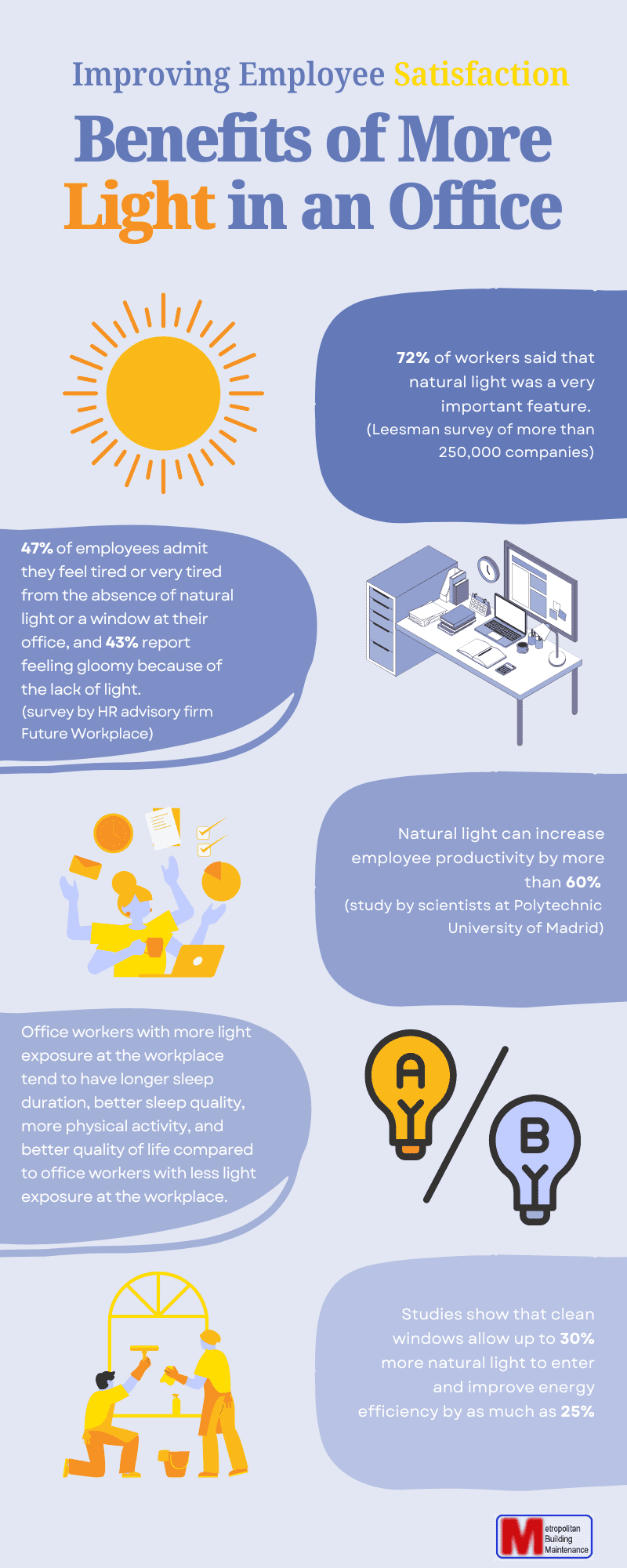
Consistent cleaning helps maintain clean water runoff, prevents damage to gutters and siding, and keeps outdoor window surfaces free from grime and buildup. For businesses, maintaining a clean exterior can also enhance brand image and customer confidence and increased light in offices actually leads to increased productivity.
The Role of Professional Window Cleaners
Training and Expertise
Professional window cleaners are trained to handle a variety of surfaces and use the appropriate cleaning solutions and equipment safely and effectively.
Their knowledge includes understanding how to remove loose dirt, stubborn dirt, bird droppings, and other contaminants without damaging the glass or surrounding materials. They are also skilled in working at heights and using safety equipment to access all windows safely.
Use of Necessary Equipment
The necessary equipment includes ladders, water-fed poles, squeegees, brushes, hoses, buckets, and safety harnesses to reach all windows, including hard-to-reach windows.
Water-fed pole systems are particularly effective for outdoor window cleaning, using deionized water to prevent water spots and deliver a streak-free finish. Pressure washers with adjustable PSI settings are used for power washing exterior surfaces without causing damage.
Commitment to Safety
Safety is paramount, with professionals following strict protocols to protect themselves, clients, and property during the window cleaning process. This includes the use of fall protection gear, ladder safety measures, and careful handling of cleaning solutions to avoid spills or damage to furniture and outdoor spaces.
The Professional Window Cleaning Service Process
Site Assessment and Planning
A thorough site assessment helps determine the scope of work, including all the windows to be cleaned, access challenges, and the best cleaning solutions to use. This stage also involves identifying any special requirements for the building, such as delicate glass types or sensitive exterior materials.
Selection of Cleaning Solution
Choosing the right cleaning solution is critical; eco-friendly and biodegradable solutions that effectively remove loose dirt, stubborn dirt, bird droppings, and grime are preferred.
Many professional window cleaning services avoid harsh chemicals to protect the environment and building materials, opting instead for gentle yet effective cleaning solutions that include dish soap or specialized glass cleaners.
Preparation of the Work Area
Preparation involves protecting furniture, outdoor spaces, and landscaping from dirty water and cleaning solution runoff.
Coverings and barriers may be used to shield decks, plants, and other surfaces from overspray or dripping water during the cleaning process.
Cleaning Exterior Window Surfaces
Exterior window cleaning involves scrubbing with brushes, spraying with cleaning solution, rinsing with clean or deionized water, and wiping with squeegees to achieve a streak-free finish.
Professionals pay close attention to edges and frames where debris and buildup tend to accumulate, ensuring a thorough clean.
Cleaning Interior Windows
Interior windows are cleaned using similar techniques but with more care to avoid damage to interior furnishings and to ensure a spotless, streak-free finish.
The use of microfiber cloths instead of paper towels helps prevent lint and streaks on interior glass.
Handling Hard-to-Reach Windows
Specialized equipment like water-fed poles and rope access systems is used to clean hard-to-reach windows safely and effectively.
These tools allow window cleaners to reach upper stories without the need for unsafe ladder use, and ensure all windows receive the same high standard of cleaning.
Benefits of Clean Windows and Outdoor Spaces
Enhancing Natural Light and Energy Efficiency
Clean glass allows more direct sunlight into the building, improving energy efficiency and occupant comfort. Increased natural light reduces the need for artificial lighting and can positively impact the mood and productivity of employees and customers.
Improving Property Appearance and Value
Well-maintained windows and exterior surfaces enhance curb appeal, potentially increasing property value and attracting tenants or customers. The clear view through spotless windows creates a positive impression and reflects the professionalism of the business.
Outdoor windows are exposed to dust, pollen, rain spots, and pollution, requiring specialized cleaning approaches. Seasonal changes can increase debris buildup, making regular outdoor window cleaning essential.
Managing Debris and Buildup
Professional window cleaners remove dust, dirt, bird droppings, and other debris that accumulate on outside windows. This prevents staining and damage to glass surfaces and maintains a clear view.
Avoiding Water Spots and Streaks
Using deionized water and proper rinsing techniques helps prevent water spots and streaks on glass surfaces. The use of squeegees and microfiber cloths during the drying phase ensures a streak-free finish.
Pressure Washing: A Complementary Service
What Is Pressure Washing?
Pressure washing uses high-pressure water to clean exterior surfaces such as siding, decks, patios, and sidewalks. It effectively removes stubborn dirt, grease, and mildew that cannot be removed through standard washing.
Hot Water vs. Cold Water Pressure Washing
Hot water pressure washing is more effective at removing oils and grease, while cold water is suitable for general dirt and grime. The choice depends on the surface being cleaned and the type of buildup present.
Soft Washing for Delicate Surfaces
Soft washing uses low-pressure water with biodegradable detergents to clean delicate surfaces like stucco and EIFS without damage. This method extends the life of exterior finishes while providing thorough cleaning.
Equipment Used in Window Cleaning and Power Washing
Squeegees and Brushes
Squeegees provide a streak-free finish, while brushes help scrub away stubborn dirt and debris. The combination ensures thorough cleaning of glass and frames.
Water-Fed Poles and Ladders
Water-fed poles equipped with deionized water allow cleaning of hard-to-reach windows without ladders, enhancing safety. Ladders are used when necessary, following strict safety protocols.
Safety Harnesses and Fall Protection
For high-rise buildings, harnesses and fall protection systems are essential safety equipment. These tools protect window cleaners while working at heights.
Buckets, Hoses, and Cleaning Solutions
Buckets and hoses facilitate the mixing and application of cleaning solutions during the job. Proper equipment ensures efficient workflow and quality results.
The Cleaning Solutions
Eco-Friendly and Biodegradable Options
Many professional cleaners use environmentally safe cleaning solutions that effectively remove grime without harming plants or pets. These solutions are designed to break down dirt and bird droppings while being gentle on glass and frames.
Use of Dish Soap and Avoidance of Paper Towels
Dish soap can be part of cleaning solutions, but paper towels are avoided due to lint and streaking issues. Microfiber cloths and squeegees are preferred for achieving a streak-free finish.
Importance of Proper Dilution and Application
Correct dilution of cleaning solutions ensures effective cleaning without residue or damage. Professionals carefully measure and mix solutions to optimize performance.
The Cleaning Process Step-by-Step
Pre-Rinse to Remove Loose Dirt and Dust
Rinsing with a hose removes loose dirt and dust, preventing scratches during scrubbing. This step prepares the surface for the cleaning solution.
Application of Cleaning Solution
Cleaning solution is sprayed or applied with brushes to break down grime and bird droppings. The solution is allowed to sit briefly for maximum effectiveness.
Scrubbing and Agitation
Scrubbing with brushes targets stubborn dirt and buildup on glass and frames. This mechanical action helps lift contaminants for easier removal.
Rinsing with Clean or Deionized Water
Rinsing removes all cleaning solution and contaminants, preventing water spots. Deionized water is preferred for its purity and spot-free drying.
Drying and Wiping for a Streak-Free Finish
Using squeegees and microfiber cloths, windows are dried to avoid streaks and ensure clarity. Special attention is given to edges and corners.
Additional Services Offered
Mirror and Glass Partition Cleaning
Cleaning services often include mirrors and interior glass partitions for a complete glass care solution. These surfaces require delicate handling to avoid damage.
Cleaning of Screens, Window Sills, and Tracks
Detailing includes cleaning screens, sills, and tracks to remove dust and debris that can interfere with window operation.
Cleaning of Gutters and Downspouts
Gutter cleaning prevents water damage and supports proper drainage. Regular removal of leaves and debris is essential.
Power Washing of Sidewalks, Decks, and Outdoor Spaces
Power washing removes dirt, mildew, and stains from exterior surfaces, complementing window cleaning. This service enhances the overall appearance of the property.
Scheduling and Frequency Recommendations
Typical Service Frequencies
Most commercial properties benefit from window cleaning 2–4 times per year and power washing annually or quarterly, depending on traffic and environment.
Scheduling can be adjusted to minimize disruption to business operations. Many services offer after-hours or weekend appointments.
Safety Considerations in Window Cleaning and Power Washing
Ladder Safety and Fall Protection
Proper ladder use and fall protection equipment reduce accident risks. Training ensures window cleaners use equipment safely.
Handling Hard-to-Reach Windows Safely
Use of water-fed poles and rope access systems enhances safety for high or difficult windows. These methods reduce the need for risky ladder work.
Protecting Property and Personnel
Precautions include covering furniture and outdoor spaces to prevent damage from dirty water or cleaning solutions. Communication with clients ensures awareness of the cleaning process.
Environmental and Health Benefits
Use of Biodegradable Cleaning Solutions
Eco-friendly products reduce environmental impact and promote sustainability. They also minimize chemical exposure for workers and occupants.
Reducing Chemical Exposure
Safe cleaning methods protect workers and building occupants from harmful substances.
Preventing Mould and Mildew Growth
Regular cleaning reduces mould risks on windows and exterior surfaces, contributing to healthier indoor and outdoor environments.
Common Myths and Misconceptions
Myth: Pressure Washing Always Damages Surfaces
Properly calibrated pressure washing is safe for most surfaces when performed by professionals.
Myth: Rain Cleans Windows Naturally
Rain can leave mineral deposits and dirt, making professional cleaning necessary to maintain clean glass.
Myth: DIY Cleaning Is Just as Effective
Professional services use specialized equipment and solutions for superior results and a guaranteed streak-free finish.
How to Choose a Professional Window Cleaning Service
Checking Credentials and Insurance
Ensure the company is licensed and insured to protect your business.
Asking for References and Reviews
Client feedback helps assess reliability and service quality.
Evaluating Equipment and Techniques
Modern equipment and eco-friendly solutions are indicators of a professional window cleaning service.
Understanding Pricing and Guarantees
Clear pricing and satisfaction guarantees provide peace of mind.
Frequently Asked Questions
How often should I schedule window cleaning and power washing?
Frequency depends on location, building type, and environmental factors but generally ranges from 2–4 times per year for window cleaning.
Can pressure washing damage siding or windows?
When performed by professionals using correct pressure settings, damage is unlikely.
Are cleaning solutions safe for the environment?
Many services use biodegradable and eco-friendly solutions.
What safety measures do window cleaners take?
Use of harnesses, fall protection, and proper equipment ensures safety.
The Value of Professional Window Cleaning and Power Washing Services
Regular window cleaning and power washing services are essential for maintaining clean windows, clear glass, and attractive outdoor spaces.
By finding a company that uses the right cleaning solutions, techniques, and equipment, professional window cleaners deliver a hassle-free service that enhances the appearance and longevity of commercial buildings, providing a streak-free finish and clear view for all clients.
Find a Trusted Provider
Metropolitan has been serving the Lower Mainland for over 40 years and has kept our clients for a minimum of 15 years.
Planned commercial carpet cleaning programs reduce long-term flooring costs by extending carpet life from 5-7 years to 10-15 years, while spot cleaning handles daily spills and emergencies before they become permanent damage.
Different Vancouver industries require different methods and frequencies—office towers, retail spaces, healthcare facilities, and strata buildings each have unique needs based on traffic, soil load, and operational constraints.
Carpet type and fibre composition directly affect which cleaning methods are safe and effective, making professional assessment essential before selecting hot water extraction, encapsulation, or low-moisture approaches.
Professional carpet cleaning services deliver superior results with truck-mounted equipment operating at 400 PSI versus rental machines at 100 PSI, recovering up to 97% of soils compared to 60-70% with DIY methods.
Vancouver’s wet coastal climate accelerates carpet deterioration, making proactive maintenance essential for protecting a building's reputation and tenant satisfaction in competitive commercial markets.
Commercial Carpet Cleaning in Vancouver, BC: Why It’s Different from Home Cleaning
Vancouver’s wet West Coast climate creates unique challenges for commercial carpet maintenance. With rain tracked through lobbies eight months of the year and urban pollutants embedded in every footstep, commercial spaces face accelerated wear that residential settings rarely experience.
Commercial carpet in Vancouver office towers, strata corridors, and retail spaces faces constant exposure to moisture, sand, salt, and organic debris from the street. Research indicates that commercial carpets accumulate 1-2 pounds of dirt per 100 square feet annually—a figure likely higher in rainy Vancouver due to increased moisture-trapped debris entering buildings throughout the day.
Building managers, business owners, and decision makers are responsible for both asset value (carpet lifespan, replacement cycles) and reputation (first impressions for tenants, clients, and customers). A worn traffic lane in a downtown lobby sends a message about building management quality that no amount of marketing can overcome.
Scheduled system-wide cleaning at defined intervals
Daily or weekly spot treatment protocols
Method selection based on carpet fibres and construction
After-hours coordination to minimize business disruption
Local considerations also shape commercial carpet cleaning approaches in Vancouver. LEED and green building expectations require low-VOC products, while downtown office buildings often demand after-hours scheduling to accommodate tenant operations in Burnaby, Richmond, and the core.
Commercial Carpet Cleaning vs. Spot Cleaning: What’s the Real Difference?
Full-area commercial carpet cleaning and targeted spot cleaning aren’t competing options—they’re complementary tools in a comprehensive floor care strategy. Understanding when and how to use each determines whether your carpet investment lasts five years or fifteen.
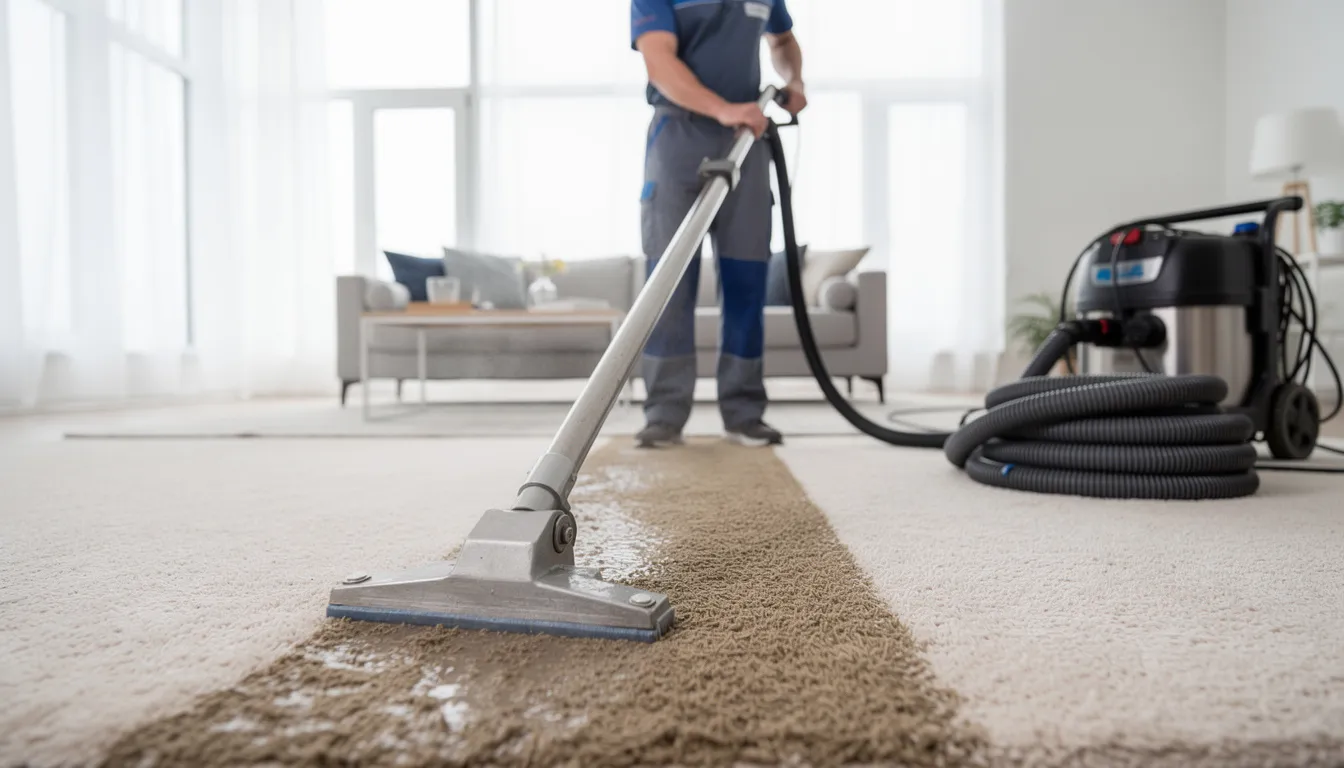
Commercial carpet cleaning refers to scheduled, system-wide cleaning of entire floors, corridors, and lobbies using methods like hot water extraction or low-moisture encapsulation. This cleaning process addresses deep-seated dirt, allergens, and residues that daily maintenance cannot reach.
Spot cleaning is a rapid response for coffee spills, food drops, ink stains, salt marks, and traffic lane spots between major cleans. It involves immediate blotting and specialized cleaning solution application to prevent minor issues from becoming permanent damage.
Here’s where building managers often go wrong:
Approach
Problem Created
Spot cleaning only
Deep soil and residues build up, leading to permanent traffic lanes and early replacement
Infrequent deep cleans only
Day-to-day stains set permanently, making scheduled visits less effective and more expensive
No coordination
Emergency restoration costs spike when small problems become major issues
A balanced plan in Vancouver might include:
Daily in-house spot checks and immediate spill response
Monthly or quarterly interim cleans using encapsulation methods
Annual or semi-annual restorative cleaning for high-traffic areas and lobbies
Post-winter deep clean to address tracked-in salt, sand, and moisture damage
How Commercial Carpet Cleaning Saves Money for Building Owners and Managers
Commercial carpet replacement in Vancouver high-rises and retail plazas runs approximately $5-10 per square foot, not including downtime, furniture moving, and tenant disruption. For a 10,000 square foot office floor, that’s $50,000-$100,000 in replacement costs alone.
Regular commercial carpet cleaning can extend carpet life from 5-7 years to 10-15 years. The math is straightforward:
Scenario
Timeline
Estimated Cost
Annual maintenance plan (10,000 sq ft office)
15 years before replacement
$2,000-$4,000/year + deferred replacement
No maintenance program
5-7 years before replacement
$50,000-$100,000 replacement cost earlier
Beyond direct replacement costs, cleaner carpets reduce complaints, tenant churn, and vacancy risk by preserving a modern, well-maintained appearance in lobbies and common areas. In Vancouver’s competitive office market, these factors directly impact occupancy rates and lease negotiations.
Additional savings come from:
Reduced emergency restoration costs after winter storms or plumbing leaks when carpets are kept free of embedded soil
Protected warranty value—most carpet manufacturers require periodic professional hot water extraction or approved methods
Lower IAQ complaints from dust, allergens, and odours that can spike tenant dissatisfaction
Different Industries, Different Methods: Matching Carpet Cleaning to Your Building Type
Buildings across Metro Vancouver vary widely—Class A offices, medical clinics, hotels, schools, strata halls—and each requires tailored carpet cleaning methods based on traffic patterns, soil types, and operational constraints.
Office Environments
Downtown Vancouver tech offices and corporate towers typically benefit from:
Low-moisture interim cleaning for fast drying (1-2 hours)
Periodic hot water extraction for main traffic lanes and lobbies
After-hours scheduling to avoid disrupting business operations
Focus on heavily soiled areas near elevators and entrances
Retail and Shopping Centres
High-traffic retail environments on Robson Street, at Metrotown, and in outlet malls require:
Frequent interim cleaning due to food spills and constant foot traffic
More aggressive stain removal products for tough stains
Quick-drying methods that minimize store closure time
Attention to entrance mats and transition zones
Hospitality
Vancouver hotels and convention centres prioritize:
Fast-drying methods to avoid guest disruption
Odour control products that neutralize odours without harsh chemicals
Night-time scheduling for common areas
Rapid spot treatment protocols for room turnover
Healthcare and Clinics
Medical facilities near Vancouver General, in Richmond, and throughout Surrey need:
Sanitizing focus over cosmetic appearance
Low-VOC chemicals that protect air quality
Strict process control and documentation
Methods that address mould and mildew growth prevention
Educational Institutions
Schools and post-secondary campuses like UBC and SFU benefit from:
Encapsulation cleaning for carpeted lecture halls and libraries
Scheduled hot water extraction during semester breaks
Durable maintenance programs for high-traffic areas
Budget-conscious frequency planning
Mixed-Use and Strata Buildings
Properties combining residential corridors, amenity rooms, and commercial ground-floor retail require multi-method approaches, often with different frequencies and products for each zone.
Types of Commercial Carpet and What They Mean for Cleaning
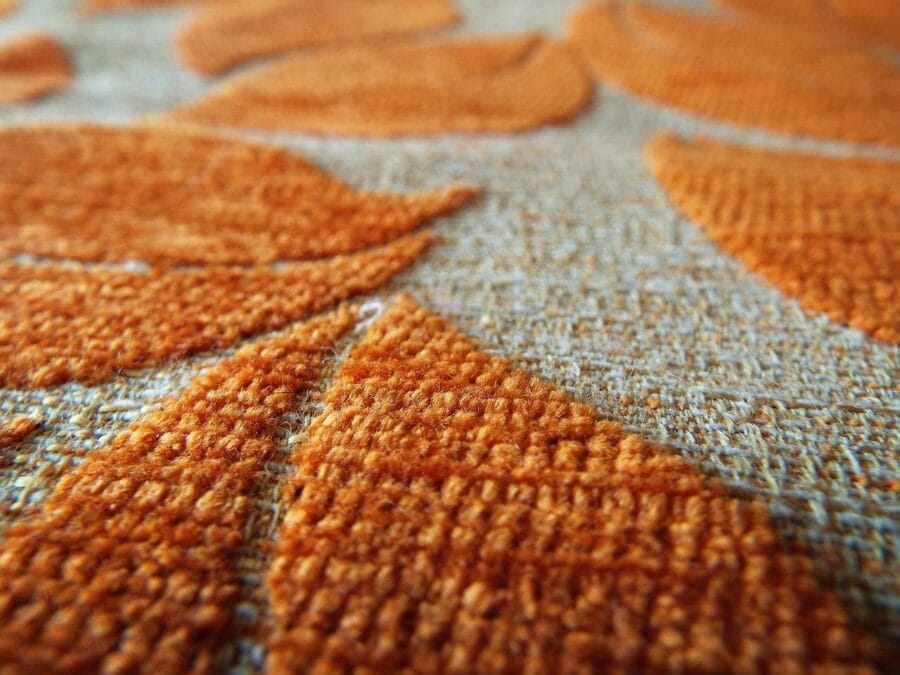
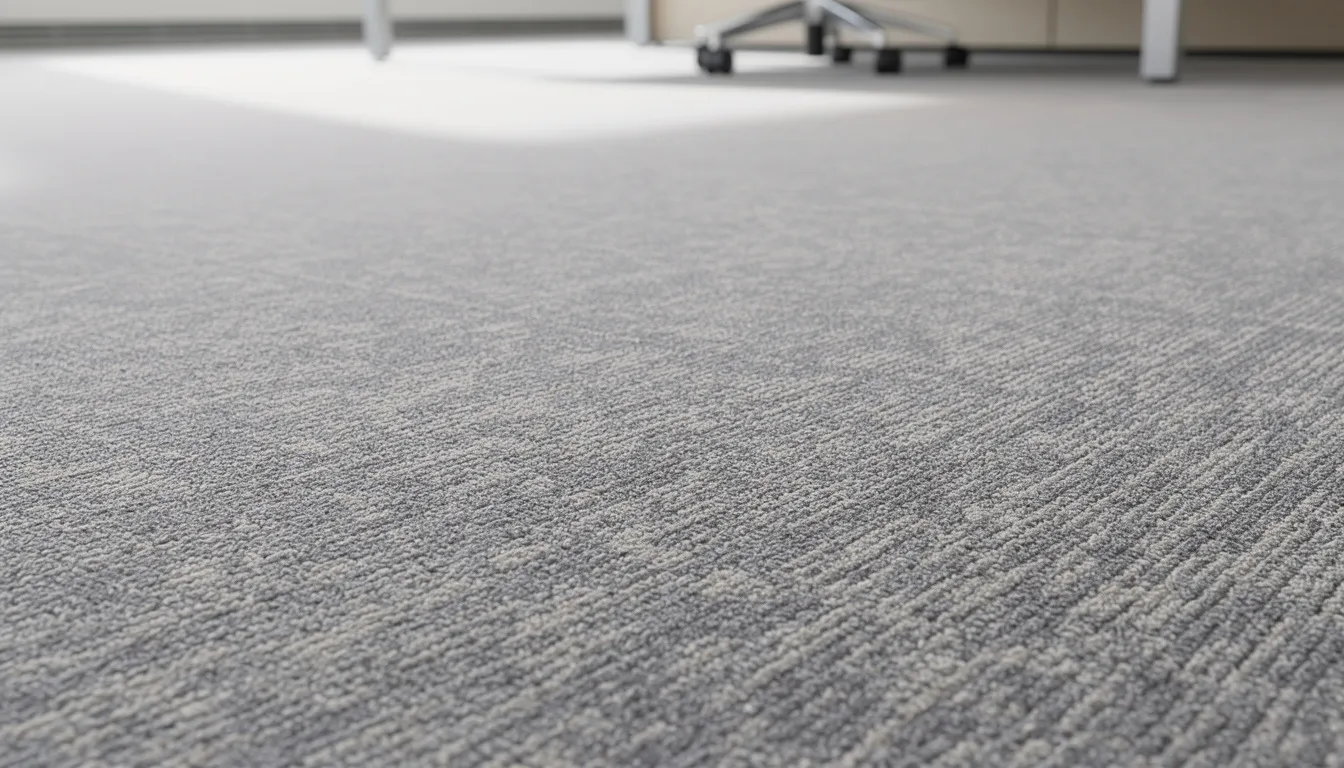
Not all commercial carpets in Vancouver are the same. Fibre type, construction, and backing influence which methods are safe, effective, and recommended by carpet manufacturers.
Common Constructions
Construction
Typical Use
Cleaning Considerations
Loop pile
Office corridors, retail
Durable, hides soil, requires thorough extraction
Cut pile
Executive suites, hotels
Shows traffic patterns more easily
Carpet tiles
Modern offices, data centers
Easy replacement, varied moisture tolerance
Fibre Comparison
Nylon dominates commercial carpet at 50-60% market share:
Excellent durability and stain resistance
Lifespan up to 15 years with proper care
Higher upfront cost but better long-term value
Polyester offers budget-friendly options:
Quick-drying properties
Lower resilience to abrasion
10-year typical lifespan
Suitable for lower-traffic areas
Wool provides natural benefits:
Hypoallergenic properties for health-focused offices
Requires gentle encapsulation methods
Prone to shrinking in humid conditions
Demands WoolSafe-approved cleaners
Polypropylene/Olefin excels in specific applications:
Outstanding water resistance for entries
May fade under UV exposure
Good for moisture-heavy Vancouver lobbies
Backing and Construction Factors
Some backing systems and raised access floors limit moisture tolerance, making low-moisture or encapsulation cleaning preferred. Patterned and multicoloured carpets can hide soil visually, which risks under-cleaning unless managers follow a set schedule instead of cleaning “by eye.”
Choosing the Right Cleaning Method: Hot Water Extraction, Encapsulation & More
This section helps building managers and decision makers discuss carpet cleaning methods intelligently with vendors—not as a DIY manual, but as a framework for informed decisions.
Hot Water Extraction
Often called steam cleaning (though no actual steam is involved), hot water extraction injects heated cleaning solution at 100-400 PSI to dissolve oily soils, then vacuums them out. Best suited for:
Heavily soiled corridors and entryways
Annual or semi-annual deep clean cycles
Restorative cleaning of neglected carpets
Consideration: Drying time of 8-24 hours, which Vancouver’s humidity can extend.
Low-Moisture Encapsulation
Applies polymer detergents via counter-rotating brushes, crystallizing dirt for vacuum removal:
Fast drying in 1-2 hours
Ideal for interim cleaning in offices
Minimal disruption to operations
Excellent for buildings with tight scheduling constraints
Bonnet/Pad Cleaning
Uses a damp pad on a rotary machine for surface-level refreshing:
Quick appearance improvement
Drying time of 30-60 minutes
Should complement, not replace, periodic extraction
Best for light maintenance between deep cleans
Dry Compound Methods
Spreads absorbent granules agitated by machines:
Near-zero moisture with immediate use
Perfect for data centers and areas with sensitive equipment
Suitable for 24/7 operations where downtime is impossible
Protects electronics and furniture from water exposure
Vancouver Climate Considerations
Vancouver’s humid climate makes drying time, ventilation, and mould prevention critical factors in method selection. Methods that work well in drier climates may leave carpets damp too long, creating conditions for mildew growth and musty odours.
How Often Should Commercial Carpets Be Cleaned in Different Vancouver Industries?
The following guidelines help decision makers plan appropriate maintenance schedules.
Building Type
Deep Cleaning
Interim Cleaning
Daily Maintenance
Downtown office towers
Every 6-12 months
Monthly or quarterly
Vacuum high traffic areas
Retail/food service
Quarterly
Weekly or bi-weekly
Spot cleaning as needed
Healthcare facilities
Quarterly to semi-annually
Monthly
Daily spot cleaning, sanitizing
Strata residential
Annually minimum
As needed
Regular vacuum schedule
Hotels
Bi-monthly
Weekly
Daily room-by-room
Vancouver’s rainy season—typically October through March—increases tracked-in moisture and soil significantly. Many buildings schedule an additional post-winter cleaning to address accumulated salt, sand, and grime that regular cleaning cannot fully remove.
Why Professional Commercial Carpet Cleaning Beats DIY for Vancouver Buildings
The temptation to rent small machines or rely on janitorial staff alone is understandable from a budget perspective. However, this approach often backfires in large commercial spaces, costing more in the long run.
Equipment Differences
Professional Vancouver commercial carpet cleaners use truck-mounted or high-capacity portable equipment:
Factor
Professional Equipment
Rental/DIY
Pressure
400 PSI
100 PSI
Soil recovery
Up to 97%
60-70%
Water extraction
High-powered vacuum
Basic suction
Heat generation
120-200°F
Variable
Technical Expertise
Trained technicians understand:
Fibre identification and appropriate treatment
pH balance for different carpet types
Spotting chemistry to prevent colour loss or shrinkage
Techniques to prevent wick-back stains
Operational Advantages
Professional carpet cleaners can:
Schedule after-hours or overnight work in downtown towers
Coordinate elevator bookings and protect common areas
Complete large projects efficiently with specialized equipment
Provide documentation for warranty compliance
Risk Mitigation
Professional firms carry appropriate insurance, complete safety training, and meet WorkSafeBC requirements—protecting building owners and management companies from liability.
Critical warning: Improper DIY cleaning can void carpet manufacturer warranties and lead to rapid re-soiling from leftover detergent residues. The cost savings from DIY approaches often disappear when carpets need early replacement.
What Building Managers Should Do Before a Commercial Carpet Cleaning Visit
Proper preparation ensures efficient cleaning with minimal disruption. Use this checklist when coordinating with commercial carpet cleaning services:
Coordination Tasks
Communicate with tenants about scheduled work and any access requirements
Clear floor space where possible—move loose items, file boxes, small furniture
Arrange building access, including keys, fobs, elevator bookings, and loading dock permissions
Technical Preparation
Protect sensitive electronics by elevating computer towers, UPS units, and cables off the floor
Identify problem areas, including persistent pet odours, known leak zones, or recurring stains
Confirm ventilation availability to support faster drying time
Logistics
Verify quiet hours and any noise restrictions in older downtown properties
Arrange parking for truck-mounted equipment if applicable
Confirm water access points and any constraints on water use
Communicating special concerns in advance—whether about specific stains, odours, or areas requiring extra attention—allows technicians to pre-plan solutions and bring appropriate specialized equipment.
How Clean Carpets Support Your Building’s Reputation and Tenant Experience
In Vancouver’s competitive office and retail markets, lobbies and corridors act as a building’s calling card. First impressions form within seconds, and carpet condition plays a significant role in how visitors perceive overall building quality.
Clean carpets and odour-free carpets in entrances, elevators, and boardrooms signal professionalism and competent management. Conversely, stained or worn traffic lanes drag down perceived building class—even when other elements like views, HVAC, and location are strong selling points.
For building management companies, consistent carpet care provides visible proof of service quality to strata councils, corporate asset owners, and prospective tenants. It’s tangible evidence that management pays attention to details.
Recommendation: Incorporate carpet condition into regular building walk-throughs and treat cleaning as part of reputation management, not just a janitorial expense line item.
Frequently Asked Questions about Commercial Carpet Cleaning in Vancouver
How long does commercial carpet take to dry after professional cleaning?
Typical drying times in Vancouver range from 2-6 hours for low-moisture methods and 6-12 hours for full hot water extraction, depending on ventilation and humidity levels. Building managers can speed drying with HVAC adjustments, open airflow where possible, and use temporary fans in enclosed corridors.
Can commercial carpet be cleaned during business hours?
Low-moisture and encapsulation methods can sometimes be performed during business hours in low-traffic zones, thanks to fast drying—often under two hours. However, most Vancouver office towers prefer evening or weekend work for lobbies, main corridors, and boardrooms to minimize disruption.
For 24/7 operations or medical facilities that cannot close areas entirely, consider phased projects that clean sections sequentially while maintaining access to other areas.
Will professional carpet cleaning disrupt other building services?
Experienced commercial cleaning services coordinate with building operations to manage elevator use, water access, and noise around sensitive tenants. Truck-mounted systems may require short-term exterior parking and hose runs, which should be planned with security and loading dock staff in advance.
Scheduling work outside peak times for deliveries, waste collection, and other building services minimizes conflicts and keeps the process running smoothly.
How do I know which carpet cleaning method is right for my building?
Arrange a site visit where a professional assesses carpet type, age, traffic patterns, and existing issues before suggesting methods. Different areas within the same Vancouver building—lobby versus upper corridors versus tenant suites—may benefit from different approaches.
Ask for a written maintenance plan outlining methods, frequencies, and warranty considerations. This document becomes your roadmap for protecting carpet investment over time.
Is eco-friendly commercial carpet cleaning effective enough for heavy traffic areas?
Modern low-VOC and eco-labelled products can be highly effective when combined with proper equipment and technique. Many Vancouver properties pursuing green building standards find that responsible cleaning products deliver excellent results without sacrificing performance.
Request product information and safety data sheets from your provider to ensure compliance with internal sustainability policies and tenant health requirements. Upholstery cleaning services often use similar eco-friendly approaches that building managers can apply consistently across furniture and floor care.
Find a Trusted Provider
Metropolitan has been serving the Lower Mainland for over 40 years and has kept our clients for a minimum of 15 years. We use hot water extraction as our primary method in order to restore carpets and decrease the soil deposited at the deepest levels. We can also provide additional methods wherever they're needed.
A full strip and wax is essential when floors show deep yellowing, embedded grime, or uneven shine that routine cleaning cannot restore—but lighter scrub-and-recoat cycles often suffice for floors in better condition.
Different industries demand different schedules: healthcare and retail may need strip and wax cycles every 6-12 months, while offices and low-traffic spaces can often wait 12-24 months or longer.
Not all flooring types should be stripped—some luxury vinyl tile, sealed wood, and factory-finished surfaces can be damaged by aggressive strippers.
Professional floor cleaning services reduce slip and fall risk, ensure chemicals and equipment are used correctly, and deliver a consistent floor appearance that in-house teams often cannot match.
What Is Stripping and Waxing Floors?
Stripping and waxing of floors is a multi-step process used primarily on resilient hard surface flooring in commercial spaces like offices, schools, clinics, and retail environments. The goal is to remove old layers of finish that have accumulated dirt, yellowed, or lost their protective qualities—then apply fresh coat layers to restore both appearance and protection.
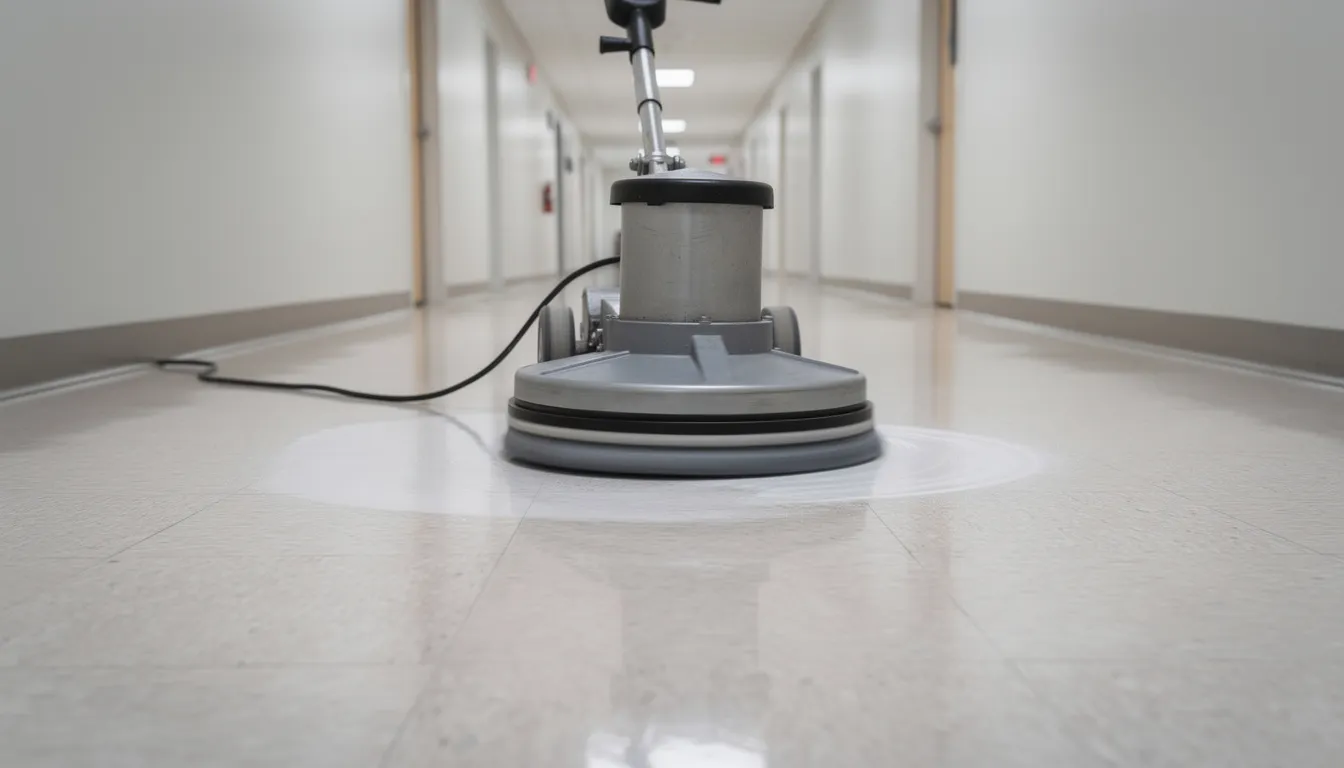
Floor stripping involves using a floor maintenance machine equipped with aggressive pads and a chemical stripper to dissolve and remove old wax, embedded soil, and buildup down to the bare or sealed surface. Technicians apply the stripping solution in sections, allow it to dwell for approximately 10 minutes to penetrate the old finish, then agitate with a rotary machine to grind up the liquefied wax and grime. The resulting slurry is recovered with a wet vacuum before it dries.
Floor waxing (sometimes called refinishing) follows stripping and consists of applying multiple coats of commercial floor finish—typically 3-6 thin layers—to protect the surface and restore gloss. A sealer may be applied first to fill pores in the flooring material, ensuring even finish adhesion. Once cured, the finish is often burnished with a high-speed buffer to harden and maximize shine.
Typical floor types that benefit from this process include:
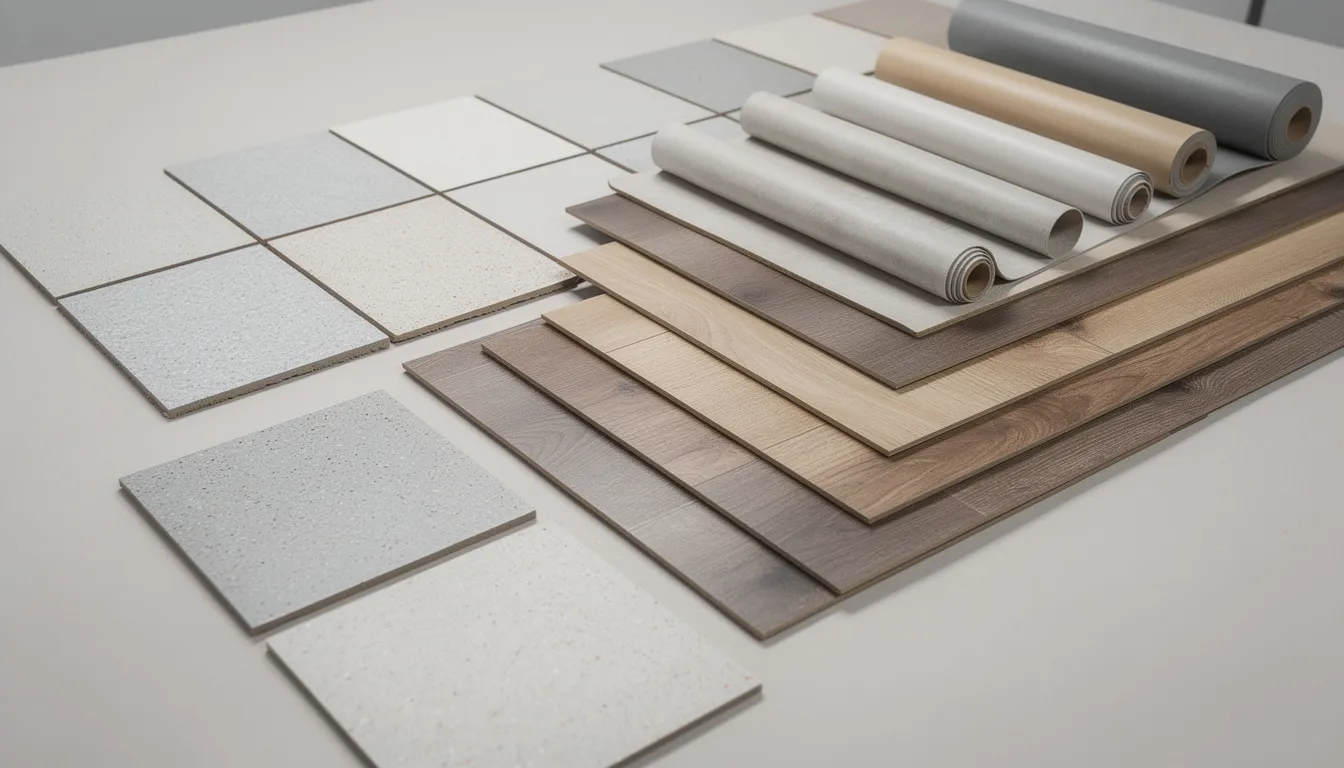
Vinyl composition tile (VCT)
Linoleum flooring
Sheet vinyl
Some sealed concrete
Older resilient tiles
It is important to distinguish between a full strip and wax job and lighter procedures. A scrub-and-recoat removes only the top soiled layer of finish and applies fresh coats without stripping to the bare floor. Spray buffing restores shine temporarily without removing any finish. These alternatives are faster and less expensive but cannot address deep buildup or compromised finish layers.
When Stripping and Waxing Floors Is Truly Necessary
Building managers and business owners often wonder how to tell the difference between a floor that needs routine cleaning and one that requires a full strip and wax. The distinction matters because a full strip and wax involves more time, cost, and disruption—but delaying when it is genuinely needed creates bigger problems.
Visual and performance cues that signal a full strip and wax:
Deep yellowing that does not respond to scrubbing or burnishing
Embedded dirt visible in the finish layers that auto scrubber passes cannot remove
Dull or uneven shine, especially noticeable traffic lanes between high-use areas and edges
Tacky or sticky feel underfoot
Visible scratches and wear patterns that expose underlying floor material
Common triggers for scheduling a strip and wax project:
Annual shutdown periods when the building is unoccupied
Post-construction or renovation cleanup
After heavy winter salt and sand buildup that has been ground into the finish
Before major events, inspections, or tenant turnover
Compromised finish layers can increase slip risk. Worn, patchy coatings or surfaces that have been over-burnished may lose their intended traction. A fresh coat of properly applied finish restores a consistent surface with predictable friction, reducing the likelihood of slips and falls.
Flooring manufacturers’ maintenance guidelines often specify periodic stripping and waxing for resilient floors to preserve warranties and maximize longevity. Ignoring these recommendations can void coverage and accelerate wear.
When Stripping and Waxing Floors Is NOT Necessary
A full strip and wax is not always the most cost-effective or safest choice. Decision makers should be careful to avoid over-stripping, which wastes budget and can actually shorten floor life.
Situations where a scrub-and-recoat is the better option:
Finish is dull but still intact without deep buildup
Scuffs and marks are superficial and respond to machine scrubbing
Traffic lanes are visible but the underlying floor shows no damage
The last strip and wax was recent and finish layers remain well-bonded
Floor types where stripping and waxing may be discouraged or unnecessary:
Flooring Type
Typical Guidance
No-wax luxury vinyl tile (LVT)
Often designed to never receive traditional wax; stripping can damage the factory finish
Some engineered wood
Should be screened and recoated, not chemically stripped
Factory-coated laminates
Strippers can dissolve protective coatings and cause irreversible damage
Sealed epoxy or urethane concrete
May require specialty coatings rather than traditional wax
Over-stripping resilient floors like linoleum can weaken adhesive bonds, cause delamination, and introduce unnecessary mess and downtime. The materials and labour cost of a full strip when it is not needed diverts budget from other maintenance priorities.
A simple rule of thumb: if daily cleaning and periodic machine scrubbing still restore acceptable floor appearance and traction, a full strip may be deferred in favour of a scrub-and-recoat cycle.
How Stripping and Waxing Floors Saves Money
Floor care decisions connect directly to lifecycle costs and capital budgets. Building managers who understand the economics of floor maintenance can protect both their facilities and their profit margins.
Extending floor life:
Regular, well-timed strip and wax services can extend the usable life of VCT, linoleum, and other resilient floors by several years. Properly maintained VCT can last 20+ years, while neglected floors may require replacement in half that time.
Cost comparison:
Expense
Typical Range
Professional strip and wax
$0.50–$1.50 per square foot
Full floor replacement (VCT, linoleum)
$5–$10+ per square foot
Business disruption during replacement
Often 2-4x the material cost
For a 4,000 square foot retail floor, a professional strip and wax might cost $3,000–$5,000, while full replacement could exceed $10,000 before accounting for downtime and lost revenue.
Indirect savings:
Fewer safety incidents from slips and falls reduce workers’ comp exposure and liability risk
Clean, glossy floors improve brand image for customers and clients
Preventive maintenance avoids emergency stain removal and costly repairs from deferred care
Consistent appearance supports higher tenant satisfaction and property value
The best balance of cost, appearance, and longevity often comes from alternating lighter scrub-and-recoat cycles with occasional full strip and wax jobs. This approach maintains protection without the expense of stripping every cycle.
Different Flooring Types: When to Strip, When to Wax, and When to Avoid It
Not every floor should be treated the same. Using the wrong process or chemicals can void warranties, damage materials, and create more work than it saves.
Linoleum Flooring
Linoleum is made from natural materials—linseed oil, cork, resins, and a burlap backing. It differs fundamentally from vinyl and requires different care. Harsh strippers can dry out and degrade linoleum, causing cracking, discoloration, or delamination.
Apply specialized polymer emulsion finishes rather than traditional wax
Test any stripper in an inconspicuous area first
Vinyl Composition Tile (VCT)
VCT is designed for strip and wax cycles. Its porous composition accepts and releases finish well, making it the most common candidate for traditional stripping and waxing. It is widely used in schools, retail, healthcare corridors, and offices.
Water-based strippers and acrylic sealers work best
Handles 4-6 coats of floor finish without excessive buildup
Older tiles (pre-1980s) may contain asbestos; test before aggressive stripping
Sheet Vinyl and Luxury Vinyl Tile (LVT)
Some products accept finish, while others are manufactured as “no-wax” surfaces. Applying traditional wax to a no-wax floor can create adhesion problems, cloudiness, or damage.
Always check the manufacturer's instructions before scheduling a strip and wax job.
Wood Floors
How to strip and wax wood floors differs significantly from resilient flooring. Many hardwood and engineered wood floors should be screened and recoated (lightly sanded and refinished) rather than chemically stripped.
Solvent-based products may be required
Water-based strippers can raise grain or cause warping
Oil-based polyurethane often provides better durability than traditional wax
Building managers should verify product data sheets or consult a professional floor care provider before approving any aggressive floor stripping on hard floors.
How Different Industries Set Floor Maintenance Requirements
Floor care is industry-specific, shaped by foot traffic levels, regulatory requirements, and appearance standards. What works for an office lobby may not meet the demands of a hospital corridor.
Healthcare (Hospitals, Clinics, Senior Living)
High sanitation standards and continuous traffic require frequent floor maintenance. Strip and wax cycles may be scheduled annually or semi-annually in corridors and lobbies. Hospital-grade disinfectants and finishes with antimicrobial properties are often specified to meet infection control standards.
Retail and Grocery
Glossy, clean floors support brand perception and customer experience. Many stores schedule full floor stripping annually with interim recoats quarterly. High traffic areas like entrances and checkout lanes may need 6+ coats of finish to maintain appearance.
Offices and Corporate Campuses
Moderate traffic allows for longer intervals—strip and wax every 12-24 months in lobbies and cafeterias, and less often in low-traffic executive suites or private offices. Daily dust mopping and periodic auto-scrubber passes extend the life of the finish between major projects.
Education (K-12 Schools, Universities)
Summer breaks provide the main window for large-scale floor stripping projects. During the school year, daily machine scrubbing and periodic spray buffing maintain appearance. Heavy desk and chair traffic requires durable finish layers.
Industrial and Warehouse
Some sealed concrete areas need specialty coatings rather than traditional wax. Safety markings, anti-slip performance, and resistance to forklift traffic take priority over high gloss. Many industrial floors use epoxy or urethane coatings that do not follow traditional strip and wax cycles.
How Often Should You Strip and Wax Floors in Your Facility?
There is no universal schedule. Proper frequency depends on square footage, foot traffic, floor type, and your organization’s appearance standards.
General guidelines:
Environment
Typical Strip and Wax Frequency
High-traffic retail, healthcare corridors
Every 6-12 months
Typical offices, corporate lobbies
Every 12-24 months
Low-traffic executive suites, storage areas
Every 2-3 years or as needed
Schools
Annually during summer break
Extend the time between full strip and wax cycles by:
Daily sweeping and dust mopping to remove debris before it scratches the finish
Prompt spot mopping of spills
Weekly or monthly machine scrubbing with neutral cleaner
Periodic burnishing to restore shine without removing protective layers
Building managers should track floor condition over time using simple inspection checklists and photos. This data supports scheduling decisions and helps identify when areas need attention before they deteriorate.
Professional hard floor cleaning services can perform a walkthrough and propose a tailored maintenance frequency per area rather than a one-size-fits-all approach.
Why Hiring a Professional for Floor Stripping and Waxing Matters
Stripping and waxing is a technical process involving strong chemicals, heavy equipment, and detailed technique. The consequences of doing it wrong are expensive and often visible for months.
Risks of DIY or untrained work:
Damage to linoleum or wood from incompatible strippers
Uneven finish application with swirl marks or bubbles
Trapped residue that yellows quickly or attracts dirt
Improper dilution (over-concentrated stripper can etch floors)
Safety incidents—slippery slurry causes approximately 15% of workplace slips per OSHA data
Matching strippers, sealers, and finishes to each flooring type
Safety management
Wet floor signage, proper ventilation, controlled chemical dilution
Efficient workflow
Working in sections, recovering slurry before it dries, neutralizing to correct pH
Professional floor care services can also integrate stripping and waxing into a broader commercial floor care program that includes periodic inspections, scrub-and-recoat cycles, and adjustments based on changing traffic patterns.
The supplies and equipment needed for a proper job—commercial floor cleaning supplies, floor maintenance machine, pads, wet vac, neutralizers, and finish—represent a significant investment if purchased for occasional in-house use.
Preparing Your Office or Building for a Strip and Wax Job
Understanding what to expect before technicians arrive helps facility managers minimize disruption and ensure the job runs efficiently.
Furniture and Equipment
Desks, chairs, file cabinets on wheels, and movable fixtures in the work area should be cleared or coordinated for moving. Coordinate with IT for cable management if equipment is blocked by furniture. Smaller items can often be placed on desks; larger furniture may require secure storage.
Scheduling
Plan the project during evenings, weekends, or shutdown periods to allow several hours of uninterrupted work and drying time. Stripping and waxing a 1,000 square foot area can take 4-6 hours of labour plus additional time for curing.
Access and Logistics
Confirm elevator access, secure storage for chemicals, water access for dilution and rinsing, and power availability for machines drawing 15-20 amps. Protect HVAC vents from stripper fumes and slurry dust.
Communication
Notify staff about temporary closures, alternate routes, and “wet floor” conditions. Post signage prominently. Waiting for floors to cure before reoccupation (typically 24-48 hours for full cure) prevents wax footprinting and maintains floor appearance.
How Floor Cleaning Services Help Prevent Slips and Falls
Floor maintenance connects directly to risk management and safety compliance. For businesses, slips and falls represent one of the most common—and most preventable—sources of injury claims.
Properly maintained finish creates a consistent surface with predictable traction. Worn, yellowed floor wax harbours grime and can turn floors into hazardous surfaces during mopping or when moisture is present.
How professional floor care reduces slip risk:
Choosing finishes with appropriate slip resistance (many modern finishes exceed OSHA’s 0.5 wet static coefficient of friction standard)
Removing embedded dirt, grease, and chemical residue through periodic stripping
Neutralizing alkaline strippers that otherwise leave slick films
Burnishing to a micro-textured shine that grips shoes without trapping debris
What Does Commercial Floor Maintenance Look Like Between Strip and Wax Cycles?
What is floor maintenance beyond occasional major projects? A complete commercial floor care program includes daily, periodic, and seasonal tasks that protect your investment between strip and wax cycles.
Daily Tasks
Dust mopping or sweeping to remove dust, dirt, and debris before it scratches finish
Spot mopping spills promptly to prevent staining and slip hazards
Maintaining entrance mats to capture grit before it reaches floors
Periodic Machine Cleaning
Weekly or monthly auto scrubber passes with neutral cleaner to remove soil without stripping finish
Focus on high traffic areas where wear accumulates fastest
Appearance Boosts
Spray buffing or high-speed burnishing to restore gloss on traffic lanes without removing protective layers
Addresses scuffs and light scratches between full refinishing cycles
Inspections
Quick monthly reviews of edges, corners, baseboards, and traffic lanes
Look for dulling, deep scratches, or wear patterns that signal the need for recoat or strip
Document conditions with photos to support data-based scheduling decisions
One company may handle your carpet cleaning, security service, and floor care under one contract, or you may work with specialized providers for each. What matters is consistent execution and clear communication about floor condition.
FAQ: Stripping and Waxing Floors for Commercial Buildings
How much does it cost to strip and wax floors in a commercial space?
Pricing typically ranges by square foot, with most commercial jobs falling between $0.50 and $1.50 per square foot. Smaller jobs often carry a higher price per square foot due to setup time and minimum service fees. A 4,000 square foot office might cost $2,000-$5,000, depending on floor condition, furniture moving requirements, and the number of coats applied. Building managers should request an on-site assessment to get an accurate quote and avoid surprise add-ons.
How long do I need to keep areas closed after a strip and wax job?
Most commercial finishes allow light foot traffic after several hours, but full cure time is typically 24-48 hours before heavy traffic or rolling loads like carts and chairs. Managers can plan projects in stages to maintain access to critical areas while floors cure. Air movement and temperature affect drying, and professionals will provide specific re-open times based on the products used.
Can we use our own janitorial staff instead of hiring professional floor care services?
In-house teams can handle daily and weekly tasks like dust mopping, spot cleaning, and auto scrubber passes. However, floor stripping and waxing require specialized equipment, proper chemical dilution, and techniques that most janitorial staff are not trained for. The cost of training, chemical storage, and machine maintenance often exceeds the expense of outsourcing periodic strip and wax projects. Decision makers should compare long-term outcomes, floor appearance, and incident rates when choosing between internal and professional services.
How do I know if my linoleum or vinyl floor is compatible with stripping chemicals?
Confirm the exact flooring product brand and model, then check the manufacturer’s maintenance instructions. Many manufacturers publish data sheets specifying which chemicals and processes are approved. Test any new stripper in an inconspicuous area first and avoid strong strippers on older or sensitive linoleum. Working with an experienced floor care provider ensures the correct stripper dilution and pad combination for each material.
What should I ask a vendor before approving a strip and wax proposal?
Key questions to ask:
What products will be used (stripper, sealer, finish)?
How many coats of finish will be applied?
How will you protect baseboards, walls, and furniture?
What are the estimated drying and cure times?
Do you carry insurance and provide staff training documentation?
Can you provide references from similar facilities?
How do you handle slip resistance testing?
Request a written maintenance plan that outlines follow-up cleaning and recommended recoat or strip frequencies by area. This helps you budget for ongoing floor care and maintain consistent results.
Working with Your Local Expert
Choosing the right time to strip and wax a floor isn’t about perfection — it’s about protecting the surface before damage becomes permanent. In most cases, acting sooner rather than later leads to better results, lower long-term costs, and safer, better-looking spaces.
After years of cleaning commercial carpet in a wide range of commercial buildings — from offices and business parks to industrial-adjacent spaces — one pattern emerges consistently: carpet doesn’t fail because someone cleaned it the wrong way.
It fails because it wasn’t cleaned well enough or often enough for the type of carpet installed, the amount and type of traffic it sees, and the soil being tracked into the building.
Traffic is the starting point. Foot traffic volume, footwear type, carts, entrances, and even the surrounding environment all contribute to the amount of abrasive soil that ends up in the carpet.
Fine grit, dust, and particulate matter work their way deep into the pile, where every step abrades the fibres. Without effective, appropriately timed cleaning, that damage compounds slowly but steadily, and the carpet’s life shortens far earlier than expected.
Cleaning Commercial Carpet is a Technical Process
Effective office carpet cleaning is about controlling soil before it permanently damages fibres, while managing moisture so backing systems, adhesives, and indoor air quality aren’t compromised.
The correct approach depends on multiple variables:
Fibre type and carpet construction — some fibres are more resilient, others more prone to crushing or staining.
Soil load and traffic patterns — daily usage, carts, and outside debris all matter.
Moisture tolerance of the carpet and subfloor — over-wetting can cause shrinkage, delamination, or microbial growth.
How quickly the space needs to return to service — downtime considerations can dictate method selection.
This layered approach — daily soil removal, interim maintenance, and periodic restorative cleaning — aligns with guidance from organizations like ISSA, but it’s site-specific experience that determines how aggressive or conservative a cleaning schedule should be.
That said, improper cleaning — particularly when repeated — can create serious short-term problems.
Excessive moisture, inappropriate chemistry, or inadequate extraction can increase soil concentration, affect fibre colouration, cause shrinkage, or create conditions where mould and odours develop. While these situations are less common than under-maintenance, they tend to be highly disruptive when they occur.
Understanding where damage actually comes from — and how cleaning either slows it down or accelerates it — is the foundation of professional commercial carpet care.
The Do’s and Don’ts of Commercial Carpet Cleaning
Effective cleaning of commercial carpet requires more than just running a machine over the floor. In commercial settings, carpet is subjected to heavy foot traffic, rolling chairs, carts, and a variety of soil types — from fine dust and grit to oils and spills.
Years of field experience show that following the right practices can dramatically extend carpet life, while mistakes — even small ones repeated over time — can cause immediate and cumulative problems.
The Do’s
1. Remove Dry Soil Thoroughly Before Wet Cleaning Dry soil is the single most abrasive agent in commercial carpet. Dust, grit, and fine particles grind against fibres with every step, causing traffic-lane formation and fibre crushing over time. In practice, this means vacuuming with high-filtration commercial vacuums along the grain of the pile, at least once daily in high-traffic corridors and two to three times per week in administrative areas. Interim methods such as walk-behind rotary vacuums or low-moisture extraction machines are used weekly to remove soil that standard vacuums cannot reach. Skipping this step reduces the effectiveness of hot water extraction and accelerates wear in traffic lanes.
2. Match Cleaning Solutions to Fibre and Soil Different fibres respond differently to chemicals, and soil types vary by industry. For example:
Nylon fibres can tolerate alkaline pre-sprays and encapsulation products to break down oils and dirt.
Olefin fibres, common in industrial offices or cost-conscious areas, repel water and are sensitive to alkaline solutions; neutral pH pre-sprays or dry compounds are required.
Wool blends in executive suites need low-moisture, pH-controlled cleaning to prevent fibre shrinkage.
Professional technicians also adjust for soil type: food oils in breakrooms require an emulsifying pre-spray, while metallic particulates in industrial-adjacent offices need dry extraction first to prevent abrasion. Selecting the correct chemical ensures effective soil removal without damaging fibres, backing, or colouration.
3. Select Methods Based on Building Needs Not all buildings can tolerate the same cleaning approach. Examples include:
Open-plan offices with continuous use: Low-moisture encapsulation or dry extraction minimizes downtime while controlling soil in high-traffic zones.
Lobby or reception areas with heavy foot traffic: Hot water extraction (commercial steam cleaning) removes deeply embedded oils and dirt, restoring fibre resilience. Careful moisture extraction prevents backing damage.
Healthcare or lab-adjacent offices: Controlled low-moisture cleaning or dry extraction prevents moisture wicking into sensitive areas and accommodates strict hygiene protocols.
Method selection is based on traffic volume, type of soiling, fibre tolerance, and operational downtime constraints, not general guidelines.
4. Control Moisture and Drying Over-wetting carpets can cause fibre shrinkage, delamination, or microbial growth. Professionals monitor moisture using moisture meters and adapt extraction parameters accordingly. For example:
Tile-backed nylon in high-traffic corridors: Full hot water extraction with dual-vacuum recovery and industrial fans ensures drying within 4–6 hours.
Cut-pile wool in executive offices: Low-moisture or encapsulation cleaning avoids water penetration into sensitive backing, preserving fibre structure and colour.
Moisture control is critical to avoid costly long-term damage and ensure cleaning is restorative, not destructive.
5. Implement a Layered Cleaning Approach Effective maintenance combines multiple methods tailored to fibre type and traffic:
Daily vacuuming removes surface soil in high-traffic corridors and under desks.
Weekly interim cleaning with dry extraction or low-moisture encapsulation addresses embedded soil in open areas.
Quarterly or bi-annual hot water extraction restores fibre height, removes oils, and removes soil that interim methods cannot reach.
Layered cleaning prevents traffic lanes, slows fibre wear, and maximizes ROI on commercial carpets.
The Don’ts
1. Don’t Treat All Carpet Like Residential Carpet Commercial carpets experience heavier, more continuous traffic than residential carpet. For example: rolling chairs on nylon tile can cause soil to embed deeply in just a few days, whereas residential carpets see lighter foot traffic. Using consumer vacuums or residential methods on commercial fibre fails to remove abrasive soil, resulting in rapid traffic-lane formation.
2. Don’t Rely on Stronger Chemicals as a Substitute for Proper Cleaning Using harsher chemicals does not remove deeply embedded soil. Over-application of detergents can leave residues that attract more soil, alter fibre colour, and stiffen the pile. Proper cleaning involves matching chemistry to fibre and soil type, with controlled dwell times and extraction, not brute force.
3. Don’t Skip Interim Maintenance Waiting until carpets appear dirty is costly. High-traffic offices with nylon tiles require low-moisture interim cleaning every 3–4 weeks, while industrial-adjacent offices may need weekly attention. Skipping this accelerates wear and increases the intensity required for restorative hot water extraction.
5. Don’t Overlook Entrances and High-Traffic Areas
Entranceways, reception areas, and main corridors accumulate up to 10 times more soil than low-traffic zones. Treating them the same as lightly used areas accelerates fibre degradation and appearance loss. High-traffic zones should be vacuumed daily, spot-treated as needed, and included in interim and restorative cleaning schedules.
Carpet Fibre and Construction: What Wears Out, What Lasts, and Why
One of the biggest misconceptions about commercial carpet is that all types behave the same.
In reality, fibre type and construction dictate how a carpet wears, how it responds to soil, and what cleaning methods are appropriate.
From years of field experience, understanding the carpet before cleaning is what separates effective maintenance from wasted effort or even damage.
Fibre Types: How They React to Soil and Cleaning
Nylon Nylon is the most common fibre in commercial settings. It’s resilient, handles high traffic well, and responds predictably to professional carpet cleaning services. The downside is that nylon attracts oils from shoes, skin, and food — these oils bind fine particulate soil to fibres. Over time, untreated oils act like glue, embedding grit and causing fibre abrasion and grey traffic lanes. Proper vacuuming, interim maintenance, and periodic restorative cleaning prevent these issues.
Olefin (Polypropylene) Olefin is moisture-resistant, making it common in industrial-adjacent offices or cost-conscious installations. Its fibres crush more easily under traffic than nylon, and it releases oily soil poorly. Without frequent cleaning, olefin can show flattening and soil accumulation, even in areas that appear low-traffic. Timing and method are critical to prevent premature appearance loss.
Polyester Polyester resists staining but is less resilient than nylon. Once fibres are crushed, they don’t spring back. That makes early maintenance vital. Grit allowed to build up accelerates flattening and reduces the overall lifespan of the carpet, regardless of the cleaning method used later.
Wool and Wool Blends Less common in commercial offices but present in executive suites or specialty spaces. Wool is sensitive to moisture, pH, and agitation. Cleaning frequency is generally lower, but method selection and chemical control are far more critical to prevent fibre damage.
Construction: Why Soil Behaves Differently
Carpet Tile vs. Broadloom
Carpet tiles allow damaged sections to be replaced individually. However, adhesives and backing layers are sensitive to moisture. Over-wetting during commercial carpet cleaning can lead to edge curling or shifting.
Broadloom carpets lack this flexibility. Once traffic lanes or fibre crushing appear, replacement is often the only solution. Moisture control and method selection are critical.
Loop Pile vs. Cut Pile
Loop pile carpets conceal soil well but trap it deep in the fibres. These carpets require thorough vacuuming and regular interim cleaning to prevent abrasion.
Cut pile carpets release soil more easily but show wear sooner. High-traffic areas can flatten quickly if not maintained properly.
Multi-level loop constructions further complicate cleaning because soil settles unevenly across pile heights. A carpet may appear “clean enough” superficially while holding significant abrasive soil beneath the surface.
Backing Systems and Moisture Management
The backing system is where improper cleaning causes the most damage, even if fibres look fine. Moisture left behind in adhesives or primary/secondary backings can:
Trap soil below the fibre surface
Cause wicking or recurring stains
Generate odours or microbial growth
Shorten the usable life of the carpet system
Experienced technicians tailor cleaning intensity and water usage to the backing system, fibre type, and environmental conditions.
Frequency Determination
Two carpets in the same building can require completely different schedules:
A low-pile nylon tile at a street-level entrance may need frequent interim cleaning and periodic restorative extraction.
A cut-pile carpet in a low-use administrative office may require only periodic deep cleaning with consistent vacuuming.
Frequency must match fibre resilience, traffic patterns, and soil environment.
When it doesn’t, soil builds faster than it can be removed, accelerating wear and reducing the carpet’s effective lifespan.
Field Insight
From years in commercial cleaning:
Understanding fibre type, pile construction, and backing system is the first step before any cleaning method is selected.
Moisture control and chemical selection are determined by fibre and construction.
Cleaning frequency must align with usage patterns — otherwise, even the best cleaning methods can’t prevent accelerated wear.
Carpet Cleaning Methods in Commercial Environments
Choosing a carpet cleaning method is about matching the carpet system, soil load, traffic, and operational requirements — not personal preference.
A decade in the field teaches that a method is only as effective as the judgment behind it.
Professional carpet cleaning for offices requires balancing efficiency, fibre health, and downtime, while ensuring maximum soil removal.
Before selecting a method, technicians evaluate:
How much soil is embedded and where it’s concentrated
Moisture tolerance of the carpet fibre and backing system
Access limitations and time constraints for drying
Whether the cleaning is routine maintenance or restorative
Once these factors are understood, the appropriate method is chosen.
Hot Water Extraction (Commercial Steam Cleaning)
Hot water extraction, often referred to as commercial steam cleaning, is the most powerful method for restorative cleaning. Properly executed, it flushes deep soil from the pile, removes oil residues, and restores fibre height.
When extraction works best:
Heavy soil build-up in traffic lanes or under chairs
Moisture recovery must be optimized to prevent backing or subfloor damage.
Environmental controls (airflow, HVAC, or fans) are crucial to prevent wicking or microbial growth.
Used too often or without proper recovery, even extraction can cause issues. When done correctly and timed appropriately, it resets the carpet’s condition and extends its life.
Low-Moisture Encapsulation Cleaning
Encapsulation has become a cornerstone of office carpet cleaning for interim maintenance.
Minimal moisture is used, chemicals surround soil particles, and post-vacuuming removes debris. This method dries quickly, reduces downtime, and prevents soil from embedding between restorative cleans.
Ideal applications:
Open-plan offices with limited after-hours access
High-visibility areas needing frequent appearance maintenance
Buildings where downtime must be minimized
Limitations:
Encapsulation is not restorative — heavy soil cannot be fully removed if it has accumulated over time.
Results are best when combined with proper vacuuming and periodic extraction.
Bonnet Cleaning and Surface Agitation
Bonnet cleaning is often misunderstood. It’s a surface-level cleaning method that can improve appearance in low-soil conditions but has limitations:
Effective for high-traffic lobbies or targeted interim cleaning
Can redistribute soil into deeper fibres if overused
Repeated bonneting on heavily soiled carpets may accelerate fibre wear
Technicians use it selectively — never as a standalone solution for full restorative cleaning.
Dry Extraction / Compound Cleaning
Dry compound methods involve applying absorbent compounds, agitating, and vacuuming. They introduce minimal moisture, making them suitable for:
Moisture-sensitive areas
Sensitive backing systems or adhesives
Interim maintenance between extractions
Limitations:
Capacity for soil removal is limited; heavily soiled carpets will not be fully cleaned
Best suited for light soil loads or low-traffic zones
Industrial Equipment vs. Consumer Machines
A true industrial carpet cleaner is not a “bigger consumer machine.” The difference is significant:
Higher lift and airflow for deep soil removal
Greater moisture recovery
Consistent heat and agitation
Ability to handle heavy soil without over-wetting
These factors determine how much soil is actually removed, not just how clean the carpet looks superficially.
Method Selection in Practice
Experienced technicians rarely rely on a single method.
A layered program is most effective, and ideally, the maintenance is being done by regular janitorial crews onsite:
Daily vacuuming to remove loose soil
Interim low-moisture cleaning to manage ongoing traffic and prevent embedding
Periodic hot water extraction to remove accumulated oils and soil
This approach ensures preventative maintenance, not reactive cleaning.
Why Different Industries Require Different Carpet Cleaning Methods
Even with the same carpet fibre and construction, traffic patterns, soil load, and functional requirements vary across industries, which means the cleaning method, frequency, and chemistry must be adjusted.
After years of working in offices, retail spaces, healthcare facilities, and industrial-adjacent offices, it’s clear: there is no “one-size-fits-all” approach to cleaning commercial carpet.
Office Environments and Business Parks
Open-plan offices, multi-level business parks, and reception areas typically experience:
Moderate to high foot traffic
Soil mainly from outdoor dirt tracked in at entrances
Occasional food and beverage spills in breakrooms
Daily dust and fibre accumulation
Best practices:
Daily vacuuming removes surface soil before it embeds.
Interim low-moisture or encapsulation cleaning controls ongoing traffic soil.
Restorative extraction (commercial steam cleaning) is scheduled based on traffic intensity and fibre type.
High-traffic corridors or client-facing areas often need more frequent attention than low-use administrative offices. Proper scheduling prevents traffic lanes, fibre matting, and premature appearance loss.
Healthcare and Medical Facilities
Healthcare spaces require both aesthetics and hygiene. Soil types include:
Dust and fibres tracked in by footwear or carts
Hair and particulate debris
Liquids from accidental spills
Biological material
Cleaning considerations:
Minimize moisture to prevent microbial growth
Use chemicals compatible with hospital-grade disinfectants
Schedule cleaning during low-occupancy hours for safety and efficiency
Carefully controlled hot water extraction is typically preferred to balance sanitation with fibre protection and drying time.
Retail and Customer-Facing Businesses
Retail spaces have unique challenges:
Heavy, intermittent traffic, often including outdoor footwear
Spill-prone areas near cafés, food courts, or merchandise displays
Appearance is crucial for customer perception
Technician strategy:
Interim methods like encapsulation or bonneting maintain appearance between deeper cleans.
High-traffic entrances and aisles often require hot water extraction more frequently, even if the rest of the carpet sees light use.
Spot treatment and pre-conditioning prevent soil redistribution during interim cleaning.
Industrial or Manufacturing-Adjacent Offices
Offices adjacent to warehouses or manufacturing areas experience mixed soil loads, including:
Dust, particulate, and debris from production
Grease, oil, or fine metallic particles
Rolling carts and boots that carry soil in patterns unlike standard office environments
Cleaning approach:
Interim cleaning must be more frequent to prevent fibre abrasion
Industrial carpet cleaners are used to remove deeply embedded contaminants
Pre-treatment targets spots caused by unusual soil types
Frequency and method must be guided by real-world observations, not calendar dates. Without this, carpets degrade rapidly regardless of fibre type.
Field Takeaways
Two buildings with the same carpet fibre can require completely different cleaning programs.
Traffic patterns, soil composition, and operational needs dictate method, frequency, and chemical selection.
Experienced technicians evaluate each site to determine what combination of daily, interim, and restorative cleaning is optimal.
Key principle: effective carpet maintenance is not just removing visible soil — it’s about matching method, chemistry, and schedule to the building environment, traffic, and fibre type.
The short answer: it depends. Fibre type, traffic, soil composition, and the building environment all determine the correct cleaning frequency.
From decades of field experience, I can confidently say: many carpets fail not because of improper cleaning, but because they weren’t cleaned often enough or thoroughly enough for their environment.
Low-Traffic Administrative Offices
In spaces where employees are mostly desk-bound:
Soil load is low
Foot traffic is predictable
Spills are infrequent
Recommended approach:
Daily vacuuming keeps surface soil from embedding
Restorative cleaning every 12–18 months, depending on fibre and construction
Interim low-moisture cleaning may be optional unless aesthetics demand it
Even low-traffic offices benefit from monitoring high-use zones near entrances or under chairs, where unseen grit accumulates.
High-Traffic Open-Plan Offices
Open-plan offices or shared workspaces experience:
Constant foot traffic
Chairs and rolling furniture that grind fibres
Spills near breakrooms or shared equipment
Recommended approach:
Daily or twice-daily vacuuming
Interim cleaning (encapsulation or dry extraction) every 3–6 months
Commercial steam cleaning every 6–12 months
This layered strategy prevents traffic lanes from forming and slows fibre crushing, maintaining both appearance and longevity.
Entrances, Lobbies, and High-Exposure Zones
Entrances and corridors are disproportionately affected:
Outdoor debris, grit, and moisture
Spills or tracked-in contaminants
Recommended approach:
Spot extraction weekly or bi-weekly
Interim low-moisture cleaning monthly
Periodic deep extraction aligned with the overall cleaning schedule
These areas are often treated differently to prevent over-wetting the rest of the floor while maintaining fibre integrity.
Industrial or Mixed-Use Offices
Offices near warehouses or manufacturing floors encounter unusual soil loads:
Dust, grease, or particulate contamination
Mixed traffic patterns, including boots and carts
Recommended approach:
Frequent interim cleaning to prevent soil embedding
Restorative cleaning every 3–6 months, depending on contamination
Pre-treatment of problem spots before full extraction
Frequency is dictated by real-world soil load, not arbitrary calendar dates.
Practical Field Takeaways
Frequency must match fibre type, construction, traffic, and soil environment — there is no universal schedule.
Interim maintenance is just as important as restorative cleaning to slow fibre abrasion.
High-traffic and high-soil areas require extra attention beyond what managers might assume.
Monitoring is essential — weekly visual and tactile inspection helps prevent costly over-cleaning or delayed cleaning.
Rule of thumb from field experience: clean enough to control soil before it damages fibres, but not more than necessary. When method and frequency are properly aligned with the carpet system, traffic, and soil load, appearance and longevity improve dramatically.
Proper commercial carpet cleaning services extend carpet life, reduce emergency interventions, and prevent small problems from becoming expensive repairs.
1. Preventing Premature Fibre Wear
The highest hidden cost is fibre abrasion from embedded soil. Foot traffic, carts, and tracked-in grit grind against fibres, dulling and crushing them over time. Without regular professional cleaning:
Traffic lanes form quickly
Fibres lose resilience
Carpets appear older sooner
Professional cleaning removes soil before it embeds, slowing wear. Even durable fibres like nylon can lose half their life if neglected. Investing in proper cleaning directly extends carpet lifespan, delaying costly replacements.
2. Reducing Spot-Cleaning and Corrective Work
Emergency spot cleaning or corrective extractions are labour-intensive and expensive. Professional services prevent these costs by:
Treating spots before they set
Using targeted pre-treatment for spills or oil
Scheduling interim cleaning to maintain a consistent fibre appearance
When carpet is maintained correctly, fewer unexpected interventions are needed, reducing both labour costs and disruption to staff.
Professional cleaning programs focus on matching method, frequency, and chemistry to the carpet system, maximizing long-term ROI.
4. Reducing Building-Wide Risks and Costs
Improper or infrequent cleaning can create hidden costs:
Moisture damage leading to wicking or delamination
Colouration issues from soil or residual chemicals
Microbial growth in damp or improperly cleaned areas
Professional technicians prevent these issues by:
Controlling moisture and extraction levels
Selecting chemistry appropriate for the fibre and soil load
Applying methods suited to the building’s traffic and environment
These preventative measures reduce the risk of major repair costs and maintain a safe, hygienic environment.
5. Time and Operational Efficiency
Professional industrial carpet cleaners remove more soil in less time, and technicians plan cleaning to minimize downtime:
High-capacity equipment removes soil and moisture efficiently
Drying times are optimized to allow space to return to use quickly
Method selection is based on fibre type, traffic patterns, and building layout
This means staff and tenants experience fewer disruptions, saving both time and operational costs.
Key Takeaways for Managers
Professional cleaning is preventative, not cosmetic.
Matching frequency, method, and chemistry to fibre type and traffic provides measurable ROI.
Neglecting proper maintenance costs far more in replacements, corrective cleaning, and downtime than the initial investment.
In short, well-maintained carpets pay for themselves, often multiple times over, through extended lifespan, reduced interventions, and improved appearance.
Professional vs. DIY Carpet Cleaning: Experience Matters
Many building managers assume that a rented carpet cleaner or consumer-grade machine is sufficient for office carpets. After years of cleaning commercial spaces, it’s clear: DIY solutions rarely match the results, efficiency, or safety of professional services.
The differences are not just in equipment size — they are in performance, chemistry, technique, and experience.
1. Extraction Power and Soil Removal
Professional industrial carpet cleaners deliver far greater suction and extraction force than consumer or rental machines. The result:
Deep soil is removed from fibres, not just the surface
Water and cleaning solution are fully recovered, reducing the risk of wicking or microbial growth
Carpets dry faster, minimizing downtime and slip hazards
By contrast, rental machines often leave water and residual soil behind. Even if a carpet looks superficially clean, unseen soil continues to abrade fibres, accelerating wear.
2. Controlled Chemistry and Application
DIY methods often rely on all-purpose cleaners or detergents that are:
Too alkaline, too weak, or leaves residues
Inappropriate for specific fibre types or soil conditions
Professional technicians use tailored solutions:
Pre-sprays and spot treatments selected for fibre and soil type
Neutralizersare applied when required
Precise dilution and dwell times to avoid fibre damage or residue
This controlled chemistry prevents short-term issues like colour shift or sticky residue and reduces long-term fibre degradation.
3. Moisture Management and Drying
Moisture is a common hidden risk in carpet cleaning:
Too little water and soil is not removed
Too much water can saturate backing, cause shrinkage, or promote mould growth
Professional crews manage moisture precisely, optimizing extraction and airflow to ensure rapid drying. DIY machines often apply more water than they can remove, leaving carpets damp for hours or even days — a perfect environment for microbial growth.
4. Knowledge of Traffic Patterns and Soil Load
Professional cleaning isn’t just a single pass across the floor. Technicians strategically:
Target entrances, corridors, and client-facing areas
Adjust method intensity based on traffic density and type
Schedule cleaning during low-traffic periods to minimize disruption
Consumer-level machines do not account for these nuances. Even with frequent cleaning, carpets can develop traffic lanes or uneven wear if the program is not tailored to usage.
5. ROI and Long-Term Savings
At first glance, DIY machines or rental units seem cost-effective. However, hidden costs accumulate:
More frequent carpet replacement due to accelerated fibre wear
Increased spot cleaning and emergency interventions
Potential damage to backing or adhesives from over-wetting
Professional commercial carpet cleaning services mitigate these risks, providing measurable long-term savings and maintaining a professional appearance.
Field Takeaways
Professional cleaning combines equipment, chemistry, technique, and years of experience — none of which DIY machines can replicate effectively.
Surface-level cleanliness may be achieved with DIY methods, but long-term fibre health, appearance retention, and moisture control require trained technicians.
Even the most skilled technicians cannot do their best work in a poorly prepared space.
From years of experience, I’ve learned that preparation is about removing obstacles, flagging problem areas, and giving the cleaning team conditions to maximize efficiency and results — not about moving every single chair or piece of furniture.
1. Clear High-Traffic Zones
High-traffic areas — corridors, entrances, and spaces around desks or conference rooms — are where soil and wear concentrate. Clearing temporary furniture, chairs, small tables, and floor-mounted obstacles:
Allows technicians to reach all carpet surfaces
Ensures consistent extraction and treatment
Reduces the risk of missed spots or accidental equipment damage
Floor mats, cords, and loose cables should also be temporarily moved or flagged so technicians can work safely and efficiently.
2. Flag and Pre-Treat Immediate Spills or Stains
Professional technicians cannot guess the type of spill, so it is important to provide information about specific contaminants such as coffee, tea, or soda stains, ink, paint, grease, food spills, or other substances.
This allows the cleaning team to select the correct carpet cleaning solutions and pre-treatment methods. Proper pre-treatment ensures that stains are effectively removed without damaging the fibres or leaving residues, improving overall results and reducing the need for repeated interventions.
3. Communicate Access and Scheduling Constraints
Effective cleaning depends on minimizing interruptions and maximizing access:
Schedule cleaning during low-traffic periods or after hours
Notify staff and tenants in advance to prevent surprises
Ensure technicians have access to power outlets, floor drains, or storage areas
This preparation helps maintain fast drying times, particularly for hot water extraction or commercial steam cleaning, and ensures staff and tenant safety.
4. Protect Sensitive Items
Electronics, documents, or delicate furnishings near the carpet should be shielded or temporarily relocated. Some cleaning methods, especially those involving moisture, require attention to sensitive items. Technicians will often adjust their method selection to protect these areas while still providing thorough cleaning.
5. Practical Takeaways
Preparation isn’t about perfection — it’s about giving the cleaning team the environment they need to do their job properly. A little effort upfront:
Prevents missed spots
Reduces uneven drying or moisture wicking
Minimizes the risk of accidental damage
Experienced technicians can handle most obstacles, but clear communication and minimal preparation from staff ensure optimal results and protect the carpet investment.
At some point, most property managers and business owners have the same moment: you look down at the floor and think, “This doesn’t look great… but does it really need to be stripped and waxed yet?”
Maybe you’ve never had it done before and aren’t sure what “bad enough” actually looks like. Or maybe you know the answer already, but the cost has you delaying the decision and hoping regular cleaning will keep things acceptable a little longer.
The reality is that once certain signs appear, delaying a strip and wax job often costs more in the long run. Knowing what to look for makes it easier to decide when it’s time to act — before the floor itself starts to suffer permanent damage.
Floors may still be swept and mopped regularly, yet they look dull, uneven, or tired almost immediately afterward.
This usually means the protective finish has broken down. Dirt becomes trapped in old layers of wax, and no amount of routine cleaning can restore the appearance.
At this stage, floor stripping and floor waxing aren’t about making the floor shinier — they’re about resetting the surface so it can actually be protected again.
Visual Signs You’re Past the “Let’s Wait” Stage
Some warning signs are easy to spot once you know what you’re looking for. Dull or discoloured traffic lanes are often the first giveaway.
Hallways, entrances, and common walkways start to look noticeably different from the surrounding areas. The shine disappears unevenly, or the floor takes on a cloudy or yellowed look.
Scratches and scuffs that won’t stay gone are another clue. When fresh marks show up almost immediately after cleaning, it usually means there’s no longer a protective finish doing its job.
Floors that always look dirty, even when they aren’t, are often suffering from wax buildup and embedded soil. This is one of the most common reasons property managers eventually decide to strip and wax floors after trying to delay the process.
Slippery or Just Worn Out? Safety Is a Big Clue
As finishes wear down unevenly, floors can lose traction. This often happens gradually, so it’s easy to overlook until someone mentions the floor feels slick — or worse, someone slips.
Insurance and risk-management organizations consistently point to floor condition as a contributing factor in slip-and-fall incidents.
Flooring Type Matters More Than Most People Realize
Not all commercial flooring wears the same way, which is why two buildings with similar foot traffic can age very differently. The surface you’re standing on plays a major role in determining when it’s time to strip and wax a floor.
Linoleum flooring, common in offices and medical environments, benefits greatly from proper stripping and waxing. Once the finish wears through, linoleum can discolour quickly and become difficult to restore if service is delayed too long.
Vinyl Composition Tile (VCT) is designed to be protected by wax. When the finish breaks down, the tile underneath absorbs dirt rapidly, accelerating wear. VCT is one of the most common surfaces that requires routine stripping and waxing floors to remain presentable.
Luxury Vinyl Tile (LVT) and sheet vinyl may not require full stripping as frequently, but they still rely on proper surface protection. Incorrect products or skipped maintenance can shorten their lifespan significantly.
Rubber flooring generally isn’t waxed, but in buildings with mixed flooring types, adjacent surfaces often are. Inconsistent maintenance can make wear patterns stand out even more.
Sealed concrete floors don’t use traditional wax finishes, but coatings still wear over time. When these surfaces degrade unevenly, floors can become slippery or visually patchy.
Wood and engineered wood floors require a specialized approach. While not every wood floor is a candidate for traditional waxing, there are situations where understanding how to strip and wax wood floors becomes part of a broader professional restoration plan.
Different Buildings Wear Floors at Different Speeds
How often stripping and waxing floors is required depends less on time and more on use. An office with steady weekday foot traffic will wear differently from a healthcare clinic, retail space, or light industrial facility.
This is why commercial floor maintenance schedules vary by industry, and why delaying service in high-traffic environments often leads to faster deterioration.
“I Know It Needs It… But Isn’t This Expensive?”
Cost hesitation is one of the most common reasons property managers delay stripping and waxing of floors. While it can feel like a large upfront expense, postponing the work often leads to higher costs later.
When finishes are left to fail completely, the underlying flooring takes the damage.
For offices and commercial spaces, preparation is usually straightforward. Furniture and movable items are cleared, access is coordinated, and the work is completed using professional floor maintenance machines and commercial-grade floor cleaning supplies.
Drying and curing times vary by flooring type and finish, but experienced crews plan the work to minimize disruption. Knowing what to expect often makes the decision easier for managers who have been putting it off.
Why This Is a Job for Professionals
Stripping and waxing isn’t just about equipment — it’s about knowing how different floors react to chemicals, pressure, and finish buildup. Improper techniques or products can permanently damage surfaces or create safety issues.
Working with professional floor cleaning services and experienced floor care services ensures the job is done correctly, safely, and with the long-term condition of the floor in mind. This is especially important in commercial environments where appearance, durability, and safety all matter.
If floors look worn no matter how often they’re cleaned, feel slick underfoot, or show heavy traffic patterns that won’t improve, it’s often a sign that the window for delaying has closed.
Choosing the right time to strip and wax a floor isn’t about perfection — it’s about protecting the surface before damage becomes permanent. In most cases, acting sooner rather than later leads to better results, lower long-term costs, and safer, better-looking spaces.
A building’s reputation is formed long before anyone speaks to property management.
It’s shaped in the lobby when a client walks in for a meeting. It’s reinforced in the washroom an employee uses every day. It’s judged by a prospective tenant touring the property. And it’s evaluated by owners looking at long-term asset value.
When cleaning is done well, it goes unnoticed. When it’s done poorly, it becomes the building’s defining feature.
The Foundation of a Professional Building
General cleaning is the most visible and most frequently experienced part of a building’s maintenance program. It shapes how tenants feel about their workplace every single day and how clients and visitors perceive the businesses operating inside the building.
When washrooms are consistently clean and well-stocked, employees feel that management cares about their comfort and well-being. When offices, lobbies, hallways, and common areas are tidy, dust-free, and freshly vacuumed, tenants experience a sense of professionalism and order.
Visiting clients associate that cleanliness with the quality of the business they are visiting, while prospective tenants touring the building form an immediate impression of how well the property is managed.
For building owners, consistent commercial office cleaning protects the long-term condition of interior finishes and helps preserve asset value.
Windows are one of the first things people notice before they ever step inside a building. Exterior glass shapes curb appeal and sets expectations, while interior windows influence how bright, open, and professional a space feels.
When clients arrive for meetings and see clear, streak-free windows, the building immediately feels modern and well cared for. When tenants work in naturally lit offices with clean glass, their environment feels more comfortable and more productive.
Prospective tenants touring the property associate clean windows with strong ownership and attention to detail.
Professional window cleaning services quietly elevate the entire image of a property.
They improve street presence, enhance interior brightness, and communicate pride of ownership. For building managers, they support leasing efforts. For owners, they strengthen the building’s long-term positioning in a competitive market.
Comfort, Health, and Workplace Perception
Carpets play a major role in how a building feels underfoot and how it smells when people walk through the door. Stained, worn, or odour-holding carpets can make even a well-designed space feel tired and neglected. Clean carpets, on the other hand, create a sense of comfort, freshness, and professionalism.
For employees, regularly scheduled office carpet cleaning improves indoor air quality and creates a healthier work environment. For visiting clients, clean carpets reinforce the impression that they are dealing with an organized, high-quality business. For building owners, professional commercial carpet cleaning services protect a major capital investment and extend the lifespan of flooring.
Over time, proper carpet maintenance reduces replacement costs, improves tenant satisfaction, and contributes to a cleaner, more inviting building atmosphere — all of which support a stronger reputation for the property as a whole.
A Direct Reflection of Building Standards
Floors are one of the most heavily used surfaces in any commercial building, and they are one of the clearest visual indicators of how well a property is maintained. Dull, scuffed, or worn floors suggest neglect.
Clean, polished floors communicate quality and professionalism.
When tenants walk into a lobby each morning and see polished, well-maintained surfaces, it reinforces confidence in building management. When visitors arrive and walk across clean, shining floors, they perceive the property as premium and well cared for. For owners, a proper strip and wax program protects linoleum flooring and other hard surfaces, preserving both appearance and long-term value.
The reliability of a building’s janitorial supplies often goes unnoticed — until something runs out.
When employees walk into a washroom and find empty soap dispensers or missing paper products, frustration builds quickly. When clients encounter poorly stocked or untidy washrooms, it reflects poorly on both the tenant and the building. When property managers receive repeated service calls about supplies, it becomes an operational distraction.
Reliable on-site cleaning supplies that are professionally managed ensure that washrooms, kitchens, and common areas function smoothly every day. For tenants, it creates a sense of dependability. For visitors, it reinforces professionalism. For building managers, it reduces service interruptions and strengthens operational efficiency.
These small details quietly shape how people feel about the building — and whether they trust the management behind it.
Modern Expectations for Modern Buildings
Today’s tenants and building owners increasingly expect their workplaces to support health, wellness, and environmental responsibility. Green commercial cleaning services reflect a modern standard of care that goes beyond appearance alone.
Employees notice when there are no harsh chemical odours in the air. Health-conscious tenants appreciate chemical-free programs and the use of green cleaners that protect indoor air quality. Owners and investors see sustainable cleaning practices as part of a broader ESG strategy that strengthens long-term asset positioning.
It supports tenant well-being, strengthens leasing appeal, and reinforces the building’s reputation as a healthy, future-ready workplace.
Supporting the Full Building Lifecycle
A building’s reputation is shaped not only by daily operations, but also by how smoothly it handles transitions and special projects.
Construction cleanup services ensure that new tenants move into spotless, ready-to-use spaces. Parking lot cleaning maintains safety, accessibility, and curb appeal. Seasonal and post-renovation cleaning ensures the building presents well during inspections, tours, and ownership reviews.
For tenants, these services create seamless move-ins and minimal disruption. For contractors and project teams, they support efficient handovers. For owners, they protect capital investments and maintain a polished image at every stage of the building’s lifecycle.
Clean Buildings Build Strong Reputations
Every day, your building is being evaluated by the people who work there, visit it, invest in it, and manage it.
They form opinions based on the washrooms they use, the floors they walk on, the carpets they work on, and the windows they look through. Each of those experiences shapes how they feel about the building — and by extension, how they feel about the companies and management behind it.
Professional commercial janitorial services ensure that every one of those touchpoints reflects the standards you want your building to represent. Because in commercial real estate, reputation isn’t built in boardrooms.
It’s built in lobbies, hallways, offices, and washrooms — every single day.