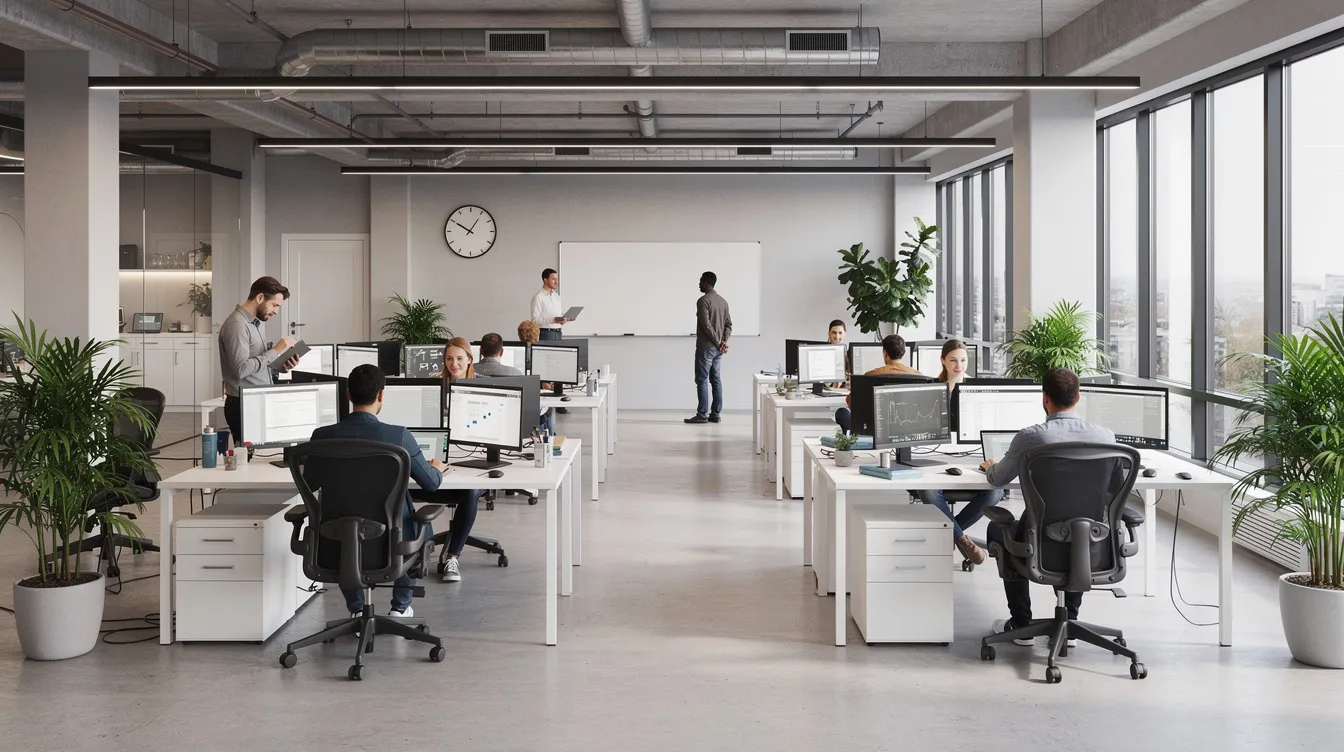
Tech offices and light industrial spaces (labs, assembly floors, data rooms) require specialized office cleaning janitorial services that go beyond standard commercial office cleaning protocols
Protecting sensitive equipment demands trained cleaners who understand ESD risks, proper disinfection methods, and safe use of floor maintenance machines near cables and hardware
Green commercial cleaning with low-VOC products and sustainable supplies has become a baseline expectation for socially responsible tech companies, not just a nice-to-have feature
Proactive commercial cleaning and janitorial services can significantly lower long-term commercial office cleaning cost by preventing damage to carpets, floors, and electronics
Smart scheduling and zoning strategies minimize disruption to 24/7 operations while maintaining the highest standards of workplace cleanliness
Why High-Tech Workspaces Need Specialized Office Cleaning Janitorial Services
Tech hubs from Vancouver to Toronto to Silicon Valley present cleaning challenges that standard services simply weren’t designed to handle.
Between open floor plans with hot-desking, server rooms humming around the clock, and electronics-heavy labs where a single static discharge can destroy thousands of dollars in prototypes, these environments demand a fundamentally different approach.
Standard commercial cleaning and janitorial services evolved for traditional offices—cubicles, carpet, and standard desks. Modern tech firms operate differently.
A single building might contain collaboration spaces, demo theatres, micro-warehouses for hardware inventory, R&D labs with clean room requirements, and podcast studios with delicate audio gear. Each zone has distinct cleaning needs, risk factors, and schedules that must be coordinated without causing Cleaning Business Disruption.
The most effective cleaning services for tech environments must consider workplace cleanliness alongside data security, equipment safety, and the flexible hours that tech teams require. This means coordinating commercial office cleaning services, carpet cleaning, floor services, parking lot upkeep, and window cleaning into a unified program that protects both hardware and productivity.
What follows are five best practices that separate adequate cleaning from the kind of commercial cleaning services that actually support a tech company’s operations, culture, and bottom line.
Best Practice 1: Protect Sensitive Tech Equipment While Cleaning
High-tech workspaces are filled with hardware that demands careful handling: server racks, industrial carpet cleaner robots, 3D printers, test benches, prototype stations, VR setups, and charging docks spread across every floor.
A single misstep—spraying cleaner directly onto a monitor, vacuuming too aggressively near network cables, or creating static discharge near sensitive components—can result in costly damage and downtime.
Experienced cleaners working in tech environments should follow clear protocols for janitor work around equipment. This includes never spraying cleaning fluid directly onto keyboards or monitors (always mist onto microfiber cloths first), avoiding strain on cables when moving furniture or equipment, and using HEPA-filtered vacuums near server room thresholds to prevent dust circulation into critical infrastructure.
Understanding how to disinfect an office chair in shared workstations matters more than ever in 2024-era tech offices. Gaming chairs, ergonomic setups, and hot-desk stations require attention to armrests, headrests, and seat surfaces using disinfectants compatible with leather, mesh, and plastic materials. UV-C or mild alcohol-based disinfectants work well where material compatibility permits.
The partner you choose should train their team on ESD (electrostatic discharge) risks. Even imperceptible static discharge can damage PCBs, memory modules, and sensors. ESD control requires dissipative or anti-static tools, grounded personnel, appropriate humidity levels, and careful selection of floor maintenance machines that won’t generate static near rack bases and cables.
Using low-moisture carpet cleaning solutions in areas with raised floors and underfloor cabling
Scheduling cleaning around power bars and docking stations without disconnecting equipment
Coordinating with IT to access server rooms during maintenance windows
Safe Commercial Carpet Cleaning Services for Tech Offices and Labs
Carpets in open-plan tech offices accumulate dust from equipment fans, cardboard from daily deliveries, and debris from high foot traffic in ways that traditional offices don’t experience. This makes commercial carpet cleaning services a recurring priority, but the methods must account for what’s underneath and around the carpet.
Office carpet cleaning methods like encapsulation and low-moisture techniques reduce risk to underfloor wiring and network cabling. Unlike traditional hot water extraction, these approaches leave carpets dry within hours rather than days, minimizing moisture exposure to sensitive infrastructure below raised floor tiles.
Professional carpet cleaning tailored to tech environments should address the unique needs of demo rooms, client theatres, and podcast studios. These spaces often feature acoustic carpet tiles that require gentler treatment and specialized stain removal for coffee, marker ink, and adhesive residues from event setups.
For companies prioritizing green commercial cleaning services, green carpet cleaning formulas avoid harsh chemical residues that can off-gas near electronics or irritate employees working long hours in enclosed spaces. Modern plant-based and enzyme-based cleaning solutions handle most office soils effectively without the downsides of traditional petroleum-based products.
Industrial carpet cleaner machines selected for tech environments should prioritize low noise levels and quick drying times. In 24/7 tech operations, the goal is to complete carpet cleaning during off-peak hours without creating wet conditions that persist into the next shift or generate noise that disrupts ongoing support desk operations.
Best Practice 2: Build a Clean-Green Strategy that Matches Tech Culture
Sustainable cleaning has shifted from a differentiator to a baseline expectation. By 2026, roughly 52.7% of the professional cleaning market is projected to consist of sustainable and green products, with the green cleaning market value reaching approximately US$109.7 billion.
Tech companies—especially those with ESG commitments, B Corp certification goals, or socially responsible companies’ reporting requirements—now expect their cleaning partners to lead with sustainability.
What does green commercial cleaning actually mean in practice?
Green cleaning services in tech environments should include specific elements:
Microfibre cloths and mops that reduce chemical and water usage
Refillable dispensers for hand soap and surface cleaners
Chemical-free or low-toxicity antibacterial soap in washrooms and kitchenettes
Enzyme-based cleaners for organic soils
Biodegradable agents for general surface cleaning
These choices protect developers and hardware teams who spend long hours in enclosed meeting rooms and collaboration pods. Lower VOC levels mean reduced respiratory irritation and fewer allergens, which matters when your team spends 8-12 hours daily in the same indoor environment.
Modern initiatives like "Thank Your Cleaner Day" align cleaning teams with company culture in metropolitan tech centers. Programs through Vancouver building maintenance providers or consolidated building maintenance contracts increasingly include sustainability metrics and recognition programs that help cleaning staff feel like valued partners rather than invisible afterthoughts.
Choosing a Cleaning Supplies Supplier for Sustainable Onsite Cleaning Supplies
Tech companies often prefer on-site cleaning supplies so staff can handle quick spills without waiting for the evening service teams. A knocked-over coffee or dropped smoothie near a prototype station shouldn’t require a help desk ticket—but the cleaning products available for staff use should be consistent with professional standards.
When selecting a Cleaner Cleaning Supplies and Janitorial Supplies partner, evaluate transparency on ingredients, recycling programs for containers, and bulk delivery schedules that avoid peak office hours.
The best suppliers provide documentation on environmental certifications (Green Seal, UL ECOLOGO, EPA Safer Choice) and can demonstrate their own supply chain sustainability practices.
Screen-safe wipes, small carpet cleaning solutions, disposable cloths
Reception/Demo areas
Quick-access surface wipes, glass cleaner
On-site cleaning supplies for specific surfaces should include anti-static wipes for equipment, carpet cleaning solutions for coffee spills and spot treatment, and neutral pH products for linoleum flooring and sealed concrete.
Flammable materials like isopropyl alcohol should be stored in approved cabinets with clear labelling.
Sustainable cleaning is part of broader commercial maintenance, not an optional extra.
The cleaning supplies you stock, the training you provide staff for handling minor spills, and the products your janitorial partner uses all contribute to a unified environmental footprint.
Best Practice 3: Minimize Disruption with Smart Scheduling and Zoning
Tech companies rarely operate on a 9-to-5 schedule. Support desks run around the clock across time zones. Development teams pull late-night sessions during sprint finishes. Data operations never sleep. Hybrid work models mean occupancy fluctuates unpredictably.
A professional cleaning service provider must design office cleaning around these realities rather than forcing tech operations to accommodate cleaning schedules.
Effective scheduling starts with understanding the rhythms of your business.
When are the coding zones empty? When do demo rooms have back-to-back client presentations?
What days see heavy delivery traffic?
A cleaning program that ignores sprint calendars, release nights, and hardware testing windows will inevitably cause Cleaning Business Disruption.
Examples of disruption-aware scheduling include:
After-hours janitorial services in coding zones and quiet focus areas
Weekend deep cleans in labs, demo rooms, and sound studios
Staggered window washing services timed to avoid glare during key demo days
Floor stripping is scheduled for holiday weekends when buildings are largely empty
Biweekly or monthly deep disinfection timed around low-occupancy periods
Zoning provides the framework for intelligent scheduling. Group areas by cleaning intensity and frequency requirements: collaboration hubs need daily attention, quiet focus rooms can be cleaned less frequently, but more thoroughly, and fabrication corners require specialized protocols. Each zone gets a cleaning cadence matched to its use patterns and risk profile.
This flexible approach mirrors what tech companies expect from any service provider—responsiveness to their operational reality rather than rigid adherence to standard schedules.
Coordinating Specialized Services: Windows, Floors, and Parking Areas
High-rise tech offices and campus-like tech parks depend on exterior window cleaning service and professional window washing service to maintain the polished brand image that impresses investors, recruits, and clients. Grimy windows in a company selling cutting-edge technology send the wrong message.
Metropolitan cleaners should schedule window washing services around business milestones. Product launches, board meetings, major client visits, and recruiting events all benefit from pristine windows and facades. Coordinate with your cleaning partner to build these dates into the annual maintenance calendar.
Parking lot cleaning and exterior entrance care matter significantly to hardware and logistics teams. Tech companies receiving frequent deliveries, demo equipment, and returned hardware need clean, well-maintained entry points. Debris, oil stains, and accumulated dirt in parking areas create safety hazards and poor first impressions for visitors.
Floor stripping and waxing require careful timing. These processes create temporary slip hazards and can generate fumes that require ventilation. In mixed-use tech office and warehouse spaces, schedule these services during periods of minimal staff movement and use clear signage and cordoning to prevent accidents.
Communication between facility managers and the commercial cleaning company near them is essential.
Build a shared calendar that captures business milestones, maintenance windows, and cleaning schedules. When everyone operates from the same information, conflicts become rare rather than recurring frustrations.
Best Practice 4: Protect Floors and Carpets in Mixed Office–Industrial Tech Spaces
Many tech firms run light industrial operations—assembly lines, repair benches, robotics testing tracks, packaging areas—right next to traditional office spaces. This creates floor care challenges that single-use buildings never face. The same facility might include linoleum in labs, polished concrete in maker spaces, epoxy coatings in fabrication areas, vinyl tile in corridors, and acoustic carpet tiles in offices.
Commercial floor cleaning services for tech environments must handle this diversity without missing a beat. The cleaning team moving through your building should transition seamlessly from aggressive scrubbing on industrial floors to gentle approaches on delicate carpet tiles, using appropriate products and equipment for each surface type.
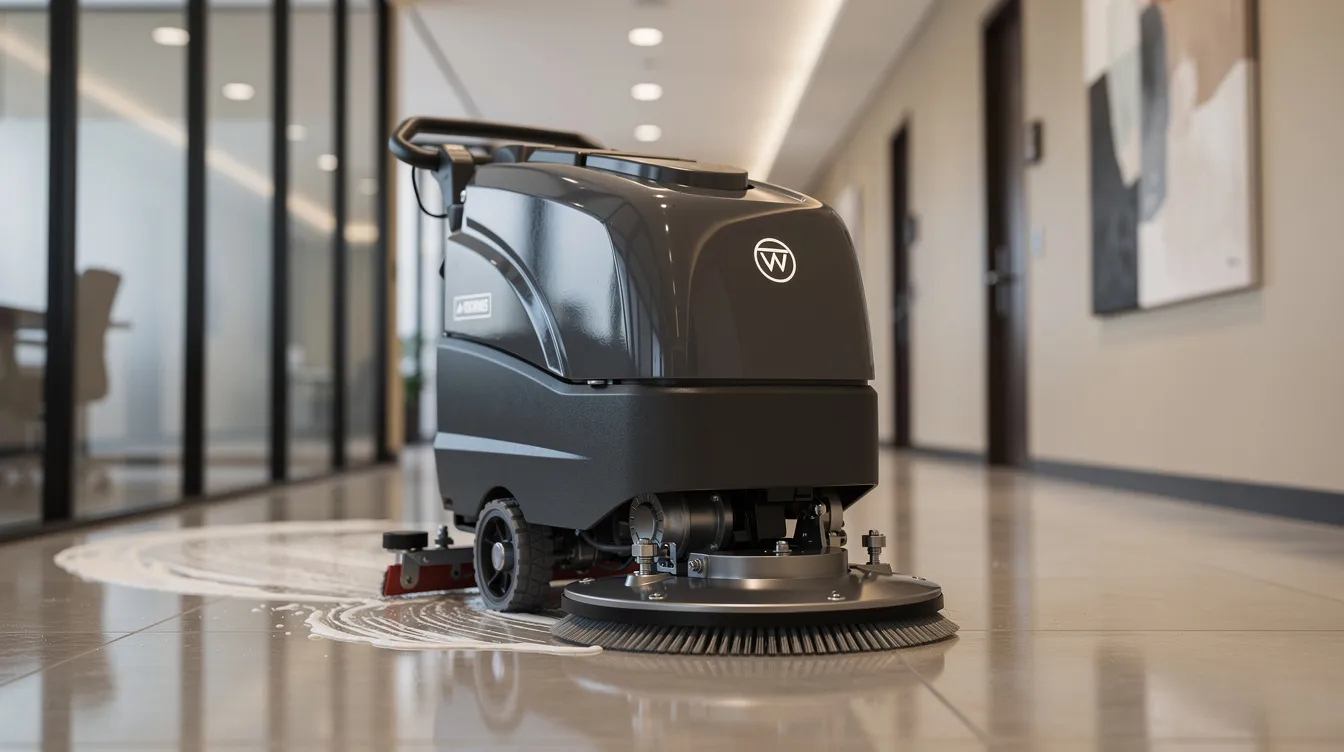
Floor maintenance machine choices matter enormously. Low-noise units work in open offices where staff may be working late. High-productivity ride-on machines tackle large light industrial bays efficiently. All equipment should be ESD-compatible where relevant, and operators must know to avoid dragging hoses or carts over exposed cabling and sensors.
Scheduled floor stripping and waxing with high-quality floor wax keeps demo labs, hallways to boardrooms, and product-showcase spaces looking cutting-edge. Tech companies invest heavily in their physical environments to project innovation—deteriorating floors undermine that investment. Regular maintenance prevents finish breakdown and maintains the aesthetic that supports your brand.
Carpet Care Strategies and Carpet Wash Price Considerations
Tech offices frequently choose plush carpets or acoustic carpet tiles for sound control in open floor plans. This makes Commercial Carpet Cleaning Services a recurring need—but understanding what drives carpet wash price helps budget effectively and avoid surprises.
Factors influencing commercial office cleaning cost for carpet care include:
Factor
Impact on Price
Square footage
Base pricing typically $0.20-$0.35/sq ft
Degree of soiling
Heavy soils from food, bikes, pets push above standard rates
Furniture moving
Additional labour if desks and equipment must be relocated
Stain treatment
Specialized spot removal adds cost
Frequency
Recurring contracts often receive discounted rates
Carpet type
Acoustic tiles vs. plush wool vs. low-pile nylon affect approach
Regular commercial carpet cleaning with green products extends carpet life, improves indoor air quality, and keeps brainstorming zones and huddle rooms fresh. The investment in proactive maintenance pays dividends through deferred replacement costs and better employee experience.
Knowing when to deploy an industrial carpet cleaner versus targeted carpet cleaning services depends on the area. Server-adjacent corridors and media labs may need gentler low-moisture approaches, while high-traffic lobbies and cafeterias can handle more aggressive extraction methods.
Proactive carpet restoration programs, like those offered by professional cleaning industry leaders, can be integrated into broader building maintenance or consolidated building maintenance contracts. This bundled approach often provides better economics and ensures consistent quality across all floor surfaces.
Best Practice 5: Standardize Health, Hygiene, and Disinfection Protocols
Post-2020 expectations for workplace hygiene have permanently elevated standards, especially in high-density tech offices with hot desks, shared meeting rooms, and mixed on-site/remote teams. Employees and visitors expect visible evidence that health and safety are priorities, not afterthoughts.
Janitorial and industrial cleaning agency partners should establish clear workplace cleanliness standards that address multiple levels of cleaning intensity:
Daily disinfection of high-touch surfaces (door handles, elevator buttons, shared equipment)
Regular cleaning of general office areas (3-5 days per week, depending on occupancy)
Weekly deep disinfection of conference rooms, phone booths, and collaboration spaces
Event-specific protocols for post-hackathon cleanup, holiday party clean-up, or after major client visits
Quarterly or biannual deep cleans covering storage rooms, equipment cages, and under-desk cable areas
The best way to disinfect office shared surfaces involves appropriate dwell times—the period a surface must remain wet for the disinfectant to be effective.
Quick wipes don’t kill pathogens; proper technique does. For shared equipment like keyboards, mice, and conference room remotes, follow OEM guidance to avoid degrading finishes while still achieving sanitization.
Antibacterial soap in washrooms, hand sanitizing stations at key entry points, and clear signage encouraging staff to maintain cleanliness all supplement professional cleaning services without replacing them. Touchless dispensers reduce contact points and reinforce a hygiene-conscious culture.
Balancing Deep Cleaning with Data Security and Hardware Safety
Tech companies face a unique tension: thorough commercial cleaning and sanitizing must happen without compromising confidential information or damaging hardware prototypes. Server rooms, R&D labs, and executive areas contain sensitive materials that require careful access controls.
Best practices for secure cleaning include:
NDAs or confidentiality agreements for all cleaning staff accessing sensitive areas
No photography policies are enforced and communicated clearly
Clear zone designations where cleaners must not open cabinets, drawers, or equipment enclosures
Coordination with IT to schedule cleaning around live equipment maintenance
Background checks for staff working in data center or R&D environments
Commercial office cleaning services that work in data-center environments typically include procedures for working safely around live equipment. These “mission-critical environment” protocols require trained staff, documented methods, and clear accountability.
Janitorial service in Vancouver, Toronto, and other major tech cities increasingly includes training on secure R&D and data room cleaning. The cleaning partner understands that their work happens within a broader security framework—not in isolation from it.
The key is collaboration between cleaning services and security/IT teams. Rather than treating cleaning as a potential security risk to be minimized, integrate the cleaning partner into your security protocols.
Share schedules, establish clear communication channels, and build trust through consistent, reliable service.
How to Choose the Best Commercial Cleaning Company for High-Tech Workspaces
Not every commercial cleaning company is prepared for the specific needs of tech offices, maker spaces, or light industrial tech environments. The company that does an excellent job in conventional office buildings may struggle with ESD requirements, security protocols, and the scheduling flexibility that tech operations demand.
Key questions to ask any Cleaning Service Provider or Commercial Cleaners before contracting:
Category
Questions to Ask
Experience
Have you worked with other tech firms? Can you provide references from similar environments?
Training
How do you train staff on electronics safety and ESD protocols?
Sustainability
What green commercial cleaning products do you use? What certifications do they hold?
Security
What’s your policy on background checks, NDAs, and photography in secure areas?
Insurance
What coverage do you carry for equipment damage or data-related incidents?
Flexibility
Can you accommodate after-hours cleaning and schedule around our business calendar?
The best commercial cleaning company for a high-tech tenant may already be working in nearby buildings. Search for a commercial cleaning company near me with strong reviews from other tech businesses, and ask specifically about their experience with environments similar to yours.
Evaluate commercial office cleaning cost over time rather than just comparing initial quotes. Consider asset life extension, reduced downtime from cleaning-related equipment failures, and the productivity value of a clean, healthy work environment. The lowest price per square foot often doesn’t represent the best value.
A single accountable contact—a dedicated account manager or site supervisor—makes an enormous difference in service consistency. This parallels the approach used by leading cleaning providers who assign dedicated representatives to each client, ensuring issues get resolved quickly, and the relationship deepens over time.
Leveraging Building Maintenance Partnerships in Tech Hubs
Many tech firms lease space in multi-tenant buildings where Vancouver building maintenance or other metropolitan building maintenance providers already operate. These existing relationships can provide a foundation for comprehensive cleaning services.
Benefits of consolidated building maintenance include:
Integrated window cleaning services, janitorial supplies management, floor maintenance, and exterior care under a single contract
Simplified vendor management and invoicing
Consistent quality standards across all maintenance activities
Economies of scale that can reduce overall costs
Commercial maintenance partners should understand how needs evolve as companies scale. A startup occupying half a floor has different requirements than the same company three years later with three floors, a maker space, and an on-site cafeteria. The cleaning partner who can grow with you provides continuity and institutional knowledge.
Consider a scenario: a tech firm starts with 5,000 square feet, basic office cleaning, and minimal specialized requirements. Five years later, they occupy 25,000 square feet across three floors, with a hardware lab, demo theatre, and 24/7 support center. Their janitor work requirements have transformed completely.
A long-term partnership with a trusted janitorial company smooths this transition, with the cleaning partner anticipating needs rather than reacting to complaints.
Building this kind of relationship takes investment on both sides, but the operational efficiency and reliable service quality justify the effort.
FAQ
How often should a high-tech office schedule professional cleaning and sanitizing?
Typical frequencies depend on space type and use intensity. Washrooms and kitchens require daily cleaning. General office areas work well with 3-5 days per week service, depending on occupancy levels. High-touch surfaces benefit from weekly or biweekly deep disinfection beyond daily wipe-downs. Quarterly spring cleaning checklist style deep cleans should cover storage rooms, equipment cages, under-desk cable areas, and spaces that don’t receive regular attention.
Hardware labs, repair benches, and maker spaces often need more frequent commercial cleaning and sanitizing due to dust from equipment, solder residue, and packaging debris. Adjust schedules during flu season, product launches, or high-traffic periods when visitors and contractors increase building occupancy.
Can green commercial cleaning products really handle industrial and lab messes?
Modern green commercial cleaning solutions and chemical-free or low-tox formulas meet rigorous performance standards and handle most office and light industrial soils effectively. Plant-based, enzyme-based, and biodegradable cleaners have improved dramatically in recent years.
In rare cases where specialized solvents are needed—certain adhesives, specific oils, or unusual residues—those products can be used in a controlled manner while the rest of the program remains clean with a green focus. Many tech firms choose professional green cleaning services to align with sustainability commitments without sacrificing performance on the tasks that matter.
How can we prevent cleaning work from interrupting our developers and support teams?
Flexible scheduling forms the foundation. After-hours work, weekend deep cleans, and intelligent zoning keep noise and movement away from busy teams and live support areas. Share your sprint calendars and major release dates with the janitorial company so deep cleaning and noisy floor maintenance machines are scheduled outside critical windows.
Experienced cleaners can work quietly in certain zones—wiping down kitchen areas, restocking supplies, cleaning private offices—while leaving heads-down coding areas for later passes. Clear communication about which zones are occupied and which are available makes this coordination seamless.
What should be included in an on-site cleaning supplies station for a tech office?
Practical items include screen-safe wipes, keyboard cleaner (compressed air or safe sprays), neutral pH surface cleaner, spill kits for coffee and soft drinks, small carpet cleaning solutions for spot treatment, and disposable cloths. Anti-static wipes near IT equipment and glass cleaner for meeting room whiteboards round out the basics.
Organize supplies to be accessible without cluttering open-plan spaces: labelled cupboards in kitchen areas, locked caddies in IT storage rooms, and small kits in meeting-room cabinets. A Cleaning Supplies Supplier or janitorial partner can restock and track Onsite Cleaning Supplies as part of the ongoing service contract.
Do we need different cleaning protocols for hybrid or hot-desk work models?
Hot-desking increases the importance of wiping down desks, chairs, and peripherals between users, making consistent disinfection a higher daily priority. Unlike assigned seating, where one person’s germs stay at one desk, hot-desking creates shared contact surfaces that multiple people touch daily.
Office cleaning service providers should focus on desk surfaces, keyboards, mice, and shared equipment at the end of each day in hot-desk areas. Clear signage with simple instructions helps staff support janitorial services—wiping down their workspace before leaving—without taking on full cleaning responsibilities that belong to trained professionals.
Find a Trusted Provider
Metropolitan has been serving the Lower Mainland for over 40 years and has kept our clients for a minimum of 15 years.
Professional window cleaners provide comprehensive window cleaning and power washing services designed to maintain the pristine condition of commercial properties. Their expertise, combined with the necessary equipment and safety protocols, ensures a high-quality job that meets client expectations.
Additionally, professional window cleaners understand the importance of using the right cleaning solution and techniques to protect delicate glass and surrounding materials, ensuring that every job is completed with precision and care.
Understanding Window Cleaning and Power Washing Services
What Are Window Cleaning and Power Washing Services?
Window cleaning and power washing services encompass a range of cleaning solutions aimed at maintaining both the windows and exterior surfaces of commercial buildings. These services include cleaning exterior window glass, interior windows, outdoor window surfaces, gutters, siding, decks, and other outdoor spaces.
The combination of window cleaning and pressure washing provides a holistic approach to property maintenance, addressing both the visual and structural aspects of a building’s exterior.
Differences Between Window Cleaning and Power Washing
Window cleaning primarily focuses on glass surfaces, ensuring clean glass and clear views, while power washing targets exterior surfaces like siding, concrete, and decks to remove dirt, grime, and buildup.
Power washing utilizes high-pressure water, sometimes heated, to break down and remove stubborn dirt and stains that accumulate on outdoor spaces. Window cleaning, on the other hand, involves a detailed window cleaning process that includes scrubbing, rinsing, and wiping to achieve a streak-free finish on all the windows, including hard-to-reach windows.
Importance of Regular Maintenance
Regular window cleaning and power washing prevent the accumulation of dirt and biological growth that can degrade building materials, leading to costly repairs if left untreated.
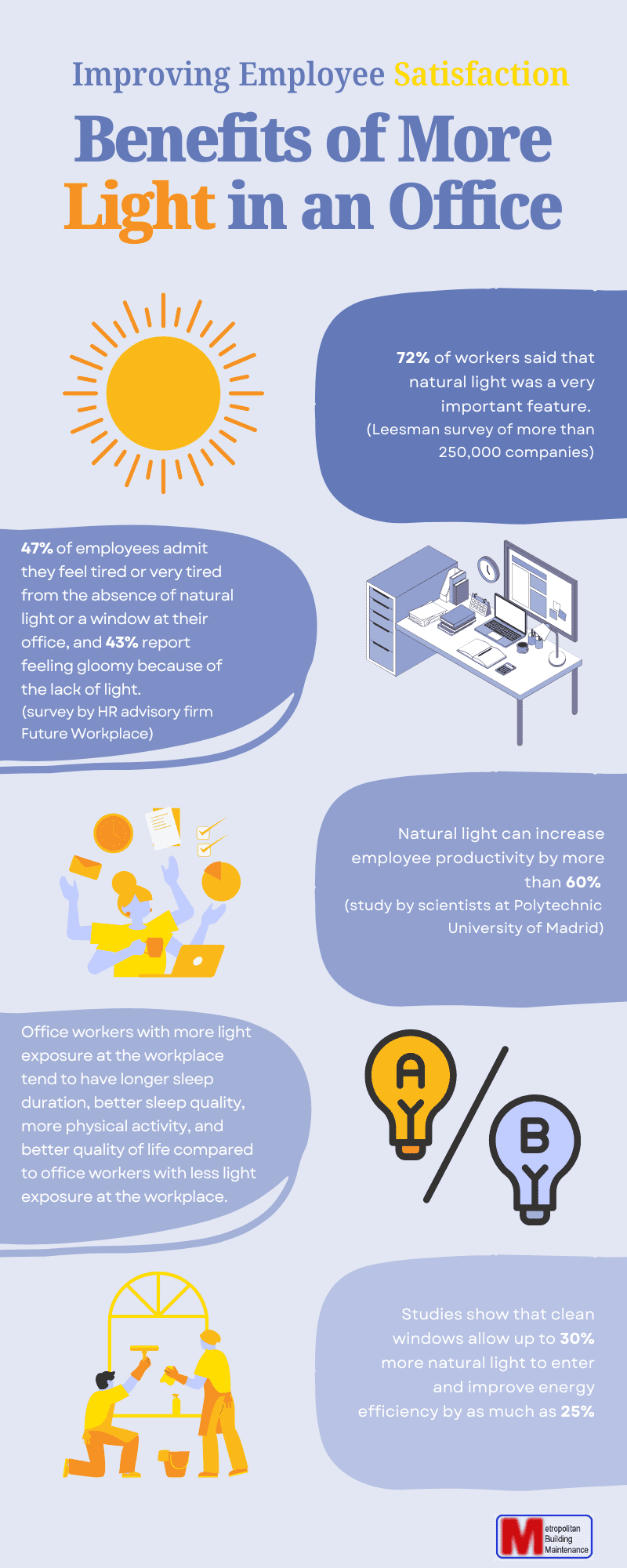
Consistent cleaning helps maintain clean water runoff, prevents damage to gutters and siding, and keeps outdoor window surfaces free from grime and buildup. For businesses, maintaining a clean exterior can also enhance brand image and customer confidence and increased light in offices actually leads to increased productivity.
The Role of Professional Window Cleaners
Training and Expertise
Professional window cleaners are trained to handle a variety of surfaces and use the appropriate cleaning solutions and equipment safely and effectively.
Their knowledge includes understanding how to remove loose dirt, stubborn dirt, bird droppings, and other contaminants without damaging the glass or surrounding materials. They are also skilled in working at heights and using safety equipment to access all windows safely.
Use of Necessary Equipment
The necessary equipment includes ladders, water-fed poles, squeegees, brushes, hoses, buckets, and safety harnesses to reach all windows, including hard-to-reach windows.
Water-fed pole systems are particularly effective for outdoor window cleaning, using deionized water to prevent water spots and deliver a streak-free finish. Pressure washers with adjustable PSI settings are used for power washing exterior surfaces without causing damage.
Commitment to Safety
Safety is paramount, with professionals following strict protocols to protect themselves, clients, and property during the window cleaning process. This includes the use of fall protection gear, ladder safety measures, and careful handling of cleaning solutions to avoid spills or damage to furniture and outdoor spaces.
The Professional Window Cleaning Service Process
Site Assessment and Planning
A thorough site assessment helps determine the scope of work, including all the windows to be cleaned, access challenges, and the best cleaning solutions to use. This stage also involves identifying any special requirements for the building, such as delicate glass types or sensitive exterior materials.
Selection of Cleaning Solution
Choosing the right cleaning solution is critical; eco-friendly and biodegradable solutions that effectively remove loose dirt, stubborn dirt, bird droppings, and grime are preferred.
Many professional window cleaning services avoid harsh chemicals to protect the environment and building materials, opting instead for gentle yet effective cleaning solutions that include dish soap or specialized glass cleaners.
Preparation of the Work Area
Preparation involves protecting furniture, outdoor spaces, and landscaping from dirty water and cleaning solution runoff.
Coverings and barriers may be used to shield decks, plants, and other surfaces from overspray or dripping water during the cleaning process.
Cleaning Exterior Window Surfaces
Exterior window cleaning involves scrubbing with brushes, spraying with cleaning solution, rinsing with clean or deionized water, and wiping with squeegees to achieve a streak-free finish.
Professionals pay close attention to edges and frames where debris and buildup tend to accumulate, ensuring a thorough clean.
Cleaning Interior Windows
Interior windows are cleaned using similar techniques but with more care to avoid damage to interior furnishings and to ensure a spotless, streak-free finish.
The use of microfiber cloths instead of paper towels helps prevent lint and streaks on interior glass.
Handling Hard-to-Reach Windows
Specialized equipment like water-fed poles and rope access systems is used to clean hard-to-reach windows safely and effectively.
These tools allow window cleaners to reach upper stories without the need for unsafe ladder use, and ensure all windows receive the same high standard of cleaning.
Benefits of Clean Windows and Outdoor Spaces
Enhancing Natural Light and Energy Efficiency
Clean glass allows more direct sunlight into the building, improving energy efficiency and occupant comfort. Increased natural light reduces the need for artificial lighting and can positively impact the mood and productivity of employees and customers.
Improving Property Appearance and Value
Well-maintained windows and exterior surfaces enhance curb appeal, potentially increasing property value and attracting tenants or customers. The clear view through spotless windows creates a positive impression and reflects the professionalism of the business.
Outdoor windows are exposed to dust, pollen, rain spots, and pollution, requiring specialized cleaning approaches. Seasonal changes can increase debris buildup, making regular outdoor window cleaning essential.
Managing Debris and Buildup
Professional window cleaners remove dust, dirt, bird droppings, and other debris that accumulate on outside windows. This prevents staining and damage to glass surfaces and maintains a clear view.
Avoiding Water Spots and Streaks
Using deionized water and proper rinsing techniques helps prevent water spots and streaks on glass surfaces. The use of squeegees and microfiber cloths during the drying phase ensures a streak-free finish.
Pressure Washing: A Complementary Service
What Is Pressure Washing?
Pressure washing uses high-pressure water to clean exterior surfaces such as siding, decks, patios, and sidewalks. It effectively removes stubborn dirt, grease, and mildew that cannot be removed through standard washing.
Hot Water vs. Cold Water Pressure Washing
Hot water pressure washing is more effective at removing oils and grease, while cold water is suitable for general dirt and grime. The choice depends on the surface being cleaned and the type of buildup present.
Soft Washing for Delicate Surfaces
Soft washing uses low-pressure water with biodegradable detergents to clean delicate surfaces like stucco and EIFS without damage. This method extends the life of exterior finishes while providing thorough cleaning.
Equipment Used in Window Cleaning and Power Washing
Squeegees and Brushes
Squeegees provide a streak-free finish, while brushes help scrub away stubborn dirt and debris. The combination ensures thorough cleaning of glass and frames.
Water-Fed Poles and Ladders
Water-fed poles equipped with deionized water allow cleaning of hard-to-reach windows without ladders, enhancing safety. Ladders are used when necessary, following strict safety protocols.
Safety Harnesses and Fall Protection
For high-rise buildings, harnesses and fall protection systems are essential safety equipment. These tools protect window cleaners while working at heights.
Buckets, Hoses, and Cleaning Solutions
Buckets and hoses facilitate the mixing and application of cleaning solutions during the job. Proper equipment ensures efficient workflow and quality results.
The Cleaning Solutions
Eco-Friendly and Biodegradable Options
Many professional cleaners use environmentally safe cleaning solutions that effectively remove grime without harming plants or pets. These solutions are designed to break down dirt and bird droppings while being gentle on glass and frames.
Use of Dish Soap and Avoidance of Paper Towels
Dish soap can be part of cleaning solutions, but paper towels are avoided due to lint and streaking issues. Microfiber cloths and squeegees are preferred for achieving a streak-free finish.
Importance of Proper Dilution and Application
Correct dilution of cleaning solutions ensures effective cleaning without residue or damage. Professionals carefully measure and mix solutions to optimize performance.
The Cleaning Process Step-by-Step
Pre-Rinse to Remove Loose Dirt and Dust
Rinsing with a hose removes loose dirt and dust, preventing scratches during scrubbing. This step prepares the surface for the cleaning solution.
Application of Cleaning Solution
Cleaning solution is sprayed or applied with brushes to break down grime and bird droppings. The solution is allowed to sit briefly for maximum effectiveness.
Scrubbing and Agitation
Scrubbing with brushes targets stubborn dirt and buildup on glass and frames. This mechanical action helps lift contaminants for easier removal.
Rinsing with Clean or Deionized Water
Rinsing removes all cleaning solution and contaminants, preventing water spots. Deionized water is preferred for its purity and spot-free drying.
Drying and Wiping for a Streak-Free Finish
Using squeegees and microfiber cloths, windows are dried to avoid streaks and ensure clarity. Special attention is given to edges and corners.
Additional Services Offered
Mirror and Glass Partition Cleaning
Cleaning services often include mirrors and interior glass partitions for a complete glass care solution. These surfaces require delicate handling to avoid damage.
Cleaning of Screens, Window Sills, and Tracks
Detailing includes cleaning screens, sills, and tracks to remove dust and debris that can interfere with window operation.
Cleaning of Gutters and Downspouts
Gutter cleaning prevents water damage and supports proper drainage. Regular removal of leaves and debris is essential.
Power Washing of Sidewalks, Decks, and Outdoor Spaces
Power washing removes dirt, mildew, and stains from exterior surfaces, complementing window cleaning. This service enhances the overall appearance of the property.
Scheduling and Frequency Recommendations
Typical Service Frequencies
Most commercial properties benefit from window cleaning 2–4 times per year and power washing annually or quarterly, depending on traffic and environment.
Scheduling can be adjusted to minimize disruption to business operations. Many services offer after-hours or weekend appointments.
Safety Considerations in Window Cleaning and Power Washing
Ladder Safety and Fall Protection
Proper ladder use and fall protection equipment reduce accident risks. Training ensures window cleaners use equipment safely.
Handling Hard-to-Reach Windows Safely
Use of water-fed poles and rope access systems enhances safety for high or difficult windows. These methods reduce the need for risky ladder work.
Protecting Property and Personnel
Precautions include covering furniture and outdoor spaces to prevent damage from dirty water or cleaning solutions. Communication with clients ensures awareness of the cleaning process.
Environmental and Health Benefits
Use of Biodegradable Cleaning Solutions
Eco-friendly products reduce environmental impact and promote sustainability. They also minimize chemical exposure for workers and occupants.
Reducing Chemical Exposure
Safe cleaning methods protect workers and building occupants from harmful substances.
Preventing Mould and Mildew Growth
Regular cleaning reduces mould risks on windows and exterior surfaces, contributing to healthier indoor and outdoor environments.
Common Myths and Misconceptions
Myth: Pressure Washing Always Damages Surfaces
Properly calibrated pressure washing is safe for most surfaces when performed by professionals.
Myth: Rain Cleans Windows Naturally
Rain can leave mineral deposits and dirt, making professional cleaning necessary to maintain clean glass.
Myth: DIY Cleaning Is Just as Effective
Professional services use specialized equipment and solutions for superior results and a guaranteed streak-free finish.
How to Choose a Professional Window Cleaning Service
Checking Credentials and Insurance
Ensure the company is licensed and insured to protect your business.
Asking for References and Reviews
Client feedback helps assess reliability and service quality.
Evaluating Equipment and Techniques
Modern equipment and eco-friendly solutions are indicators of a professional window cleaning service.
Understanding Pricing and Guarantees
Clear pricing and satisfaction guarantees provide peace of mind.
Frequently Asked Questions
How often should I schedule window cleaning and power washing?
Frequency depends on location, building type, and environmental factors but generally ranges from 2–4 times per year for window cleaning.
Can pressure washing damage siding or windows?
When performed by professionals using correct pressure settings, damage is unlikely.
Are cleaning solutions safe for the environment?
Many services use biodegradable and eco-friendly solutions.
What safety measures do window cleaners take?
Use of harnesses, fall protection, and proper equipment ensures safety.
The Value of Professional Window Cleaning and Power Washing Services
Regular window cleaning and power washing services are essential for maintaining clean windows, clear glass, and attractive outdoor spaces.
By finding a company that uses the right cleaning solutions, techniques, and equipment, professional window cleaners deliver a hassle-free service that enhances the appearance and longevity of commercial buildings, providing a streak-free finish and clear view for all clients.
Find a Trusted Provider
Metropolitan has been serving the Lower Mainland for over 40 years and has kept our clients for a minimum of 15 years.
A building’s reputation is formed long before anyone speaks to property management.
It’s shaped in the lobby when a client walks in for a meeting. It’s reinforced in the washroom an employee uses every day. It’s judged by a prospective tenant touring the property. And it’s evaluated by owners looking at long-term asset value.
When cleaning is done well, it goes unnoticed. When it’s done poorly, it becomes the building’s defining feature.
The Foundation of a Professional Building
General cleaning is the most visible and most frequently experienced part of a building’s maintenance program. It shapes how tenants feel about their workplace every single day and how clients and visitors perceive the businesses operating inside the building.
When washrooms are consistently clean and well-stocked, employees feel that management cares about their comfort and well-being. When offices, lobbies, hallways, and common areas are tidy, dust-free, and freshly vacuumed, tenants experience a sense of professionalism and order.
Visiting clients associate that cleanliness with the quality of the business they are visiting, while prospective tenants touring the building form an immediate impression of how well the property is managed.
For building owners, consistent commercial office cleaning protects the long-term condition of interior finishes and helps preserve asset value.
Windows are one of the first things people notice before they ever step inside a building. Exterior glass shapes curb appeal and sets expectations, while interior windows influence how bright, open, and professional a space feels.
When clients arrive for meetings and see clear, streak-free windows, the building immediately feels modern and well cared for. When tenants work in naturally lit offices with clean glass, their environment feels more comfortable and more productive.
Prospective tenants touring the property associate clean windows with strong ownership and attention to detail.
Professional window cleaning services quietly elevate the entire image of a property.
They improve street presence, enhance interior brightness, and communicate pride of ownership. For building managers, they support leasing efforts. For owners, they strengthen the building’s long-term positioning in a competitive market.
Comfort, Health, and Workplace Perception
Carpets play a major role in how a building feels underfoot and how it smells when people walk through the door. Stained, worn, or odour-holding carpets can make even a well-designed space feel tired and neglected. Clean carpets, on the other hand, create a sense of comfort, freshness, and professionalism.
For employees, regularly scheduled office carpet cleaning improves indoor air quality and creates a healthier work environment. For visiting clients, clean carpets reinforce the impression that they are dealing with an organized, high-quality business. For building owners, professional commercial carpet cleaning services protect a major capital investment and extend the lifespan of flooring.
Over time, proper carpet maintenance reduces replacement costs, improves tenant satisfaction, and contributes to a cleaner, more inviting building atmosphere — all of which support a stronger reputation for the property as a whole.
A Direct Reflection of Building Standards
Floors are one of the most heavily used surfaces in any commercial building, and they are one of the clearest visual indicators of how well a property is maintained. Dull, scuffed, or worn floors suggest neglect.
Clean, polished floors communicate quality and professionalism.
When tenants walk into a lobby each morning and see polished, well-maintained surfaces, it reinforces confidence in building management. When visitors arrive and walk across clean, shining floors, they perceive the property as premium and well cared for. For owners, a proper strip and wax program protects linoleum flooring and other hard surfaces, preserving both appearance and long-term value.
The reliability of a building’s janitorial supplies often goes unnoticed — until something runs out.
When employees walk into a washroom and find empty soap dispensers or missing paper products, frustration builds quickly. When clients encounter poorly stocked or untidy washrooms, it reflects poorly on both the tenant and the building. When property managers receive repeated service calls about supplies, it becomes an operational distraction.
Reliable on-site cleaning supplies that are professionally managed ensure that washrooms, kitchens, and common areas function smoothly every day. For tenants, it creates a sense of dependability. For visitors, it reinforces professionalism. For building managers, it reduces service interruptions and strengthens operational efficiency.
These small details quietly shape how people feel about the building — and whether they trust the management behind it.
Modern Expectations for Modern Buildings
Today’s tenants and building owners increasingly expect their workplaces to support health, wellness, and environmental responsibility. Green commercial cleaning services reflect a modern standard of care that goes beyond appearance alone.
Employees notice when there are no harsh chemical odours in the air. Health-conscious tenants appreciate chemical-free programs and the use of green cleaners that protect indoor air quality. Owners and investors see sustainable cleaning practices as part of a broader ESG strategy that strengthens long-term asset positioning.
It supports tenant well-being, strengthens leasing appeal, and reinforces the building’s reputation as a healthy, future-ready workplace.
Supporting the Full Building Lifecycle
A building’s reputation is shaped not only by daily operations, but also by how smoothly it handles transitions and special projects.
Construction cleanup services ensure that new tenants move into spotless, ready-to-use spaces. Parking lot cleaning maintains safety, accessibility, and curb appeal. Seasonal and post-renovation cleaning ensures the building presents well during inspections, tours, and ownership reviews.
For tenants, these services create seamless move-ins and minimal disruption. For contractors and project teams, they support efficient handovers. For owners, they protect capital investments and maintain a polished image at every stage of the building’s lifecycle.
Clean Buildings Build Strong Reputations
Every day, your building is being evaluated by the people who work there, visit it, invest in it, and manage it.
They form opinions based on the washrooms they use, the floors they walk on, the carpets they work on, and the windows they look through. Each of those experiences shapes how they feel about the building — and by extension, how they feel about the companies and management behind it.
Professional commercial janitorial services ensure that every one of those touchpoints reflects the standards you want your building to represent. Because in commercial real estate, reputation isn’t built in boardrooms.
It’s built in lobbies, hallways, offices, and washrooms — every single day.
When buildings are clean, well-maintained, and professionally managed, tenants notice — and when standards slip, complaints quickly follow. One of the most influential factors in day-to-day tenant experience is the quality and reliability of the janitorial service supporting the building.
Cleanliness affects how tenants feel about their workplace, how they perceive building management, and whether they choose to renew their lease.
Below are ten reasons why dependable janitorial services matter, with practical, property-manager-focused insights built into each section.
1. Fewer Tenant Complaints and Service Requests
Most tenant complaints begin with basic cleanliness issues: dirty floors, dusty surfaces, lingering odours, or washrooms that feel neglected.
These concerns typically reflect inconsistent cleaning rather than major maintenance problems.
A reliable janitorial service focuses on preventative cleaning, addressing issues before tenants feel the need to submit service requests.
Consistency across common areas plays a key role in reducing friction between tenants and management.
Property Manager tip: Look for a janitorial provider that follows documented cleaning checklists and conducts regular inspections. Consistency matters more than occasional deep cleaning when it comes to complaint reduction.
Improper cleaning methods, worn finishes, or residue left on floors can create hazards in high-traffic areas such as lobbies, corridors, elevators, and washrooms.
Professional floor cleaning services, including scheduled floor stripping and waxing, help maintain proper traction while protecting flooring surfaces. This is especially important in buildings with linoleum flooring, which requires specific care to avoid premature wear.
Property Manager Tip: Confirm that your janitorial service understands proper floor care techniques and uses the correct floor wax and equipment for each surface.
3. Predictable Maintenance Instead of Emergency Cleanups
Emergency cleaning requests disrupt schedules and budgets. Stained carpets, odour issues, and deteriorating floors are often the result of deferred maintenance rather than unexpected incidents.
A dependable janitorial service provides scheduled office carpet cleaning and ongoing care that reduces the need for reactive cleanups. Professional commercial carpet cleaning services also help address the common question of how often office carpets should be cleaned.
Reliable janitorial cleaning ensures that lobbies, hallways, meeting rooms, and shared amenities maintain a polished, professional appearance at all times. This supports tenant confidence and improves first impressions for visitors and prospective tenants.
Property manager tip: Schedule periodic walk-throughs with your janitorial service to align expectations and address visual issues proactively.
5. Improved Tenant Comfort and Productivity
Cleanliness affects more than appearance. Dirty carpets and floors can trap dust, allergens, and debris that impact indoor air quality and overall comfort.
Professional carpet cleaning solutions, combined with the proper use of a floor maintenance machine, help create healthier office environments. When tenants are comfortable, productivity improves and satisfaction increases.
Property manager tip: Ensure your janitorial service uses commercial-grade equipment and methods designed specifically for office and multi-tenant buildings.
6. Better Natural Light and Curb Appeal with Clean Windows
Dirty windows reduce natural light and detract from both interior comfort and exterior curb appeal. Over time, neglected windows can develop buildup that becomes difficult to remove.
Routine window washing services, handled by a trained window washer, improve tenant morale and maintain a professional exterior appearance. Working with local window cleaning services also simplifies scheduling and communication.
7. Alignment with Sustainability and ESG Expectations
Many office tenants now expect environmentally responsible practices as part of their workplace. Cleaning programs play a visible role in meeting those expectations.
A janitorial service offering green commercial cleaning services uses chemical-free or low-impact products and green cleaners that reduce harsh odours and improve indoor air quality. Clean-with-green practices also support sustainability and ESG initiatives.
Property manager tip: Ask your janitorial provider which green products are used and where they are applied, particularly in enclosed or high-occupancy areas.
8. Less Disruption to Tenants and Daily Operations
Poorly planned cleaning can interfere with the workday. Loud equipment, inconsistent schedules, or missed tasks create unnecessary frustration for tenants.
A reliable office cleaning service coordinates schedules carefully, uses efficient equipment, and trains staff to work discreetly. This allows floors, carpets, and windows to be maintained without disrupting daily operations.
Property manager tip: Align cleaning schedules with tenant usage patterns rather than default timeframes.
9. Clear Accountability and Easier Vendor Management
Managing multiple cleaning vendors can quickly become time-consuming and inefficient. Missed responsibilities and unclear communication increase follow-ups for property managers.
Working with one dependable, consolidated janitorial service provides clear accountability, consistent staffing, and streamlined communication. This simplifies oversight and reduces administrative workload.
Property manager tip: Choose a provider that assigns a dedicated point of contact and offers regular reporting rather than rotating crews with limited accountability.
10. Long-Term Cost Control and Asset Protection
Quality janitorial services help protect building assets over time. Floors, carpets, and windows that receive regular care last longer and maintain their appearance.
Scheduled floor stripping and waxing, professional carpet maintenance, and routine window cleaning reduce the likelihood of premature replacement and unexpected capital expenses. Reliable building maintenance services deliver measurable long-term value.
Property manager tip: Evaluate janitorial services based on lifecycle cost savings and asset protection, not just monthly pricing.
Reliable Janitorial Service Makes Property Management Easier
For property managers, a dependable janitorial service is more than a vendor — it is an operational partner. Consistent cleaning reduces complaints, protects assets, supports sustainability goals, and improves tenant satisfaction.
Clean, well-maintained buildings operate more smoothly, reflect positively on management, and encourage long-term tenant retention.
Modern commercial cleaning and janitorial services are no longer defined solely by labour and routine.
Today, the industry is increasingly shaped by science, data, and purpose-built technology designed to improve hygiene, extend surface life, reduce environmental impact, and deliver more consistent results across commercial spaces.
From floor maintenance and carpet care to window cleaning and green cleaning systems, technological innovation is transforming how professional cleaning is performed in offices, business parks, and commercial buildings.
Understanding these tools helps property managers and decision-makers see what truly separates modern, high-quality janitorial services from outdated approaches.
Technology Advancing Floor Maintenance and Protection
Commercial floors endure constant foot traffic, rolling equipment, and daily wear. Maintaining appearance and safety—while protecting the underlying surface—requires more than traditional mops and buffers.
Modern Floor Maintenance Challenges
In professional environments, improper care can quickly damage flooring, especially when it comes to linoleum flooring and other resilient surfaces.
Tasks like floor stripping and waxing must be carefully controlled to avoid overuse of chemicals, uneven finishes, or premature surface wear. For this reason, professional floor cleaning services increasingly rely on specialized equipment rather than manual processes.
Floor Maintenance Technologies
Today’s floor maintenance machines are engineered for precision and consistency. Battery-powered and orbital scrubbers allow technicians to safely strip and wax floors with minimal water usage and controlled chemical application.
Variable-speed machines ensure even floor wax distribution, reducing slip hazards and extending finish life.
Technology Leaders
Manufacturers such as Tennant Company, Kärcher, and Nilfisk have introduced intelligent scrubbers, eco-mode systems, and low-moisture solutions that support sustainable floor stripping and waxing while improving productivity and long-term floor protection.
As floors form the foundation of a clean facility, carpets require an equally scientific approach to maintain indoor air quality and professional appearance.
Deep Cleaning Meets Efficiency
Carpeted office spaces act as filters, trapping dust, allergens, and debris deep within the fibres. Without proper care, carpets can negatively impact air quality and wear prematurely.
The Science Behind Carpet Soiling
Routine vacuuming alone cannot remove embedded contaminants. This is why professional office carpet cleaning schedules are critical.
A common question from facility managers is how often should office carpets be cleaned—and the answer depends on traffic levels, building use, and environmental conditions.
Advanced Carpet Cleaning Technologies
Modern commercial carpet cleaners utilize low-moisture encapsulation, heat-controlled extraction, and high-efficiency agitation.
These systems allow commercial carpet cleaning services to clean deeper while reducing drying time, minimising disruption to daily operations.
Industrial-grade equipment used in carpet commercial cleaning also helps extend carpet life by preventing fibre damage caused by over-wetting or improper chemical use.
Technology Leaders
Manufacturers recognized by the Carpet and Rug Institute (CRI), along with companies such as Kärcher and Hydramaster, continue to refine industrial carpet cleaner designs that balance performance, fibre protection, and sustainability.
While floors and carpets influence comfort and air quality, windows play a major role in natural light, aesthetics, and first impressions.
Interior glass partitions, large exterior façades, and coated windows require specialized techniques.
A professional window washer must deliver streak-free results while minimising risk and disruption—especially for multi-storey commercial buildings.
Modern Window Cleaning Technologies
Pure water systems using reverse osmosis and deionization allow window cleaning services to clean glass without detergents, leaving no residue behind.
Water-fed pole systems enable exterior window cleaning from the ground, improving safety and efficiency. In some environments, robotic and magnetic tools support interior glass cleaning where access is limited.
Technology Leaders
Companies like Unger Global and IPC Eagle continue to innovate tools used by professional window washing services, improving safety, access, and consistency for both interior and exterior office glass.
As performance improves across cleaning categories, sustainability has become a defining factor in modern janitorial services.
Green Cleaning Technology
The demand for green commercial cleaning services continues to grow as organisations prioritize occupant health and environmental responsibility.
The Shift Toward Green Commercial Cleaning
Green cleaning is no longer limited to marketing claims. Many facilities now require documented processes that reduce chemical exposure, improve indoor air quality, and support sustainability initiatives.
Green Cleaning Technologies and Practices
Innovations such as chemical-free cleaning systems use ionized or ozone-treated water to disinfect surfaces without traditional chemicals.
Certified green cleaners, closed-loop dilution systems, and advanced microfibre materials reduce waste while maintaining high cleaning standards.
These approaches support a true clean with green philosophy—delivering effective results without unnecessary environmental impact.
Technology Leaders
Organisations such as Tersano, Ecolab, and Diversey have developed systems and products that support green commercial cleaning while meeting the performance demands of professional office and commercial environments.
Beyond equipment and chemicals, technology also plays a role in how cleaning operations are managed day to day.
Smarter Janitorial Supply Management and On-Site Systems
Efficient janitorial cleaning depends on having the right tools available, properly stored, and consistently replenished.
Technology in Janitorial Operations
Modern janitorial programs use digital inventory tracking, smart dispensers, and centralized on-site cleaning supplies to improve accountability and reduce waste.
Manufacturers such as Rubbermaid Commercial Products and Kimberly-Clark Professional provide intelligent dispensing systems and workplace organization solutions that streamline commercial janitorial services across large office and multi-tenant facilities.
When these systems work together, they redefine what quality and reliability look like in professional cleaning.
What This Means for Commercial Cleaning and Janitorial Services
For property managers and facility teams across the Lower Mainland, these technologies are no longer optional—they are becoming the standard for effective, compliant, and sustainable building care.
Technology-driven cleaning delivers measurable benefits: longer surface life, improved hygiene, reduced environmental impact, and more consistent results.
For property managers and business owners, partnering with a commercial cleaning company that invests in modern tools and ongoing training is essential to maintaining high standards.
Professional commercial cleaning and janitorial services now combine equipment, data, and skilled technicians to deliver outcomes that traditional methods simply cannot match.
The Future of Clean Is Intelligent and Sustainable
Modern cleaning is no longer about doing more work—it is about doing the right work with the right tools.
The evolution of commercial cleaning reflects a broader shift toward science-based decision-making and responsible practices.
From advanced floor maintenance machines to green clean cleaning services, modern technology is reshaping how facilities are maintained.
As expectations continue to rise, the most successful commercial cleaning and janitorial services will be those that embrace innovation—delivering cleaner, safer, and more sustainable environments for the workplaces of today and tomorrow.
The Right Commercial Cleaning Partner
Technology delivers results only when it is paired with experienced oversight, trained staff, and consistent quality control.
A professional commercial cleaning and janitorial services provider should understand not just how to use modern equipment, but when and where it delivers the greatest value.